Why Almost Every Mammal Counts Seven Cervical Vertebrae
This creature that looks like a zebra's affair child is the okapi.
The okapi actually belongs to Giraffidae, a family that was once quite prosperous, and it held species with every kind of neck length.
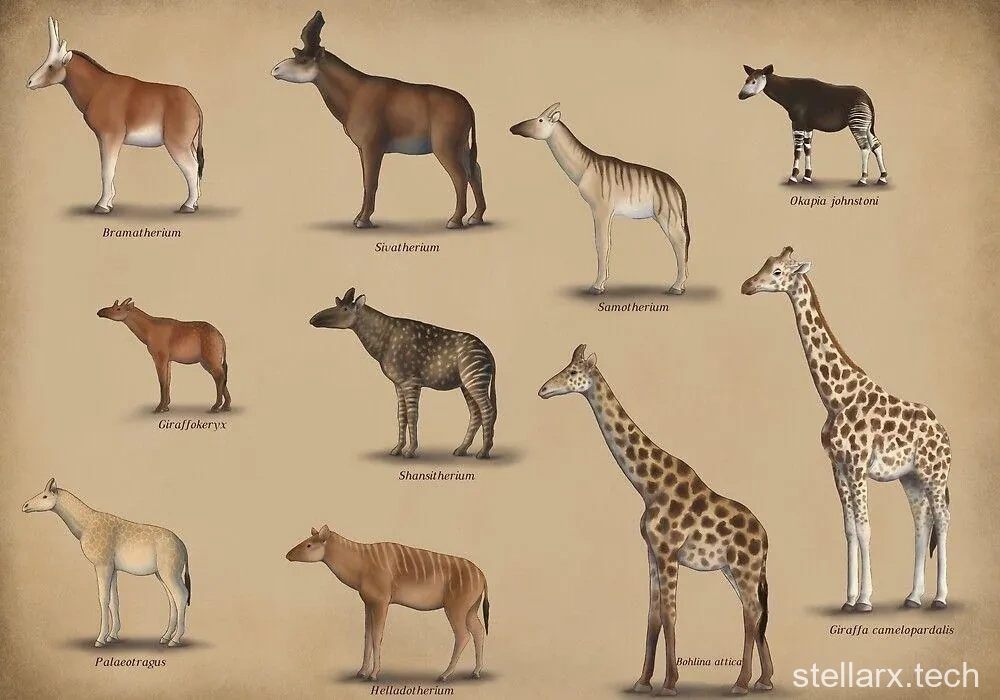
But today only two are left: the absurdly long-necked giraffe, and the ordinary-necked okapi.
Neither of them changed the number of neck bones when the neck changed length. Both necks are built from seven bones, and only seven.
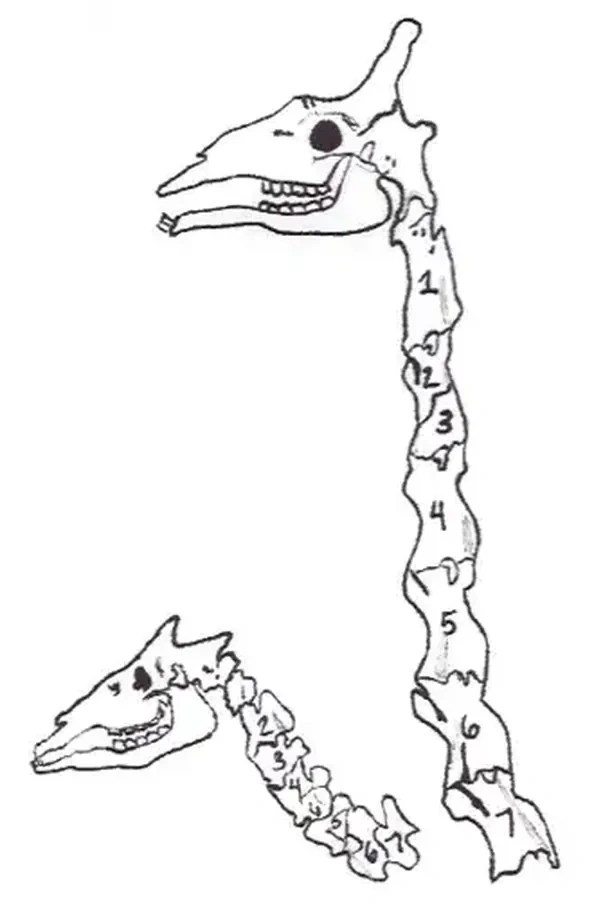
Back around the 18th century, people already knew that the cervical count in mammals is remarkably uniform: seven, no matter where the animal lives or what its neck looks like. Exceptions turned up later.
But it was not until 1999, when molecular developmental biology came of age, that researchers actually understood why mammals carry this limit.
The reason is simple. The genes that set the mammalian cervical pattern are Hox genes. They control the development of the segmented bones along the body axis, and at the same time they run several other systems: the nervous system, the cardiovascular system, cell proliferation.
In other words, once a mutation shifts the number of vertebrae, other systems shift with it, and that usually means serious health trouble. Many embryos never finish developing. Those that are born rarely survive.
So under brutal natural selection, every mammalian mutation that tried to change the cervical count failed to stick.
In humans, some inherited diseases do change the vertebra count. The best known is Klippel-Feil syndrome, or KFS.
[IM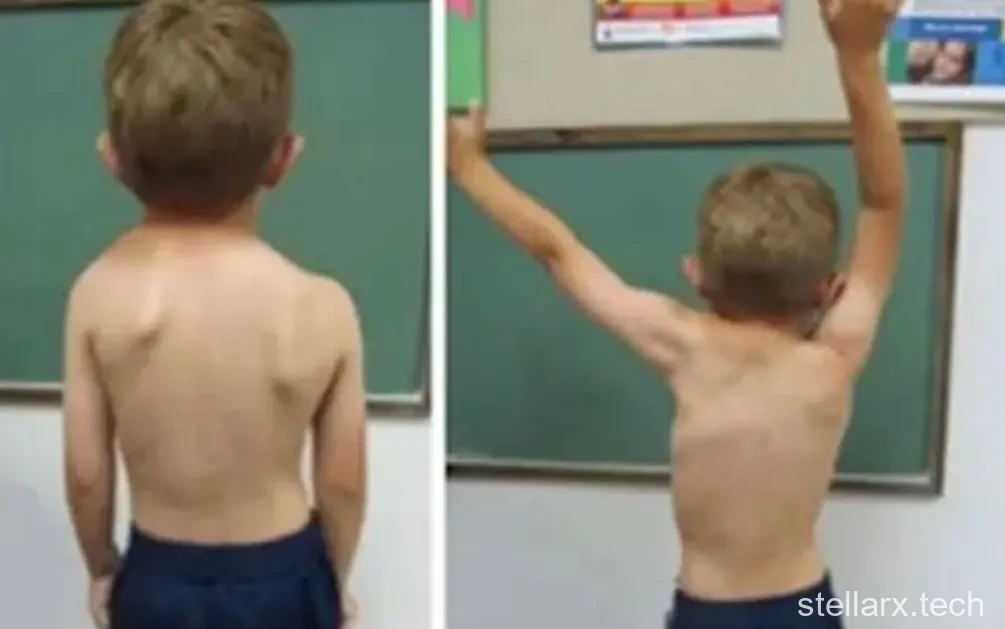
In these patients the cervical vertebrae never separate properly into seven. Two or more of them fuse, and the neck ends up short.
Many of these patients live a fairly normal lifespan, but they carry lifelong problems of varying severity in the nervous system, in the cardiovascular system (30% to 40% of them), and in the urinary system (50%).
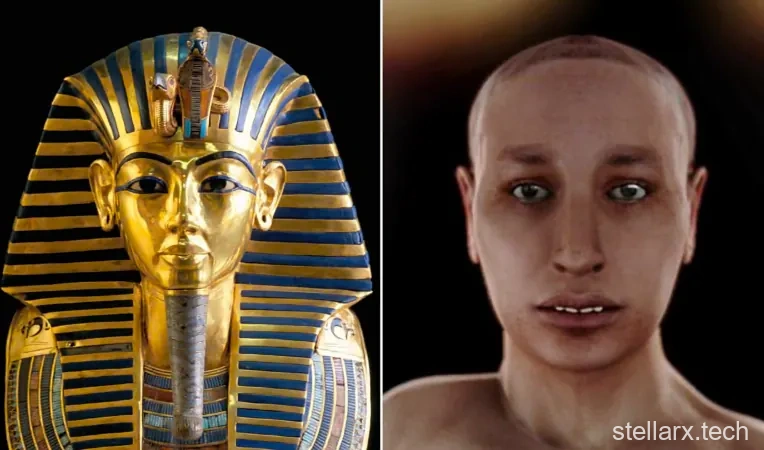
One more thing: some research suggests that Tutankhamun, the pharaoh of Egypt's 18th Dynasty, probably had KFS, likely the result of generations of inbreeding, which would explain his severe health problems.
Counting the extinct ones, only three groups of mammals are known to break the seven-vertebra rule: the manatees, the two-toed sloths, and the three-toed sloths. Manatees have six cervical vertebrae. Two-toed sloths have five or six. Three-toed sloths have eight or nine.
All three share one trait: an extremely low metabolic rate. That is the real reason they can break the spinal limit.
A low metabolic rate means slow cell turnover and little pressure on the cardiovascular system. So when a mutation changed their cervical count, it did not create much of a survival problem, and the mutation stayed.
Among land vertebrates, only mammals are bound by the seven-vertebra rule. Birds, and the other reptiles, are not limited at all. They can carry whatever cervical count they like.
That is why they ended up with such strange, flexible, wildly mismatched necks.
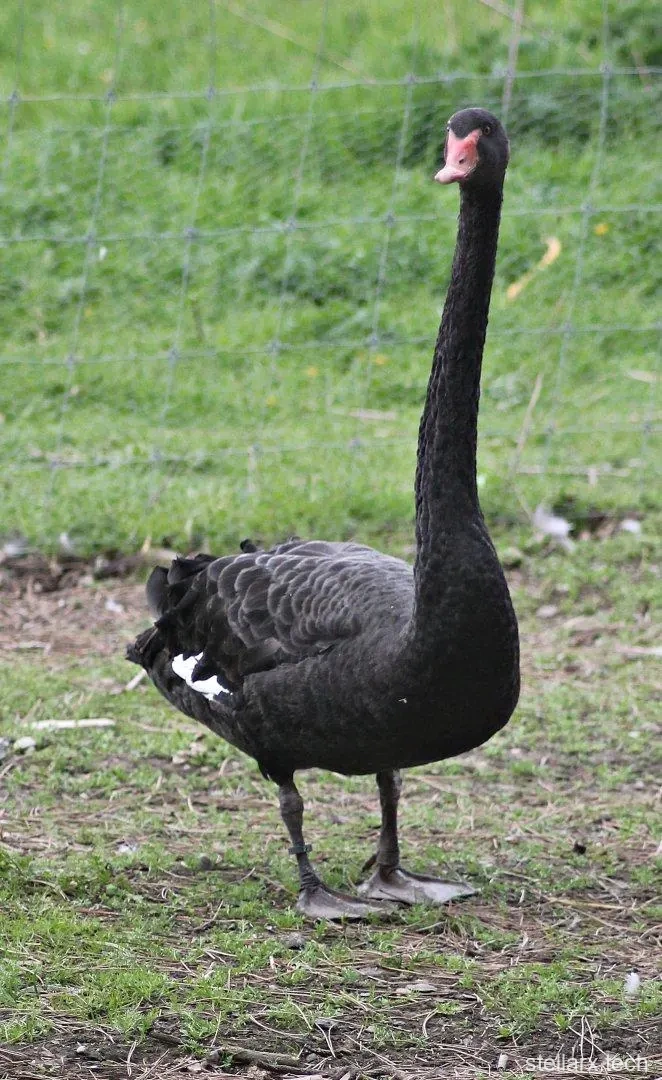
And the reason birds and other reptiles escape the rule is that their Hox genes are highly modular. When their Hox genes change how the axial skeleton is segmented, they usually do not change the other body systems.
So they hold on to cervical mutations far more easily.
More than that: because those Hox genes are so modular, these groups also carry greater evolutionary plasticity. They can adapt to a new niche faster and better.
Want to see what actually sits inside that column of bone? A vertebra is easy to picture once you have seen the tissue it protects: the spinal cord, with its butterfly-shaped gray matter in the middle and the white-matter tracts wrapped around it.
You can look at that right now, without waiting for a microscope to arrive. WWAI carries a Rabbit Spinal Cord specimen where the butterfly-shaped gray matter, the surrounding white-matter fiber bundles and the central canal are clearly visible. Ask the AI tutor what you are looking at, then observe the specimen under a virtual microscope on your phone.
Search WWAI in your app store to download it.

Related reading
Cervical Kyphosis: A Reversed Neck Curve

Woodpecker Concussion Myth: Real Brain Damage

Why Mammals Lost Longevity: A 500-Year Shark

The Chicken's Gizzard: A Dinosaur's Stone Crusher
References
Galis F. Why do almost all mammals have seven cervical vertebrae? Developmental constraints, Hox genes, and cancer. Journal of Experimental Zoology. 1999.
Narita Y, Kuratani S. Evolution of the vertebral formulae in mammals: a perspective on developmental constraints. Journal of Experimental Zoology Part B. 2005.
Varela-Lasheras I, Bakker AJ, van der Mije SD, Metz JAJ, van Wieren SE, Wessels J. Breaking evolutionary and pleiotropic constraints in mammals: on sloths, manatees and homeotic mutations. EvoDevo. 2011.
Tracy MR, Dormans JP, Kusumi K. Klippel-Feil syndrome: clinical features and current understanding of etiology. Clinical Orthopaedics and Related Research. 2004.
Hawass Z, Gad YZ, Ismail S, et al. Ancestry and pathology in King Tutankhamun's family. JAMA. 2010.
- 為什麼哺乳動物都有七塊頸椎?長頸鹿與霍加狓的同一副脖子
- Why Almost Every Mammal Counts Seven Cervical Vertebrae
- 肉雞生長速度翻倍,雞胸肉散成麵條的真相
- Chicken Breast Stringy Raw: Spaghetti Meat Explained
- Inguinal Hernia: A Groin Bulge Mistaken for a Muscle Strain
- 腹股溝疝氣:產後健身鼓起的腫塊,卵巢掉進去了
- Four Days of High-Fat Diet Can Rewrite Skin Immune Memory
- 高脂飲食 4 天,皮膚發炎為何更猛、還記得住?
- 脂肪肝盛行率:中國每10個成人有3個
- Fatty Liver Overtook Hepatitis B: 3 in 10 Chinese Adults

全部评论