Four Days of High-Fat Diet Can Rewrite Skin Immune Memory
Obesity changes immunity in many settings — infection, autoimmunity, cancer. The effect shows up most plainly in the skin: obesity makes skin inflammation worse and changes how treatment works.
Chronic obesity, and the weeks-to-months of obesogenic eating behind it, is known to remodel the skin's immune system. But interventions that long also drag cumulative metabolic, endocrine, microbial and tissue-remodeling shifts across several organ systems. What nobody had tested is narrower: before that systemic remodeling exists, can a dietary change measured in days acutely change a provoked inflammatory response, and leave a long-term tissue inflammatory memory behind?
On 28 October 2026, Zewen Jiang at the University of California, San Francisco published the paper as first author in Nature, under the title Diet at disease onset determines tissue inflammatory memory.
The study shows that diet at the onset of disease decides tissue inflammatory memory. A few days of high-fat diet (HFD), without producing obesity, can durably remodel local immune status, and the consequence is not only a stronger acute pathological response but a long-term change in the local immune response. What drives disease amplification, then, is diet state rather than accumulated fat mass.
Scientists have long known that obesity usually follows long-term obesogenic eating, and that it substantially alters immune function. What the new work shows is that even a brief change in diet significantly affects how the body answers a skin stimulus — in mice, at least.
When the team fed mice a high-fat diet for only a few days, their reaction to a provoking ointment, imiquimod, was markedly worse. And after those mice returned to a low-fat diet and the inflammation faded, their skin stayed on high alert: the next contact with the same cream brought a stronger response still. The results suggest that, for inflammation, a short-term diet may weigh as much as a change in body weight.
The team says long-term eating habits matter enormously for health, but the new study reveals something more immediate about diet. Breakfast, lunch, dinner — every single meal may exert a huge and rapid influence on the immune system.
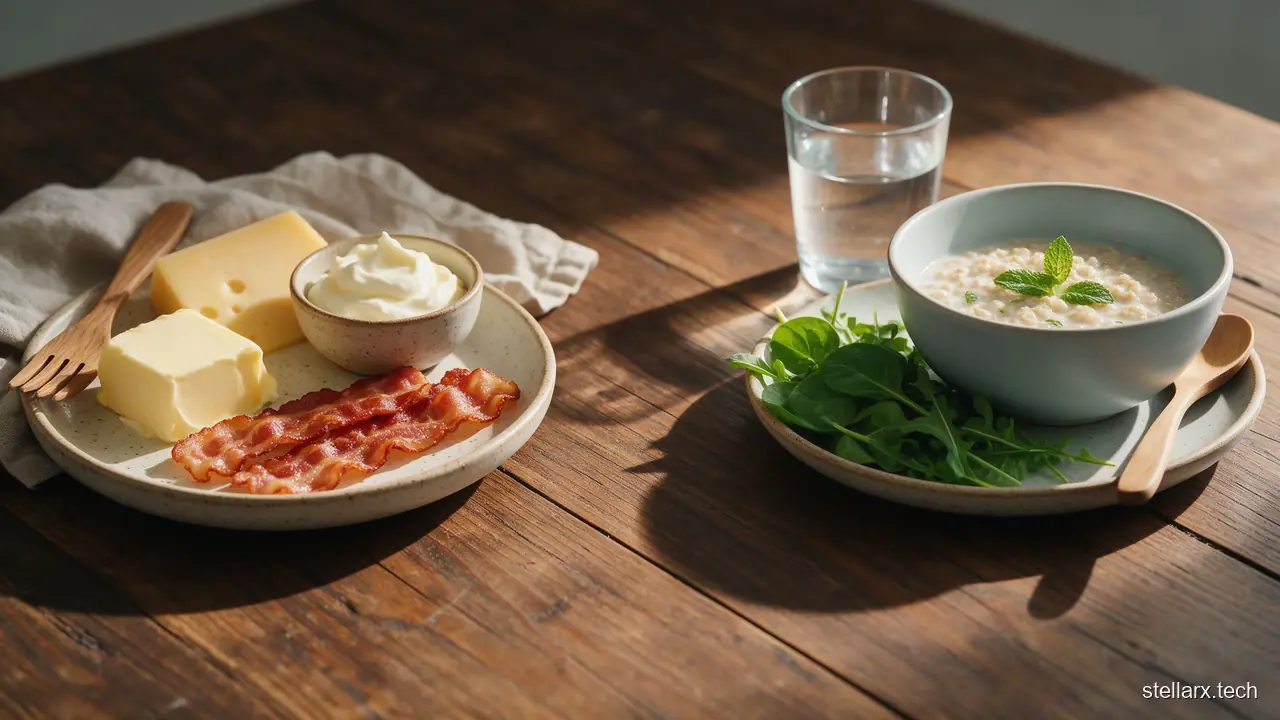
These findings grew out of obesity experiments that Zewen Jiang, the paper's first author, led during his graduate studies. The team first fed mice either low-fat chow or high-fat chow. Then they smeared imiquimod, a cream that provokes skin inflammation, onto one ear of every mouse, and compared the reactions of the low-fat and high-fat groups.
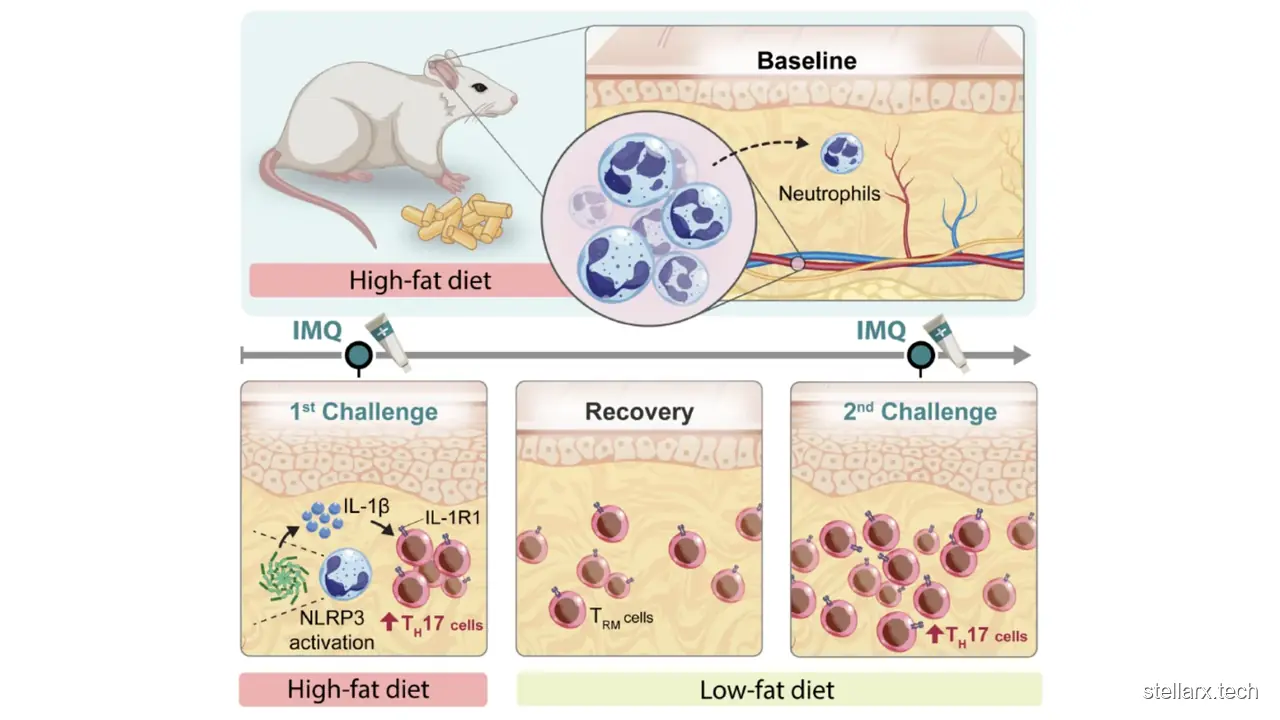
Mice that had eaten high-fat chow long-term, and were obese by then, reacted severely to imiquimod. Mice on low-fat chow reacted only mildly.
Zewen Jiang says that for many years the field has known obesity goes with more severe inflammation. What the team wanted to pin down was whether the weight gain itself, or merely the poor diet, produces the stronger inflammatory response.
So the team tested whether only four days of high-fat diet — not enough to put on weight — could set off an overactive immune response. They switched mice that had been eating low-fat food onto high-fat chow, and three days later painted imiquimod on one ear. The normal-weight mice developed severe ear-skin inflammation, on a par with the obese mice. In the other direction, obese mice switched onto low-fat food for just four days had visibly milder inflammation. Weeks later, after the normal-weight mice were back on low-fat chow and the inflammation had faded, a second dose of imiquimod went onto the same ear that had flared before — and provoked an excessively strong immune response.
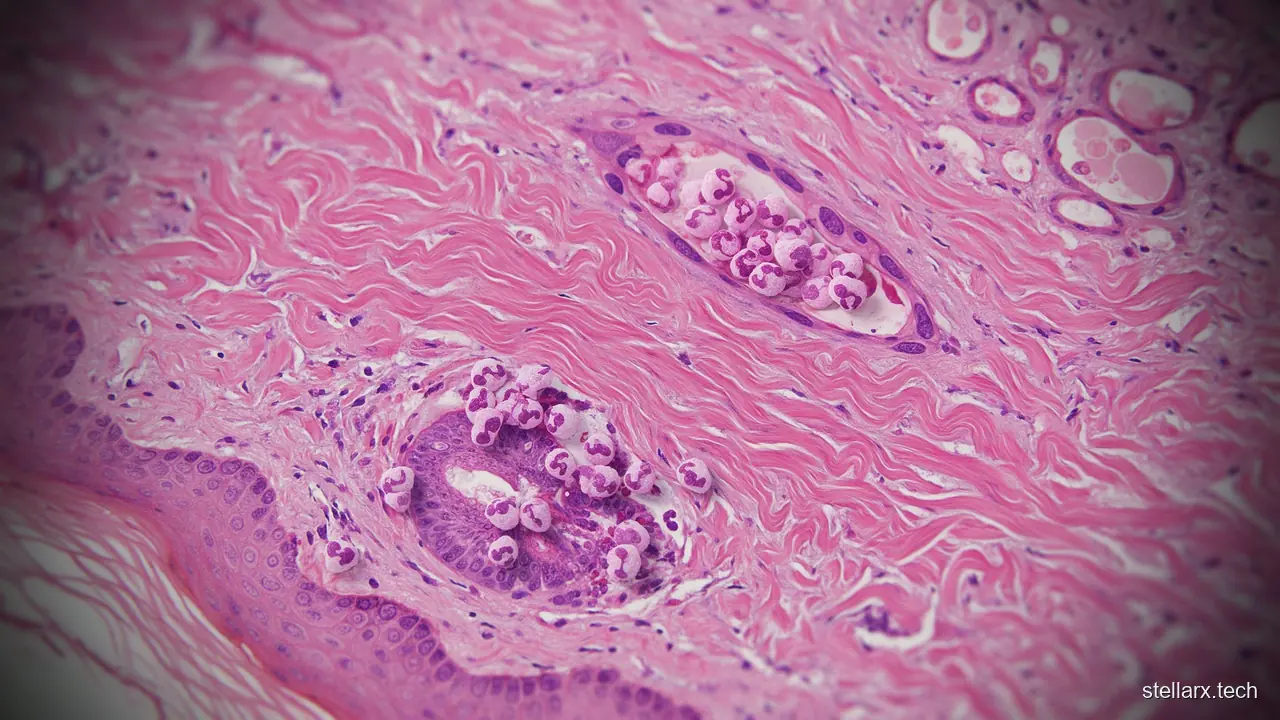
Mechanistically, a high-fat diet rapidly recruits neutrophils, a fast-responding class of immune cell, into the skin, and neutrophils in challenged skin express high levels of Nlrp3 and Il1b. Depleting neutrophils, knocking out Nlrp3, or pharmacologically inhibiting NLRP3 each weakens the HFD-driven amplification. The results trace a neutrophil–NLRP3–IL-1β signaling axis, and that axis licenses pathogenic IL-1R1+ CD4+ TH17 cells.
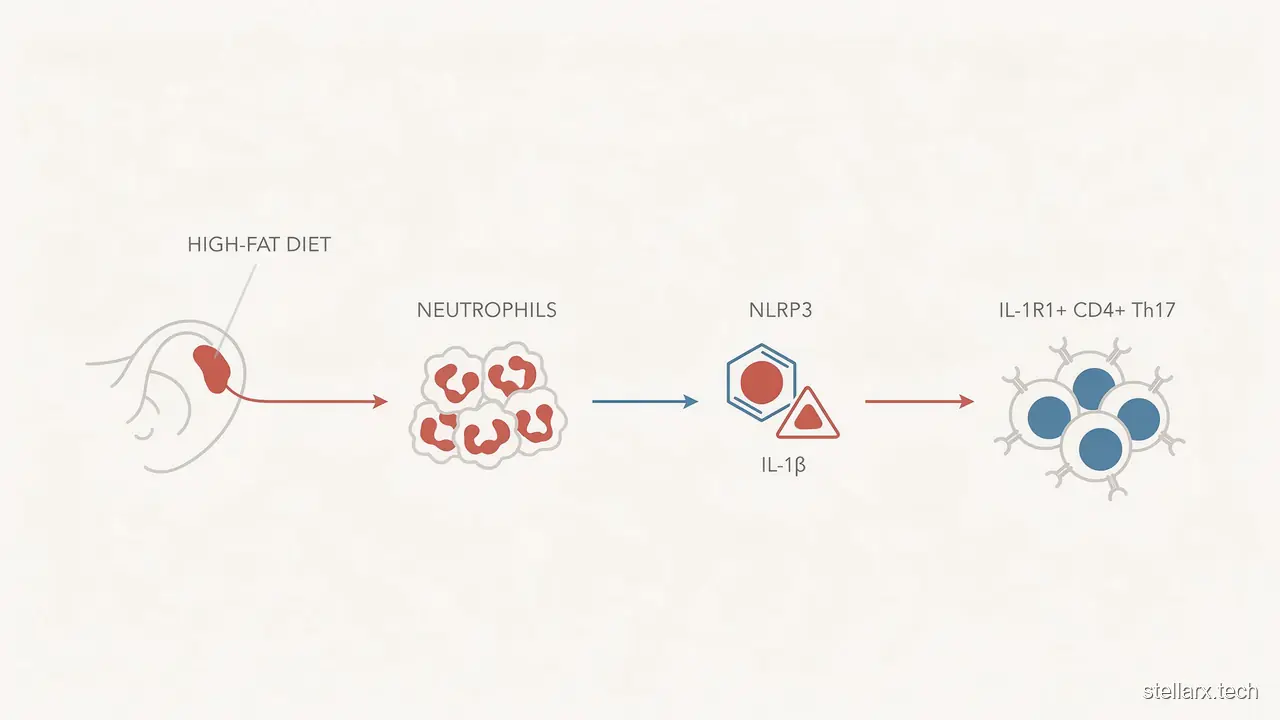
As the inflammation settles, another population — tissue-resident memory T cells — stays behind in the affected ear skin. Together these changes leave that patch of skin easier to activate the next time a stimulus arrives. So mice that ate high-fat chow at disease onset, then recovered and stayed on low-fat chow, still mounted an excessive inflammatory response when the disease recurred.
The same logic reaches beyond skin: only a few days of high-fat diet also significantly amplifies TH17 inflammation in the lungs, through a mechanism that depends on neutrophils and on IL-1R1.
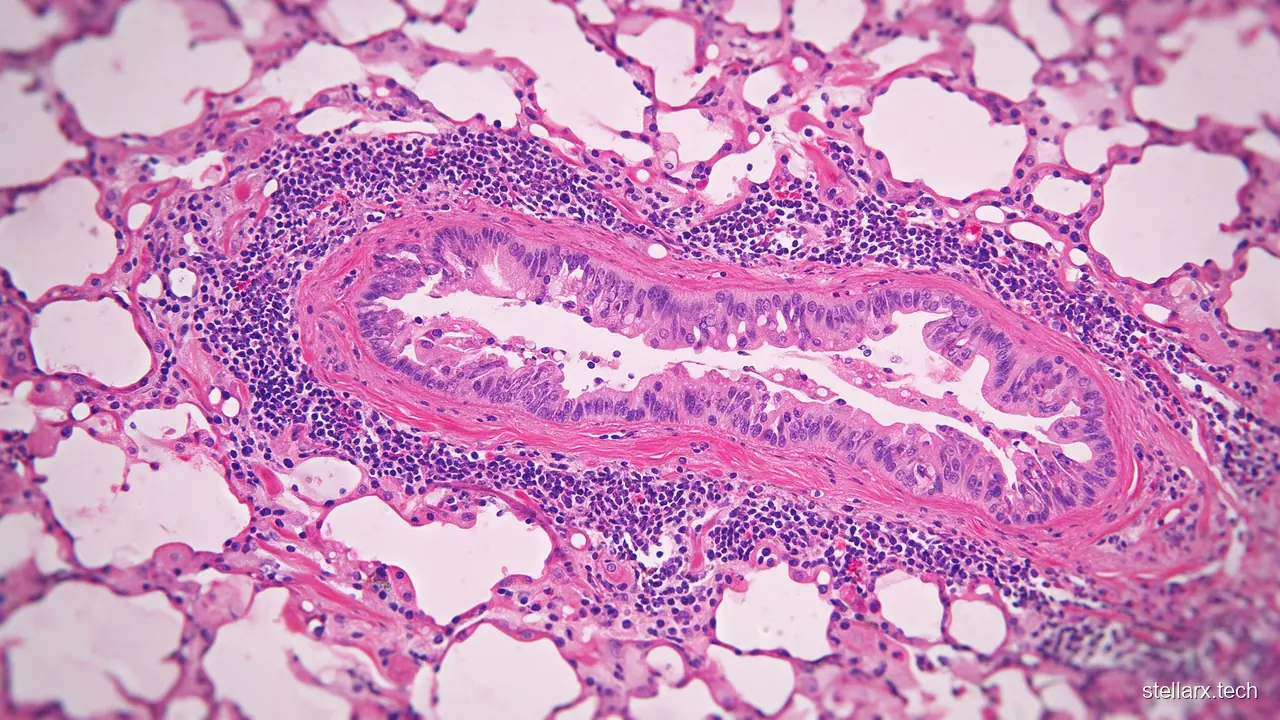
Together the findings indicate that, inside a short window of a few days, diet state can durably reshape the course of a disease. The suggestion is that when a transient physiological state coincides with tissue inflammation, it may be folded into local immune memory.
Zewen Jiang says the surprising part was how quickly the immune system answers the body's current condition. Diet, exercise, sleep — these factors may be shaping immune health in ways we do not yet fully understand.
The neutrophils in this story are not abstractions. On a stained blood smear their multi-lobed nuclei and pale granules are unmistakable, including a Permanent human blood smear specimen where neutrophils, lymphocytes and monocytes sit side by side and are clearly visible under a virtual microscope. Want to see what the cells behind this paper actually look like? Search "WWAI" in your app store and download it today — ask it why a neutrophil's nucleus comes in lobes, then look at the real specimen.

Related reading

Always Tired? Low-Grade Inflammation May Be Why

China's Top Nutrition Influencer: 64 Answers

Potato as Staple: 25 Pounds Down, No Calorie Math

Why Does Rhinitis Keep Coming Back? Frequent Sneezing and Ru…
References
Jiang Z, Tayeri JM, Sun I-H, et al. Diet at disease onset determines tissue inflammatory memory. Nature. Published online 28 October 2026. doi:10.1038/s41586-026-11181-4
- 為什麼哺乳動物都有七塊頸椎?長頸鹿與霍加狓的同一副脖子
- Why Almost Every Mammal Counts Seven Cervical Vertebrae
- 肉雞生長速度翻倍,雞胸肉散成麵條的真相
- Chicken Breast Stringy Raw: Spaghetti Meat Explained
- Inguinal Hernia: A Groin Bulge Mistaken for a Muscle Strain
- 腹股溝疝氣:產後健身鼓起的腫塊,卵巢掉進去了
- Four Days of High-Fat Diet Can Rewrite Skin Immune Memory
- 高脂飲食 4 天,皮膚發炎為何更猛、還記得住?
- 脂肪肝盛行率:中國每10個成人有3個
- Fatty Liver Overtook Hepatitis B: 3 in 10 Chinese Adults
全部评论