Are Earthworms Good for Your Garden? The Truth
Every picture book draws the earthworm as a smiling little helper. Biology class calls it an ecosystem engineer. The fertilizer aisle sells its castings as black gold. One thing nobody ever checked: what happens when you drop this beloved "helper" into a flowerpot?
So here is the cold water first: if you compost for your vegetables and flowers, introducing earthworms into your soil is a high-risk move.
In a forest or a grassland, the worm earns its good name. Leaf litter falls without end, and predators — moles, wild boars, hedgehogs, frogs — keep its numbers in check. In that world the earthworm is neither good nor bad; it is one link in a food chain.
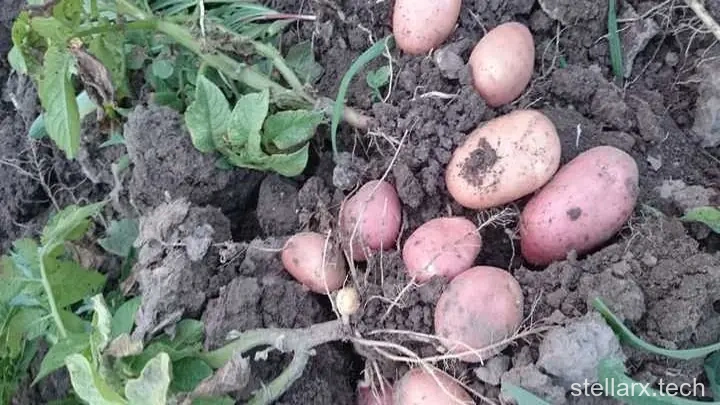
A vegetable patch is a different world. No endless litter. No predators.
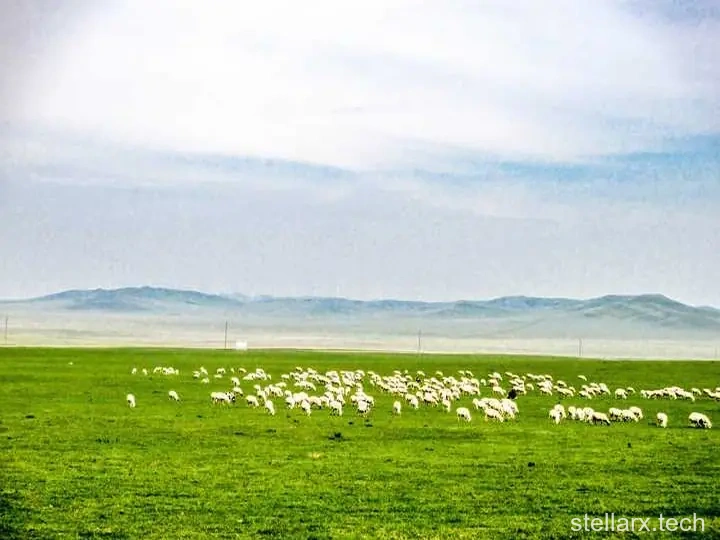
Remove those two conditions and the worm stops being a helper. It becomes an uncontrolled consumer of organic matter.
Its population can double within a month when food is plentiful. The tower you installed is a feeding station, not a quarantine zone — worms wander wherever organic matter is. When organic matter is abundant, they excrete what they failed to digest, and other worms eat those droppings too, until the soil's organic matter is driven to rock bottom and the population collapses from starvation.
The organic matter you add is supposed to feed soil microbes — microbes that unlock phosphorus and potassium plants can use. That is a virtuous cycle. But a worm's appetite dwarfs a microbe's. It swallows the carbon source and exhales it as carbon dioxide, straight into the atmosphere. That loss is permanent. Fewer microbes, and the worm cannot release phosphorus or potassium itself. The plant gets nothing but harm. Why pay a middleman to take a cut of your compost — and turn the rest into CO₂?
This is not alarmism; it is measured. In 2003, Desjardins and colleagues published a field trial from the Peruvian Amazon. They inoculated one plot with Pontoscolex corethrurus — an endogeic worm that lives inside the soil and eats soil organic matter directly, one of the most common species in tropical farmland and a favorite in worm-composting setups — and left a control plot untouched. Maize was planted for six consecutive years.
After those six years, the organic carbon stock in the top 0–10 cm of soil told the story:
Control plot (no worms): organic carbon down 4%.
Inoculated plot (worms): organic carbon down 27%.
The worm's rate of organic-matter consumption is astonishing.
Now the flowerpot. Every houseplant guide repeats the same advice: soil must be loose and airy. Loose and airy is a property of organic matter. Introduce worms, and they eat your organic matter all day, breed when full, and within a few generations the finite organic matter in the pot is gone. The soil turns poor and compacted, and you are repotting.
And this compaction is not ordinary compaction. Soil scientists have a name for it: the "cementification" of worm castings. In poor soil the worm ingests little organic matter, and the mucus and microbes in its gut over-cement what little humus there is. The ejected pellets dry into something extremely hard, with extremely low porosity.
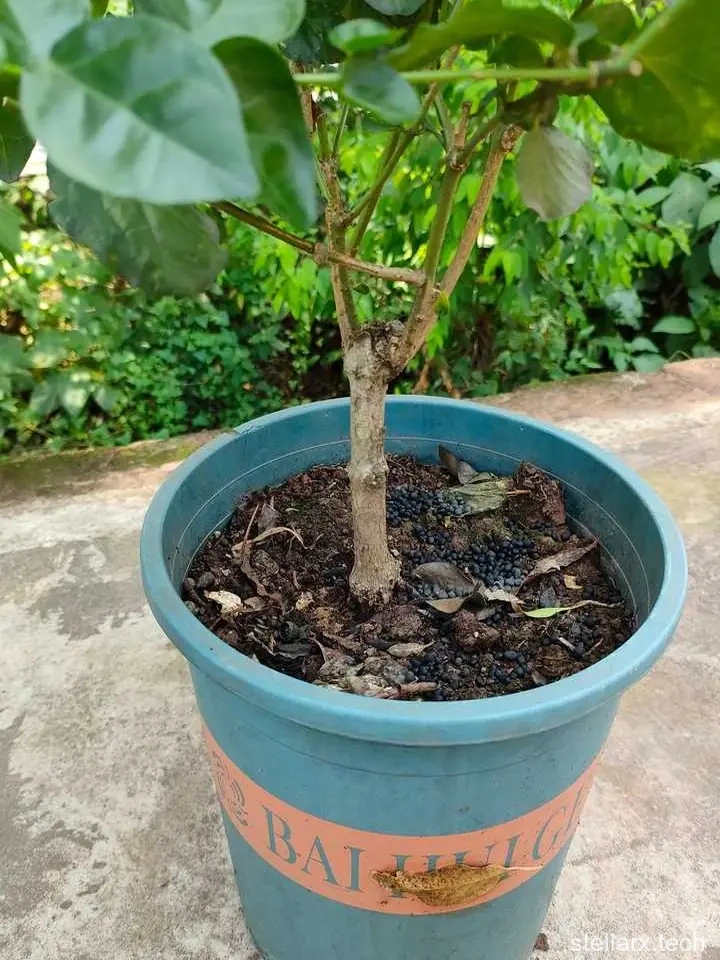
Once those pellets harden, microbes cannot get in, roots cannot push through, and even the next worm will not eat them. They just pile up, sealing off the pores, making the soil less airy than before.
You might say: fine, I will never put a worm in my pot. But that decision is not yours to make. The fertilizer from a worm tower is packed with worm cocoons that hatch in about 20 days, and nothing controls them.
Even buying ready-made worm castings brings the eggs. When worm farms separate castings from worms, cocoons are scraped off along with the castings. Cocoons are too light and too small to be sieved clean. They are packaged and sold as "worm-casting flower fertilizer." Each cocoon holds 2 to 10 eggs and can hatch within two weeks; at the right temperature, young worms appear in about 20 days.
So if you love DIY composting, buy a thermophilic compost bin instead. The same raw materials ferment with microbes at 50–60 °C, killing eggs and pathogens. The product is humus — no live worms.
The earthworm is a living animal. It eats. It breeds. Its food is organic matter. Put one in your soil and the organic matter will shrink day by day, until the soil is thoroughly poor.
That is the truth about earthworms.
None of this is visible with the naked eye — but under a microscope, the worm that eats your organic matter is a marvel of layered engineering. With WWAI's virtual microscope, you can observe an earthworm cross-section specimen where the body wall, coelom, digestive tract, blood vessels and nerve cord are clearly visible, or the clitellum region where thickened epithelium and glands show how this eater is built for reproduction. Explore 110+ real biological specimens, ask AI questions about biology, and see the microscopic world at multiple magnifications. Search for WWAI in your app store to download.

Related reading

Fall Webworm Biocontrol: Beijing's Tiny Wasp Army

Lazarus Species: Animals Found Alive Again
References
Desjardins T, Charpentier F, Pashanasi B, Pando-Bahuon A, Lavelle P, Mariotti A. Effects of earthworm inoculation on soil organic matter dynamics of a cultivated ultisol. Pedobiologia. 2003;47:835–841.
- Why Do Mouth Wounds Heal So Fast? The Mouth's Secret
- 嘴破為什麼好得快?口腔傷口的隱藏機制 | stellarx
- 為什麼小型脊椎動物取代不了昆蟲?
- Why Can't Small Vertebrates Replace Insects?
- 生肉到底要不要洗?小心水花飞溅,让致病菌污染整个厨房
- Off-Topic Answers Reveal the Question Behind the Question
- 每個答非所問的背後,都有一個還沒問出口的問題
- Are Earthworms Good for Your Garden? The Truth
- 蚯蚓塔堆肥是福是禍?蚯蚓糞的隱藏缺點一次看清
- Why Do Couples Look Alike? Assortative Mating Explained
全部评论