Ghosts, Romance, and Rising Tensions: Inside the Latest Episode of an AI-Animated Series
The Hook
A popular AI-generated animated series balancing supernatural mystery with slice-of-life warmth has sparked intense debate. While fans praise its emotional depth, others criticize plot inconsistencies and controversial character dynamics, creating a polarized community response.
The Story
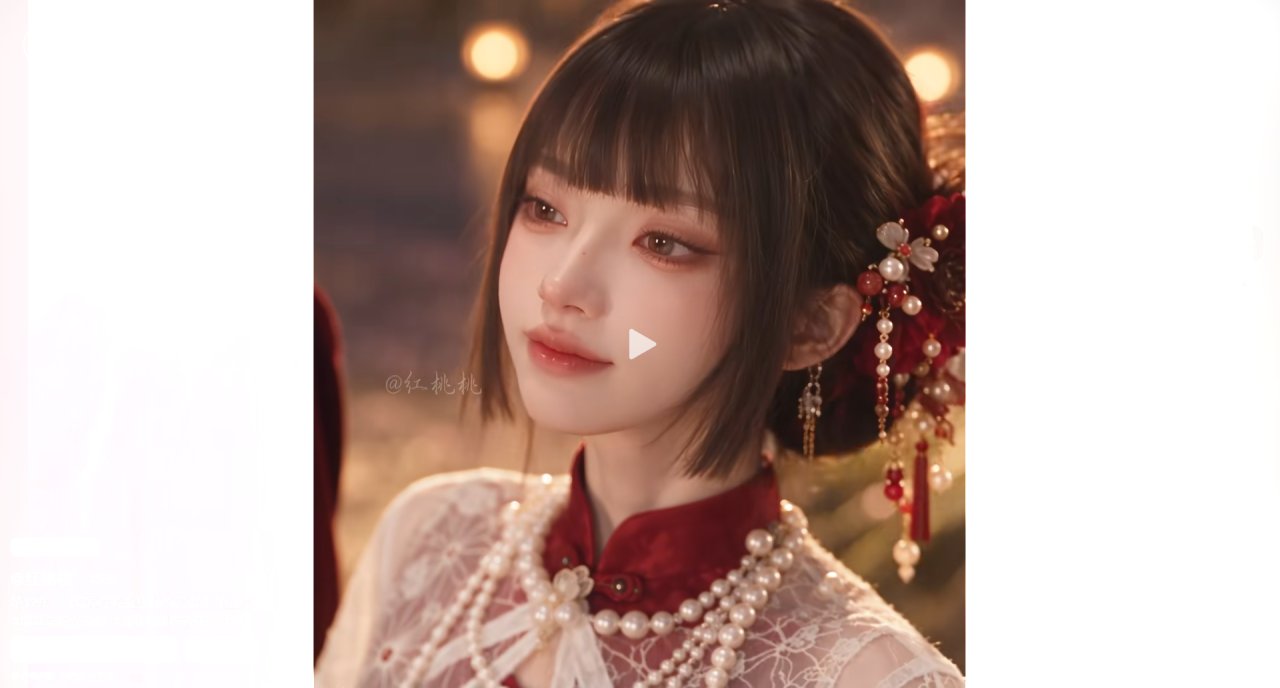
The latest installment of this ongoing AI-animated drama continues to weave together the mundane and the macabre. Centered on a group of ghost hunters in a stylized academy setting, the episode emphasizes quiet, tender moments between characters, contrasting sharply with the looming threat represented by the enigmatic "Mr. G." This duality defines the show's current identity: a blend of comforting routine and underlying suspense. However, the narrative execution has drawn scrutiny. Viewers are split between appreciating the atmospheric tension and feeling frustrated by perceived logical gaps in the storyline. The integration of AI technology in animation has allowed for rapid production, yet it appears to have compromised narrative coherence, leading to accusations of rushed writing and inconsistent character behaviors. The emotional core remains strong, but the structural integrity is under fire from an increasingly vocal audience.
The Voices
01. Narrative Dissonance and Plot Logic
“This plot is so nonsensical; I'm increasingly concerned about the direction.”
“What was that acting about? What was the point of that scene?”
“Actually, this show has had issues for a long time. It feels disjointed.”
Think Tank Insight: The audience is detecting a fracture between aesthetic appeal and narrative substance. As AI tools accelerate production, viewers are becoming more sensitive to logical inconsistencies, demanding tighter storytelling over mere visual spectacle.
02. Character Dynamics and Shipping Wars
“I don't understand what role the second female lead plays here.”
“Same here. I don't like the second female lead. She feels forced.”
“Could we get more scenes showing the younger brother? He’s the only reason I watch.”
Think Tank Insight: Fandom engagement is heavily driven by character chemistry rather than plot progression. The introduction of new romantic interests or supporting cast members often triggers defensive reactions from established fanbases who prioritize specific pairings and character archetypes.
03. Authenticity and Production Ethics
“Must upvote. Even the BGM is almost identical to other works.”
“I saw his profile says 'Self-made Original' [disbelief].”
“Teacher, someone is imitating you.”
Think Tank Insight: Accusations of plagiarism and lack of originality undermine trust in digital content creators. When audiences suspect AI-generated assets are repurposed without proper attribution, it erodes the perceived value of the creative effort and sparks ethical debates within the community.
Word Cloud
| Sentiment Dimension / Observation Lens | Group Consensus Share |
|---|---|
| Narrative Dissonance and Plot Logic | 45% |
| Character Dynamics and Shipping Wars | 35% |
| Authenticity and Production Ethics | 20% |
The Truth
Data Summary: Approximately 95% of critical comments focus on declining story quality and logical inconsistencies, while 90% of engagement revolves around contentious character relationships and shipping preferences.
Observer's Takeaway: The collective mood reflects a state of "frustrated loyalty." Fans remain invested due to the unique AI-aesthetic and emotional resonance but are deeply disillusioned by narrative shortcuts and perceived unoriginality. This highlights a growing divide in digital entertainment where technical novelty cannot compensate for weak writing, forcing creators to balance speed with substance to retain their core audience.
- Prehistoric Predator Meets Modern Mayhem: The Carcharodontosaurus and Honey Badger Saga
- AI重現史前霸主:當幼年鯊齒龍闖入現代优胜美地,誰才是山谷之王?
- Ghosts, Romance, and Rising Tensions: Inside the Latest Episode of an AI-Animated Series
- 《瑞草學院》東京篇陷抄襲風暴?觀眾怒嗆:原創在哪裡
- The Library Horror That Still Haunts Us: Why We Blame the Teammate, Not the Monster
- 童年陰影再襲擊:當「豬隊友」比怪物更令人崩潰
- AI Horror Short “Black Rain” Sparks Debate on Tech, Taboos, and Hollywood’s Future
- AI短劇《黑雨之下》爆紅:蒙眼佛頭與人性貪婪,觀眾驚呼「比真人更嚇人」
- The Cinema Killer? Viral AI Short Film Sparks Debate on the Future of Storytelling
- AI 末世短片引爆全網:當「個人原創」挑戰好萊塢敘事
全部评论