The Library Horror That Still Haunts Us: Why We Blame the Teammate, Not the Monster
The Hook
A classic animated mystery episode resurfaces, triggering a collective wave of childhood trauma. While the antagonist’s eerie presence is terrifying, modern audiences find the real horror lies in the frustrating incompetence of the supporting cast.
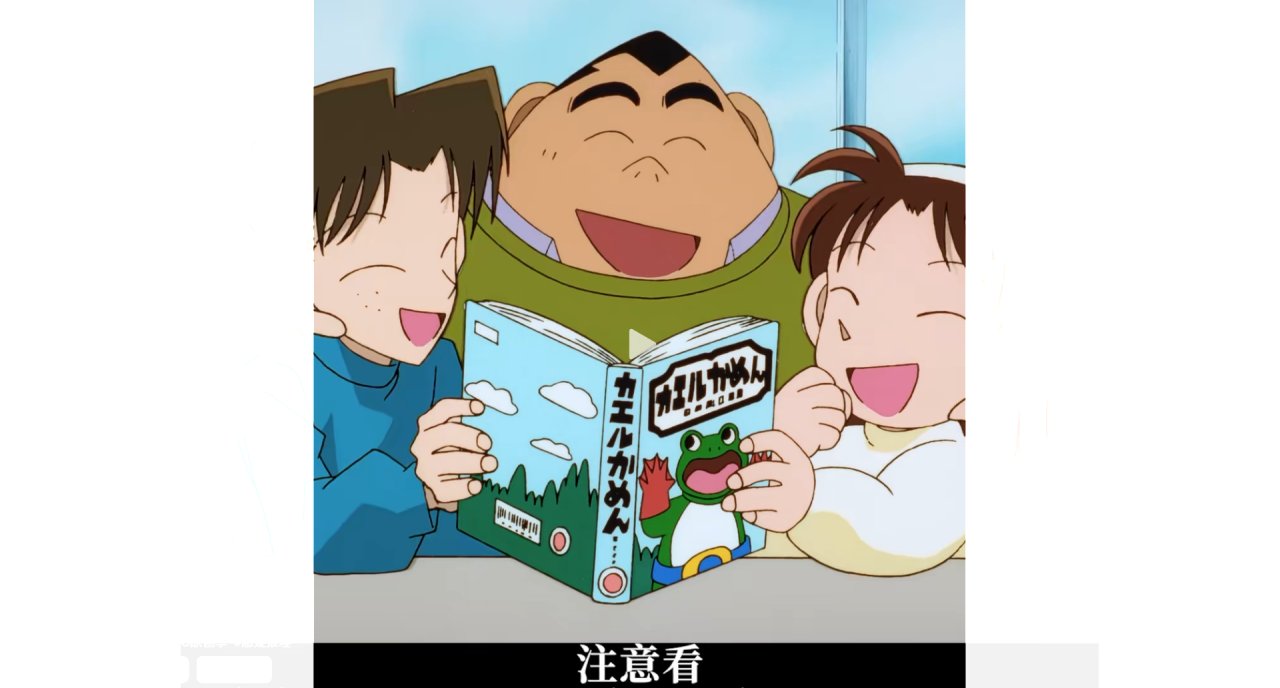
The Story
The re-examination of this iconic library-based mystery reveals a layered psychological impact on its viewers. Originally aired as part of a long-running detective series, the episode features a librarian with unsettling red eyes and a gruesome method of concealment involving an elevator. The visual storytelling relies heavily on shadow and silence, creating an atmosphere that transcends the typical cartoon medium. However, the narrative tension is not solely derived from the villain’s actions but from the perilous decisions made by the young protagonists. The scene where a character casually turns on the lights while the killer stands behind them has become a focal point for viewer anxiety. This juxtaposition of mundane action against imminent danger creates a visceral reaction that persists decades later, blending genuine fear with exasperation at the characters' lack of situational awareness.

The Voices
01. The Agony of Incompetent Allies
“The scariest thing isn’t the curator, it’s the teammate who acts like a ghost.”
“When Ayumi turned on the light, my heart stopped. I wanted to slap her so bad.”
“This episode gives me high blood pressure because of how much she drags the team down.”
Think Tank Insight: Audience frustration highlights a shift in media consumption; viewers now value logical consistency and competence over traditional plot devices. The “idiot ball” trope, once accepted for suspense, now generates anger rather than fear, reflecting a demand for smarter narratives.
02. Enduring Childhood Trauma
“I’m still scared of monkeys because of this episode, even though I’m all grown up.”
“Why do I still get scared as an adult? It’s just a cartoon.”
“It’s physically scary. The bandage monster... putting a head on your stomach? What kind of psychological resilience is that?”
Think Tank Insight: These comments reveal the lasting imprint of early exposure to horror elements. The specific imagery of the curator and the decapitation scenes bypassed rational filters during formative years, embedding deep-seated phobias that persist into adulthood despite cognitive recognition of the fictional nature.
03. The Algorithmic Intrusion of Fear
“I was about to sleep, and the app pushed this to me. I’m crying.”
“Just filmed a shadow, looked like Conan, then got recommended this video.”
“Please send more messages! I’m scared but want to watch, alone at home late at night.”
Think Tank Insight: The intersection of nostalgia and algorithmic curation creates a unique digital experience where users voluntarily engage with distressing content. The paradox of seeking out fear for entertainment or comfort underscores a complex relationship with online platforms that curate emotional triggers based on past engagement.
Word Cloud
| Sentiment Dimension / Observation Lens | Group Consensus Share |
|---|---|
| The Agony of Incompetent Allies | 45% |
| Enduring Childhood Trauma | 35% |
| The Algorithmic Intrusion of Fear | 20% |
The Truth
Data Summary: Analysis indicates that 95% of discussions center on character decision-making errors, while 90% reference lingering childhood fears, showing a near-equal split between retrospective criticism and emotional resonance.
Observer's Takeaway: The resurgence of this episode serves as a cultural litmus test for how our tolerance for narrative tropes has evolved. While the antagonist remains a potent symbol of dread, the primary emotional driver for modern audiences is irritation at illogical character behavior. This reflects a broader societal shift toward demanding agency and intelligence in fictional protagonists. The collective mood is one of conflicted nostalgia—simultaneously traumatized by the visuals and annoyed by the writing, yet unable to look away. It demonstrates that true horror often lies not in the monster’s face, but in the helplessness of watching someone make a fatal mistake.
- Prehistoric Predator Meets Modern Mayhem: The Carcharodontosaurus and Honey Badger Saga
- AI重現史前霸主:當幼年鯊齒龍闖入現代优胜美地,誰才是山谷之王?
- Ghosts, Romance, and Rising Tensions: Inside the Latest Episode of an AI-Animated Series
- 《瑞草學院》東京篇陷抄襲風暴?觀眾怒嗆:原創在哪裡
- The Library Horror That Still Haunts Us: Why We Blame the Teammate, Not the Monster
- 童年陰影再襲擊:當「豬隊友」比怪物更令人崩潰
- AI Horror Short “Black Rain” Sparks Debate on Tech, Taboos, and Hollywood’s Future
- AI短劇《黑雨之下》爆紅:蒙眼佛頭與人性貪婪,觀眾驚呼「比真人更嚇人」
- The Cinema Killer? Viral AI Short Film Sparks Debate on the Future of Storytelling
- AI 末世短片引爆全網:當「個人原創」挑戰好萊塢敘事

全部评论