AI Horror Short “Black Rain” Sparks Debate on Tech, Taboos, and Hollywood’s Future
The Hook
An AI-generated horror short titled “Black Rain” has captivated audiences with its eerie visuals of a blindfolded Buddha head and ominous black rain. Beyond the suspense, the clip ignited fierce debates on AI authenticity, metaphysical taboos, and the impending displacement of human actors.
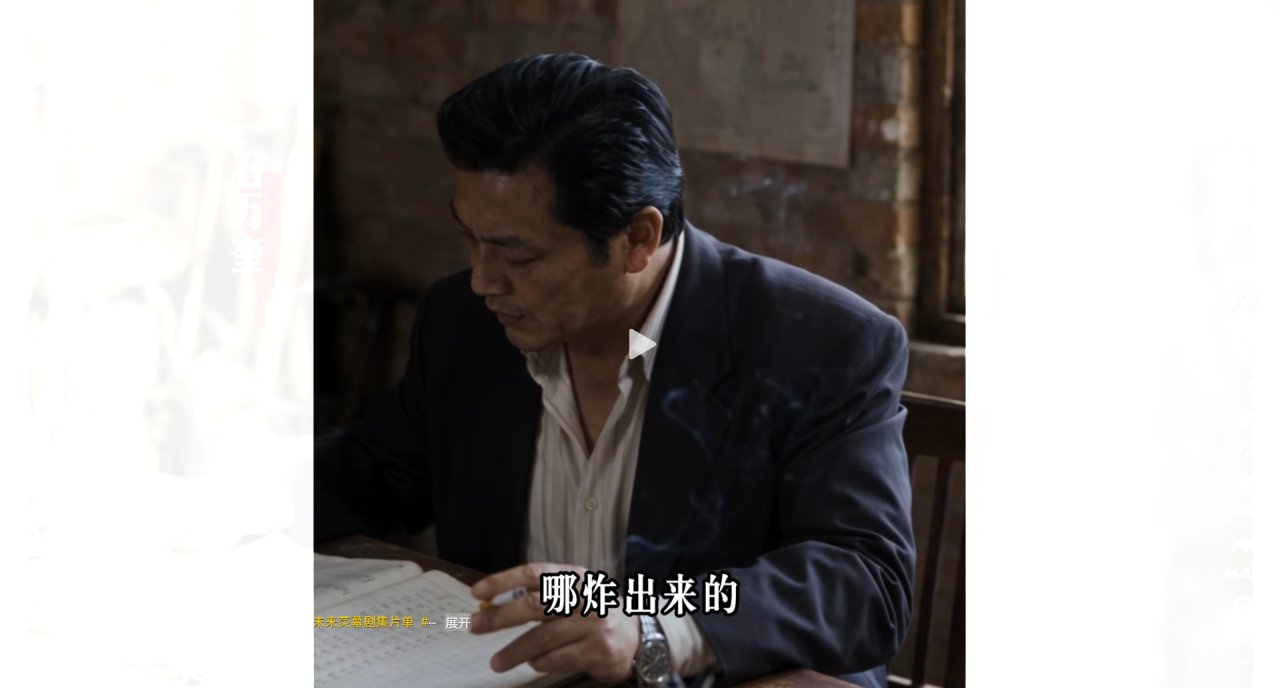
The Story
The narrative unfolds in a desolate mining site where an illegal blasting operation accidentally unearths a two-meter stone Buddha head, its eyes tightly bound by cloth. Foreman Lao Shi, driven by greed rather than caution, ignores safety protocols to contact an antique dealer for appraisal. Suddenly, the sky darkens, and a mysterious “black rain” begins to fall, disrupting the illicit transaction. Amidst the chaos, a dog named Da Huang reacts violently to the rain, hinting at supernatural consequences. The episode masterfully blends the trope of cursed artifacts with modern anxieties about environmental retribution and technological hubris, leaving viewers questioning whether this is a mere thriller or a prophetic warning about unchecked ambition.

The Voices
01. The Uncanny Valley of AI Production
“Is this video AI-generated? It looks too real.”
“AI has developed beyond your imagination. Even the big yellow dog looks real.”
“Please stop wasting computing power. This is impressive but creepy.”
Think Tank Insight: Viewers are increasingly unable to distinguish between high-end VFX and generative AI. The realism of minor elements like animal fur and lighting suggests that AI tools have crossed the threshold from novelty to professional-grade production quality, raising ethical questions about content origin.
02. Metaphysical Taboos vs. Narrative Logic
“I heard you shouldn't look directly into this Buddha's eyes. Taking it off was bad enough.”
“People like this are the most annoying in real life. Greedy people with ulterior motives.”
“Adapted from the Korean series 'Stranger Than Hell'. The logic holds up.”
Think Tank Insight: The comment section reveals a deep-seated cultural respect for metaphysical rules regarding sacred objects. Audiences criticize character decisions not just for plot holes, but for violating intuitive spiritual boundaries, indicating that horror resonance relies heavily on shared folk beliefs about consequence and taboo.
03. Anxiety Over Human Actors’ Obsolescence
“In the future, all live-action actors will lose their jobs.”
“No way. Right now, only AI can watch it. AI still needs human direction.”
“If you don't take it off, what are you supposed to do? The story needs conflict.”
Think Tank Insight: A significant portion of the discourse reflects existential anxiety within the entertainment industry. While some dismiss AI as incapable of nuanced storytelling, others fear economic displacement. This tension highlights a societal struggle to define the value of human performance versus algorithmic efficiency.
Word Cloud
| Sentiment Dimension / Observation Lens | Group Consensus Share |
|---|---|
| Metaphysical Taboos & Plot Critique | 45% |
| AI Authenticity & Technical Wonder | 35% |
| Industry Displacement Anxiety | 20% |
The Truth
Data Summary: Approximately 90% of comments express shock at the visual fidelity of the AI generation, while 75% engage deeply with the moral and metaphysical implications of the characters' actions, creating a balanced sentiment distribution between technical awe and narrative critique.
Observer's Takeaway: The reception of “Black Rain” illustrates a dual reality in modern media consumption: audiences are simultaneously fascinated by the seamless integration of AI technology and critically vigilant about the erosion of traditional storytelling ethics. The viral nature of this clip stems not just from its horror elements, but from its ability to mirror contemporary anxieties—specifically, the fear that our curiosity and greed, amplified by new technologies, may lead to unforeseen consequences. The debate over actor obsolescence further underscores a collective unease about humanity’s role in an increasingly automated creative landscape.
- Prehistoric Predator Meets Modern Mayhem: The Carcharodontosaurus and Honey Badger Saga
- AI重現史前霸主:當幼年鯊齒龍闖入現代优胜美地,誰才是山谷之王?
- Ghosts, Romance, and Rising Tensions: Inside the Latest Episode of an AI-Animated Series
- 《瑞草學院》東京篇陷抄襲風暴?觀眾怒嗆:原創在哪裡
- The Library Horror That Still Haunts Us: Why We Blame the Teammate, Not the Monster
- 童年陰影再襲擊:當「豬隊友」比怪物更令人崩潰
- AI Horror Short “Black Rain” Sparks Debate on Tech, Taboos, and Hollywood’s Future
- AI短劇《黑雨之下》爆紅:蒙眼佛頭與人性貪婪,觀眾驚呼「比真人更嚇人」
- The Cinema Killer? Viral AI Short Film Sparks Debate on the Future of Storytelling
- AI 末世短片引爆全網:當「個人原創」挑戰好萊塢敘事

全部评论