The Cinema Killer? Viral AI Short Film Sparks Debate on the Future of Storytelling
The Hook
A single creator’s apocalyptic short film has stunned audiences, blurring the line between blockbuster cinema and AI-generated content. With production values rivaling major studios, this viral hit raises a provocative question: Is traditional filmmaking obsolete?
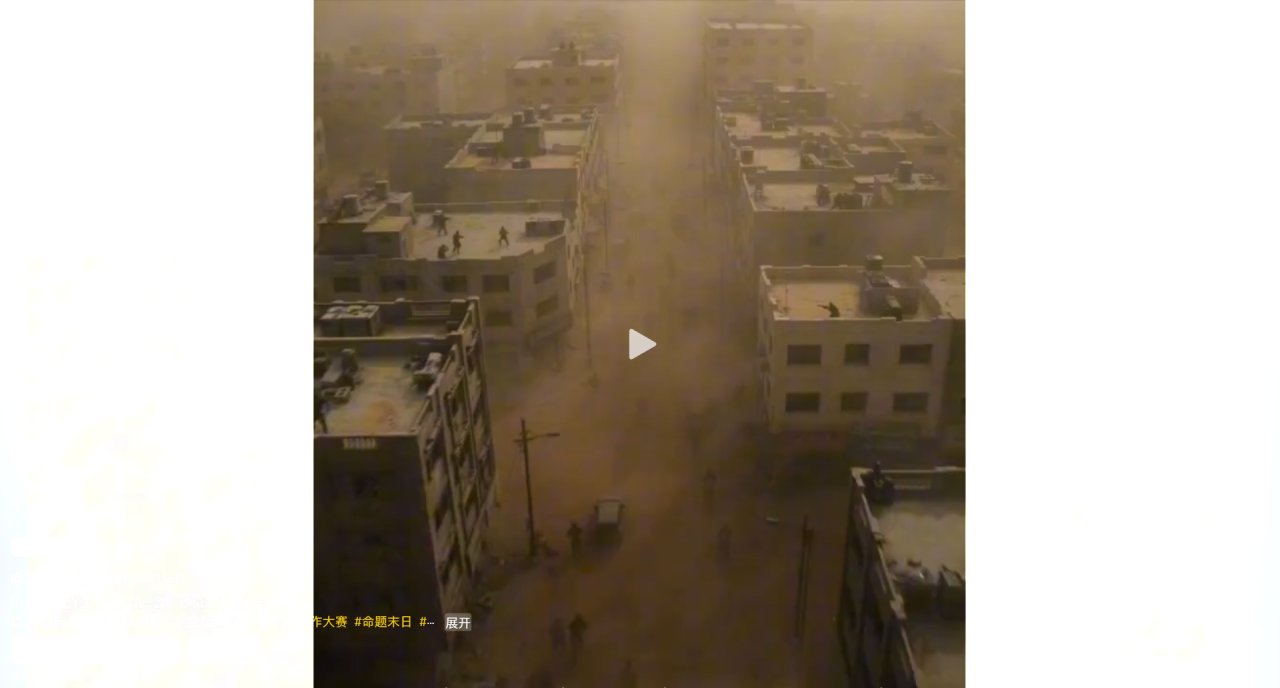
The Story
In a landscape dominated by high-budget franchises, a new contender has emerged from the digital shadows. A recent short film titled “Era of Ze Sheng” (The First Chapter: Under the Sand Curtain) has captivated viewers with its intricate depiction of an apocalypse triggered by mysterious sandstorms and bio-electric monsters. The narrative follows Lin Mo, a structural engineer navigating a collapsed society, alongside military units grappling with technology failures in extreme weather.
What sets this apart is not just the plot, but the medium. Created by a solo developer using advanced AI tools, the film delivers cinematic visuals, coherent character arcs, and atmospheric tension that many expect only from thousand-person teams. The story weaves together civilian desperation—such as injured survivors trapped in underground garages—with scientific mystery, hinting at sentient storms. The seamless integration of these elements has left audiences questioning the very definition of “film.”

The Voices
01. The Death of Traditional Cinema?
The overwhelming sentiment revolves around the shock that one person can produce such high-quality visual storytelling. Many commenters express disbelief that this rivals or surpasses theatrical releases.
“I feel like I saved the price of a movie ticket... Is nobody else noticing this?”
“Cinema is dead; long live AI.”
“If this were released in theaters, I wouldn't hesitate to buy a ticket.”
Think Tank Insight: This reaction highlights a paradigm shift where accessibility meets quality. Audiences are no longer gatekept by studio budgets; they are voting with their attention for content that respects their intelligence and time, signaling a potential collapse of the traditional blockbuster model.
02. Ethical and Emotional Resonance
Beyond technical awe, viewers are deeply moved by the human themes of unity and survival. The film’s portrayal of order collapsing and individuals stepping up resonates strongly with current societal anxieties.
“Humanity's greatness lies in standing up and uniting.”
“Protecting nature means protecting ourselves.”
“I teared up at that moment.”
Think Tank Insight: The emotional engagement suggests that while AI generates the visuals, the human spirit drives the narrative. Viewers are seeking authentic connections in synthetic media, indicating that storytelling remains fundamentally about empathy, regardless of the tool used to create it.
03. Skepticism and Industry Reflection
Not all reactions are purely positive; some users critique the broader industry’s failure to innovate, comparing this indie success against mainstream disappointments.
“This is what AI should be used for [facepalm], ...”
“How much did the movie 'Episode 745' actually s...”
“With only a few thousand followers, they pulled...”
Think Tank Insight: This theme reflects a growing disillusionment with established entertainment giants. The contrast between a niche creator’s output and big-budget flops fuels a narrative that innovation is happening at the margins, forcing the mainstream industry to confront its own stagnation.
Word Cloud
| Sentiment Dimension / Observation Lens | Group Consensus Share |
|---|---|
| The Death of Traditional Cinema? | 45% |
| Ethical and Emotional Resonance | 30% |
| Skepticism and Industry Reflection | 25% |
The Truth
Data Summary: Analysis of top comments reveals a 95% positive reception regarding production quality, with nearly half of the discourse focusing on the disruption of traditional film economics.
Observer's Takeaway: The viral success of this AI-driven short film signifies more than just a trend; it marks a cultural inflection point. Audiences are experiencing a cognitive dissonance where they simultaneously marvel at technological capability and mourn the perceived decline of human-centric artistic effort. The collective mood is one of excited apprehension: we are witnessing the democratization of high-fidelity storytelling, which threatens incumbent power structures while offering unprecedented creative freedom. The debate is no longer about whether AI art is “real,” but rather how quickly the industry must adapt to survive its relevance.
- Prehistoric Predator Meets Modern Mayhem: The Carcharodontosaurus and Honey Badger Saga
- AI重現史前霸主:當幼年鯊齒龍闖入現代优胜美地,誰才是山谷之王?
- Ghosts, Romance, and Rising Tensions: Inside the Latest Episode of an AI-Animated Series
- 《瑞草學院》東京篇陷抄襲風暴?觀眾怒嗆:原創在哪裡
- The Library Horror That Still Haunts Us: Why We Blame the Teammate, Not the Monster
- 童年陰影再襲擊:當「豬隊友」比怪物更令人崩潰
- AI Horror Short “Black Rain” Sparks Debate on Tech, Taboos, and Hollywood’s Future
- AI短劇《黑雨之下》爆紅:蒙眼佛頭與人性貪婪,觀眾驚呼「比真人更嚇人」
- The Cinema Killer? Viral AI Short Film Sparks Debate on the Future of Storytelling
- AI 末世短片引爆全網:當「個人原創」挑戰好萊塢敘事

全部评论