Should You Wash Raisins Before Eating? It Depends on the Packaging and How They Were Processed
Do Wrinkled Raisins Really Mean They Are Dirty?
When people see the wrinkled surface of a raisin, a common first reaction is:
“Was this dried outside and covered in dust?”
And if raisins are washed and the water turns cloudy, yellowish, or brownish, it can seem to confirm that suspicion.
But the situation is not always that simple.
The surface of raisins may contain small amounts of dust, natural sugars, pigments, or other substances from the fruit itself, and processing methods can vary widely between products.
So you cannot judge all raisins as “dirty” simply because the washing water becomes cloudy.
How Do Grapes Become Raisins?
Raisins are essentially grapes that have lost a large amount of water.
Traditionally, grapes may be dried in the sun or in shaded drying environments. Modern food production may also use more standardized drying and processing methods.
As water is removed, the grapes shrink and wrinkle, while the sugars become more concentrated.
That is why raisins are much smaller than fresh grapes but usually taste significantly sweeter.
So the wrinkled appearance of raisins is simply a normal result of dehydration.
It does not mean the fruit is unclean.

Do Packaged Raisins Need to Be Washed Again?
The first thing to check is the packaging.
If you buy raisins in a sealed package and the label clearly says they are ready to eat, that generally means the product has already been processed and packed for direct consumption.
In this case, there is usually no need to wash them again.
This is especially true for small snack packs, trail mixes, and daily nut-and-fruit packs that are designed to be opened and eaten immediately.
If you soak or repeatedly wash these raisins, they may absorb water, become softer, and lose their original texture.
So the simplest rule is:
Check the label first.
If it says ready-to-eat, you can generally follow the package instructions.

What About Loose Raisins?
Loose raisins are a different situation.
If raisins have been exposed to an open environment for a long time, or if you cannot confirm how they were processed, transported, or stored, the surface may be more likely to collect dust or other impurities.
In that case, rinsing them with clean running water before eating can be a reasonable choice.
There is no need to soak them for a long time or scrub them repeatedly.
A quick rinse to remove visible dust or debris is usually enough.
After washing, drain them promptly so they do not remain wet for too long.

Why Does the Water Turn Yellow or Brown When Raisins Are Washed?
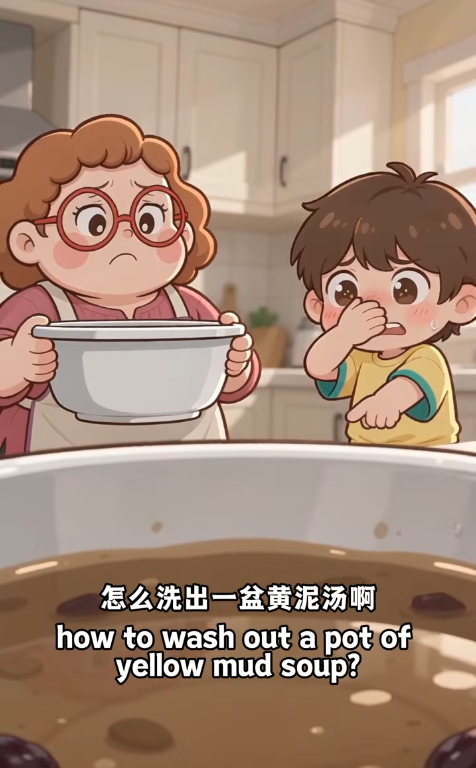
This is one of the most visually dramatic moments in the video.
Raisins are placed in water, and the clear water suddenly turns yellowish or brown, almost like muddy water.
It looks alarming.
But the color does not necessarily come entirely from dirt.
Natural pigments, surface sugars, and other water-soluble compounds from the raisins can dissolve into the water during washing or soaking.
Different raisin varieties and colors may also produce different-looking wash water.
So:
Yellow or brown water does not automatically mean the raisins were covered in dirt.
Of course, if the raisins genuinely have dust or grit on the surface, rinsing can help remove some of it.
But the color of the water alone is not enough to judge cleanliness.

Can Washing Remove Everything From Raisins?
No.
Plain water is mainly useful for removing some surface dust, grit, and visible debris.
It is not a universal “deep-cleaning” solution.
So instead of buying raisins of uncertain origin and expecting repeated washing to solve every concern, it is usually more important to choose products with clear sourcing, intact packaging, and proper labeling.
When it comes to food:
Reliable processing and storage conditions often matter more than aggressive washing at home.

Why Is It Better Not to Soak Raisins for Too Long?
Raisins are created by removing much of the water from fresh grapes.
If they are soaked for too long, they begin to absorb water again.
As a result, they become softer, swell up, and lose their chewy texture.
Some of the surface sugars may also dissolve into the water.
So if your goal is simply to remove surface dust, long soaking is usually unnecessary.
A quick rinse followed by thorough draining is generally enough.
Should You Pick the Raisins Out of Trail Mix and Wash Them Separately?
Many packaged trail mixes and daily nut packs contain raisins along with nuts, dried cranberries, and other dried fruits.
If the product is clearly labeled ready-to-eat, the raisins are usually intended to be eaten directly along with the rest of the mix.
There is generally no need to pick them out one by one and wash them separately.
Doing so can be inconvenient and may cause the dried fruit to absorb moisture, affecting both texture and storage quality.
So instead of wondering:
“Do I need to wash this raisin again?”
it is more useful to check the package instructions and labeling first.

So, Should Raisins Be Washed? Remember This Simple Rule
If all of the information above feels like too much to remember, use this simple guideline:
Sealed, properly packaged, and labeled ready-to-eat: usually no additional washing is needed.
Loose, visibly dusty, or from uncertain storage conditions: a quick rinse may be appropriate.
If washing is needed: rinse briefly, drain promptly, and avoid long soaking.
There is no single answer that applies to every raisin product.
What really matters is where the raisins came from, how they were processed, how they were stored, and what the package says.
So the next time someone pours a bag of ready-to-eat raisins into a bowl of water and starts washing them repeatedly, it may be worth asking:
“Does the package already say ready-to-eat?”
Maybe this time, all that washing really is unnecessary.



- 夫妻相是選出來的:擇偶偏好早就寫在基因裡
- The Illusion of Transformation: When Makeup Tutorials Spark Identity Debates
- 爆改還是詐騙?萌妹妝教學引發「底子論」與技術流的大對決
- No Standard Answer: How Passion and Filial Piety Redefine Success
- AI鏡頭下的溫情敘事:當熱愛成為人生唯一的標準答案
- The ‘Amateur’ Myth: How a Small Korean Studio Redefined Beauty Standards
- 韓系小作坊妝造實測:素顏底子與民間高手的雙重奇蹟
- Golden Coast Luxury Meets Cinematic Ambition
- 挑戰拍遍澳洲豪宅:黃金海岸水邊別墅的「電影感」與「跑路梗」
- The Wardrobe Reset: Why “Smart” Shopping Is Beating Impulse Buys
全部评论