The ‘Amateur’ Myth: How a Small Korean Studio Redefined Beauty Standards
The Hook
A viral video showcasing a budget-friendly makeup session in a small Korean workshop has sparked intense debate. Viewers are torn between praising the artist’s skill and questioning if the subject’s natural beauty renders the makeup irrelevant.
The Story
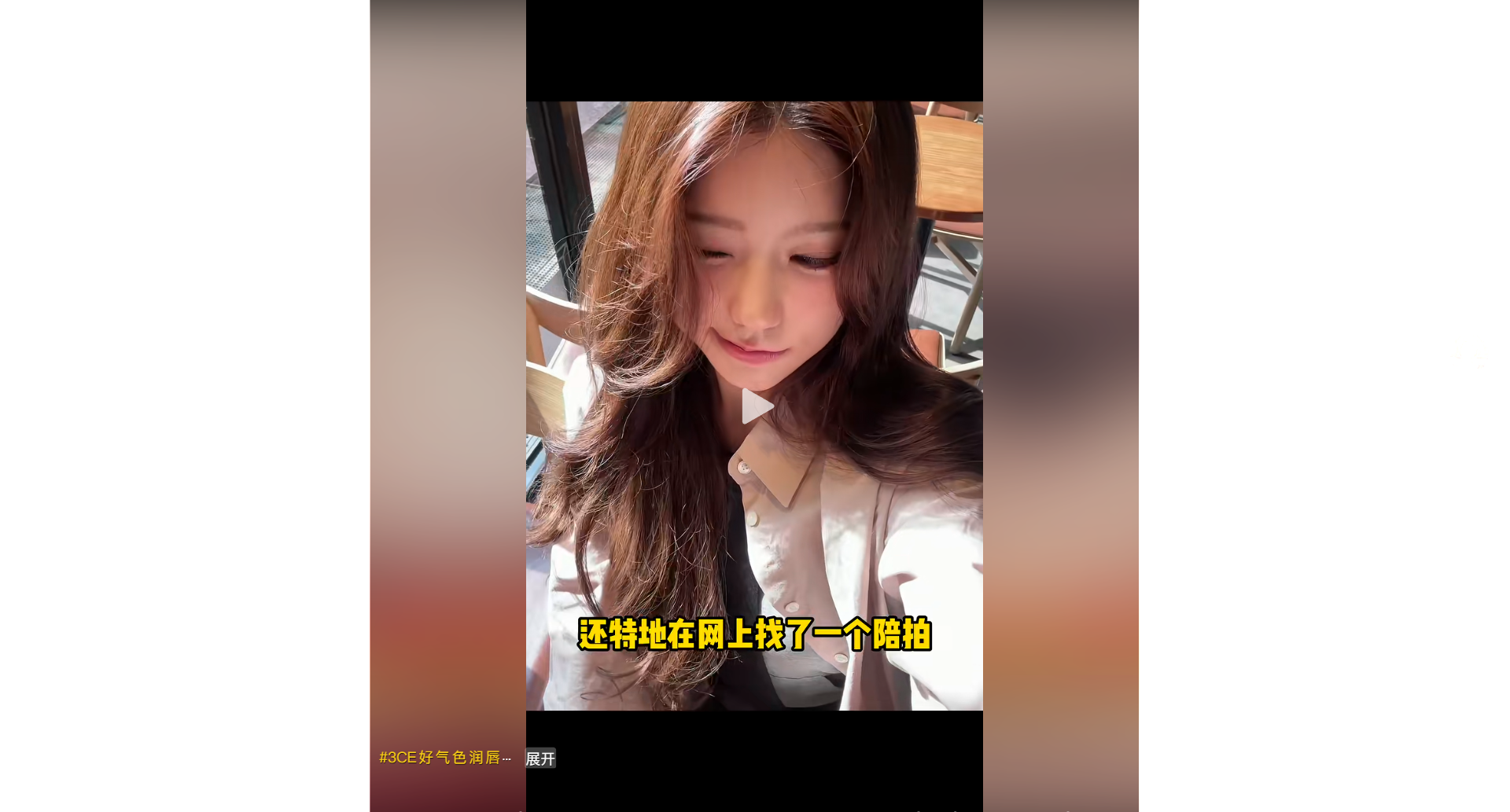
In a move to escape the homogenized “assembly line” look of popular influencer studios, a content creator visited a modest, multi-service local workshop in South Korea. Initially nervous due to previous online criticism of such establishments, the makeup artist delivered a nuanced, personalized service that lasted nearly two hours—double the agreed time. Rejecting rigid stereotypes, the artist crafted natural flat brows, custom eyeliner, and applied a specific peach-toned lip balm suitable for sensitive skin. The result was a polished, effortless aesthetic that cost significantly less than high-end alternatives. However, the core narrative shifted from the technique to the canvas itself, as the final look highlighted features so naturally striking that they seemed to defy the need for heavy alteration, creating a paradox where skilled artistry met undeniable genetic luck.
The Voices
01. The Primacy of Genetics Over Technique
“With this bone structure, any makeup will look good.”
“Honestly, with this face structure, it’s impossible to look ugly.”
“Do you really need makeup? You look absolutely perfect without it.”
Think Tank Insight: This dominant sentiment reflects a cultural skepticism toward cosmetic intervention when paired with idealized natural features. Audiences often devalue professional labor by attributing success solely to innate attractiveness, reinforcing the notion that “looks are justice” outweighs technical skill.
02. Nostalgia for Authentic Korean Aesthetics
“Gives off early-2000s Korean drama heroine vibe.”
“I genuinely love Korean-style makeup. Many domestic styles feel too heavy.”
“The hair curl has such a retro Korean vibe.”
Think Tank Insight: There is a palpable longing for the softer, more individualistic beauty standards associated with earlier eras of K-dramas. This commentary suggests fatigue with modern, hyper-curated trends and a desire for authenticity and subtle refinement over aggressive contouring or uniformity.
03. Product Discovery and Celebrity Projections
“It really looks a bit like Jang Won-young.”
“For dry lips, I really love the 3CE lip balm.”
“Does anyone know which brand the slimming face bandage is?”
Think Tank Insight: Viewer engagement extends beyond the person to tangible products and celebrity comparisons. The mention of specific brands like 3CE indicates effective organic marketing through demonstration, while comparisons to stars serve as shorthand for validating the aesthetic appeal of the look.
Word Cloud
| Sentiment Dimension / Observation Lens | Group Consensus Share |
|---|---|
| The Primacy of Genetics Over Technique | 45% |
| Nostalgia for Authentic Korean Aesthetics | 30% |
| Product Discovery and Celebrity Projections | 25% |
The Truth
Data Summary: Comment analysis reveals a strong positive sentiment focused on natural beauty (95% relevance) and traditional styling preferences (85% relevance), with secondary interest in product specifics and celebrity likenesses.
Observer's Takeaway: The collective mood oscillates between admiration and dismissive humor, highlighting a societal bias that privileges genetic lottery over artistic craft. While the studio’s affordability and sincerity were noted, they were overshadowed by the consensus that the subject’s inherent features were the true driver of the outcome. This reflects a deeper psychological comfort in attributing beauty to nature rather than nurture, potentially undermining the perceived value of professional cosmetic services despite their evident quality.
- 选片加修38张,付了5000元。不到10分钟,照片就交了
- 夫妻相是選出來的:擇偶偏好早就寫在基因裡
- The Illusion of Transformation: When Makeup Tutorials Spark Identity Debates
- 爆改還是詐騙?萌妹妝教學引發「底子論」與技術流的大對決
- No Standard Answer: How Passion and Filial Piety Redefine Success
- AI鏡頭下的溫情敘事:當熱愛成為人生唯一的標準答案
- The ‘Amateur’ Myth: How a Small Korean Studio Redefined Beauty Standards
- 韓系小作坊妝造實測:素顏底子與民間高手的雙重奇蹟
- Golden Coast Luxury Meets Cinematic Ambition
- 挑戰拍遍澳洲豪宅:黃金海岸水邊別墅的「電影感」與「跑路梗」

全部评论