No Standard Answer: How Passion and Filial Piety Redefine Success
The Hook
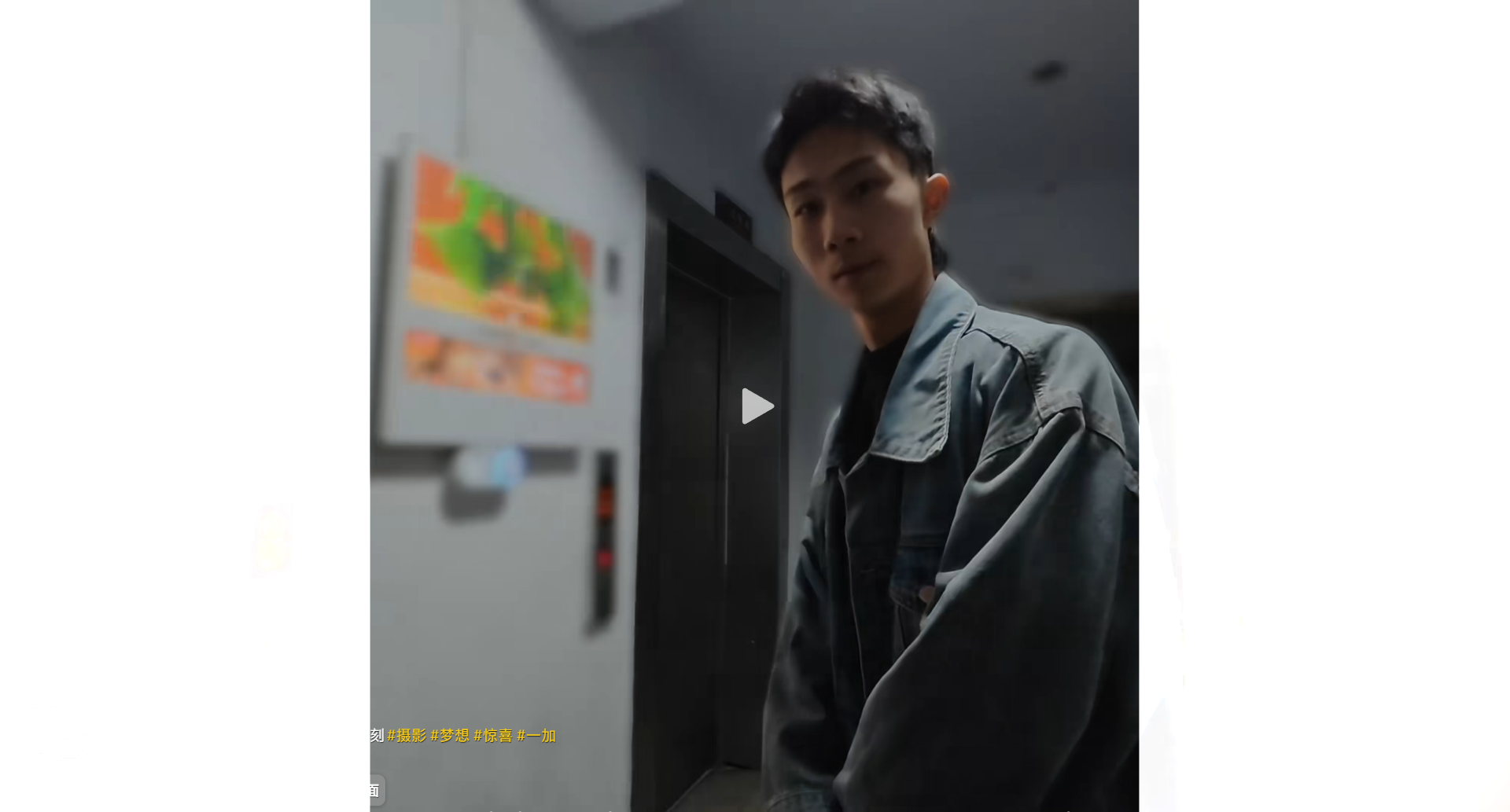
A heartwarming short film depicting a young man’s pursuit of photography and his desire to honor his mother has sparked intense debate. It blends raw ambition with tender family bonds, challenging the notion of a “standard” life path.
The Story
The narrative unfolds through dual storylines centered on a struggling young photographer and a former industry insider seeking redemption. After being fired for a technical dispute, the protagonist encounters a determined youth who refuses to abandon his camera despite financial hardship. The young man’s primary motivation is deeply personal: he aims to earn enough to buy his mother a gold necklace, not just as a gift, but as a symbol of dignity and pride in front of relatives.
Moved by this unwavering dedication, the narrator uses his connections to help the youth secure work, exchanging support for the chance to document his journey. The climax reveals that the narrator had long suppressed his own creative ambitions due to societal pressures. By facilitating the youth’s success, he reconciles with his past self. The story culminates in a poignant moment where the narrator gifts his personal smartphone and camera to the young man, urging him to keep recording his truth. This act transforms a simple transaction into a passing of the torch, illustrating that passion itself is the answer to life’s uncertainties.
The Voices
01. The Symbolism of Filial Piety
“Buying mom a gold necklace is about wanting her to have face.”
“The gold necklace isn't just a gift; it's confidence.”
“When the son let go and the necklace slipped off...”
Think Tank Insight: The comments reveal a collective emotional resonance with the concept of “face” as an expression of love. Viewers interpret the material gift not as vanity, but as a tangible manifestation of a child’s desire to elevate their parent’s social standing, highlighting a deep cultural layer of filial devotion.
02. Authenticity vs. Commercial Intent
“So what if it's acted? Does it have to be a true story?”
“It's just acting. Can't you tell this is a promo?”
“Gifting a OnePlus? You really know how to move...”
Think Tank Insight: A significant portion of the audience remains skeptical of the narrative’s origins, detecting subtle product placements. However, many defend the artistic value regardless of commercial backing, suggesting that modern viewers are increasingly pragmatic—they judge content by its emotional impact rather than its purity from advertising.
03. The Heroism of Ordinary Dreamers
“Dream chasers are the coolest; that describes them perfectly.”
“Bro, you're a real man [clever]”
“Even if I wanted to buy it, there's no one left...”
Think Tank Insight: The figure of the persistent underdog generates strong admiration. Comments underscore a societal hunger for stories that validate non-traditional paths to success. The “real man” trope here is redefined not by wealth, but by resilience and integrity, offering comfort to those navigating precarious economic realities.
Word Cloud
| Sentiment Dimension / Observation Lens | Group Consensus Share |
|---|---|
| Filial Piety and Emotional Resonance | 45% |
| Commercial Skepticism and Authenticity | 30% |
| Admiration for Ordinary Heroism | 25% |
The Truth
Data Summary: Approximately 75% of comments express positive emotional engagement focused on dream-chasing and family values, while 25% exhibit skepticism regarding the video’s commercial nature.
Observer's Takeaway: The viral spread of this content reflects a societal yearning for narratives that reconcile individual ambition with traditional family duties. While audiences remain vigilant against hidden advertising, their willingness to embrace the story suggests a shift in media consumption: authenticity is now measured by emotional truth rather than factual origin. The controversy over the product placement does not diminish the core message; instead, it highlights a complex viewer psychology that demands both artistic sincerity and transparency in the digital age.
- 选片加修38张,付了5000元。不到10分钟,照片就交了
- 夫妻相是選出來的:擇偶偏好早就寫在基因裡
- The Illusion of Transformation: When Makeup Tutorials Spark Identity Debates
- 爆改還是詐騙?萌妹妝教學引發「底子論」與技術流的大對決
- No Standard Answer: How Passion and Filial Piety Redefine Success
- AI鏡頭下的溫情敘事:當熱愛成為人生唯一的標準答案
- The ‘Amateur’ Myth: How a Small Korean Studio Redefined Beauty Standards
- 韓系小作坊妝造實測:素顏底子與民間高手的雙重奇蹟
- Golden Coast Luxury Meets Cinematic Ambition
- 挑戰拍遍澳洲豪宅:黃金海岸水邊別墅的「電影感」與「跑路梗」

全部评论