One Hundred Million for a Marriage License
The ink on the marriage certificate was barely dry when the truth hit. Two people, coerced by their elders into signing papers, suddenly recognized each other in that sterile office. The air changed instantly. What began as a transactional nightmare shifted into a high-stakes game of recognition and regret.
The Price Tag on Love
The plot hinges on a forced union. Both families pressured the couple to marry, treating the relationship like a business deal. Then came the twist: they knew each other. Not just vaguely, but intimately enough to make the silence loud. This isn't about romance blooming from nothing; it is about history resurfacing under duress.
Audience reactions focus heavily on the monetary aspect of these arranged unions. One commenter noted, 「The highest price used to be 5 million, now it'...」 while another observed, 「Hahaha, everything is going up in price.」
This reflects a cynical view of modern matchmaking. When love is commodified, the audience watches the exchange rate fluctuate with amusement rather than horror. They see the absurdity of putting a number on compatibility.
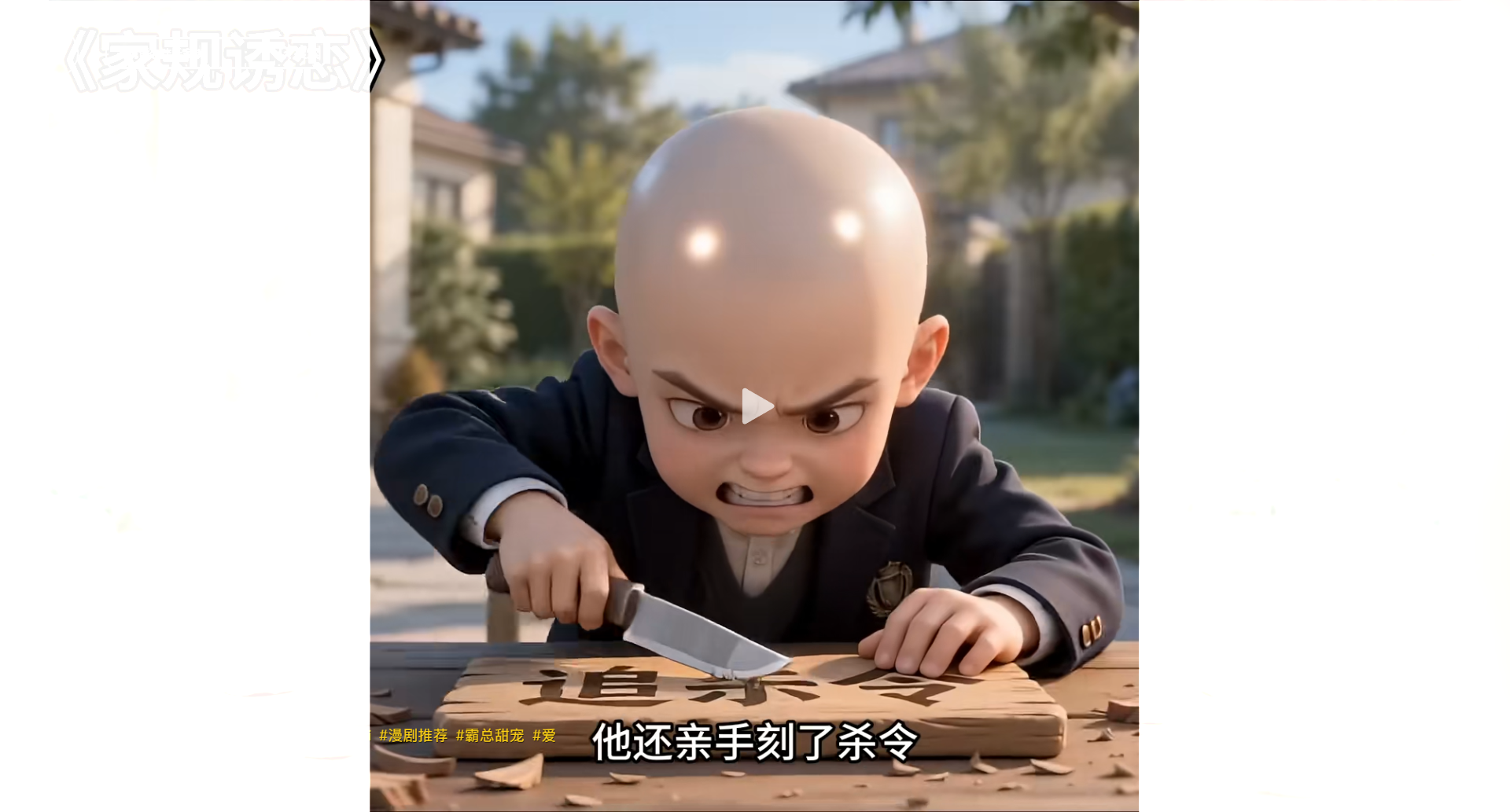
Faces That Betray Secrets
Visuals carry the weight here. The drama relies on micro-expressions to convey the shock of recognition. Viewers are obsessed with how the characters look at each other. One comment stated, 「Look at that mother's eyes.」 Another pointed out, 「The one with black hair is handsomer than the o...」
There is a debate about character consistency too. 「How is this not the same person? One has black ...」 suggests confusion over visual continuity or perhaps AI generation artifacts. Yet, the emotional core remains: the face reveals what the mouth cannot say. The tension lies in the gap between public compliance and private recognition.
| Emotional facet / observation dimension | Group consensus share |
|---|---|
| Visual Consistency & Appearance | 40% |
| Monetary Value of Relationships | 35% |
| Anticipation for Next Episode | 25% |
The Wait for Resolution
The most dominant theme is impatience. The story stops right at the cliffhanger of recognition. Comments flood in with demands: 「Waiting for the sequel.」 and 「Where can I watch it? Where can I watch it? [bi...」
This urgency indicates that the hook worked. The audience doesn't want a resolution yet; they want the next beat of the dance. The mystery of *why* they were forced together and *what* happens now that they know each other drives the engagement more than any dialogue could.
Some viewers found humor in the technical glitches or acting choices. 「Hahaha, the AI settings weren't adjusted properly.」 adds a layer of meta-commentary. It breaks the immersion for some, but for others, it highlights the artificial nature of the genre itself. We are watching constructed emotions, and sometimes the construction shows.
Beyond the Screen
The narrative pauses, leaving the couple standing in the aftermath of their revelation. You don't have to wait for the next update to feel the sting of that moment. On Palmbox, you can explore different endings where the coercion leads somewhere else entirely. Maybe they run. Maybe they fight back. The choice shifts from passive acceptance to active decision-making. The platform lets you steer the car when the road forks.
Recognition changes everything. Silence becomes louder than words.

- 选片加修38张,付了5000元。不到10分钟,照片就交了
- 夫妻相是選出來的:擇偶偏好早就寫在基因裡
- The Illusion of Transformation: When Makeup Tutorials Spark Identity Debates
- 爆改還是詐騙?萌妹妝教學引發「底子論」與技術流的大對決
- No Standard Answer: How Passion and Filial Piety Redefine Success
- AI鏡頭下的溫情敘事:當熱愛成為人生唯一的標準答案
- The ‘Amateur’ Myth: How a Small Korean Studio Redefined Beauty Standards
- 韓系小作坊妝造實測:素顏底子與民間高手的雙重奇蹟
- Golden Coast Luxury Meets Cinematic Ambition
- 挑戰拍遍澳洲豪宅:黃金海岸水邊別墅的「電影感」與「跑路梗」

全部评论