Why AI Short Dramas Are Winning With Stories
A short drama with no famous faces is outperforming productions built on stars, big-name directors and nine-figure budgets. The winning ingredient is not the AI. It is who is writing now.
The best AI short dramas share a clear pattern. History pieces are grounded: the script is researched, the sets and costumes are period-accurate, the facts are respected. Everyday-life dramas follow the way ordinary people actually think and choose. War scenes stop being mindless charges; they show tactics, supply lines, communications and logistics, and the cruelty of battle alongside the strength of organization. Even patriotic pieces carry real emotional weight instead of slogans.
Why did a wave of good AI dramas appear in just a few years? Not because the AI video tools themselves got good. Because a large group of knowledge workers with full higher educations walked into the creator track.
For decades, the film industry handed its power of decision to capital, star directors and traffic celebrities. A project was greenlit not on script quality but on whether famous actors could be signed. Scripts were rewritten for traffic — studios forced in love scenes and changed character settings, stars altered their lines and cut their co-stars' scenes, directors ignored historical facts for the sake of drama. The writer's voice was crushed layer by layer, and the finished product hid a hollow, logic-broken script under beautiful costumes.
AI short dramas changed the production structure itself. No camera crews, no sets, no post-production pipeline, no hundred-million budgets, no star schedules, no giant teams. One laptop, one AIGC toolchain, a small team — or a single person — can finish an entire work. Capital stopped being the highest barrier. Star power stopped being the core of a project. The right to create went back to the people who write stories.
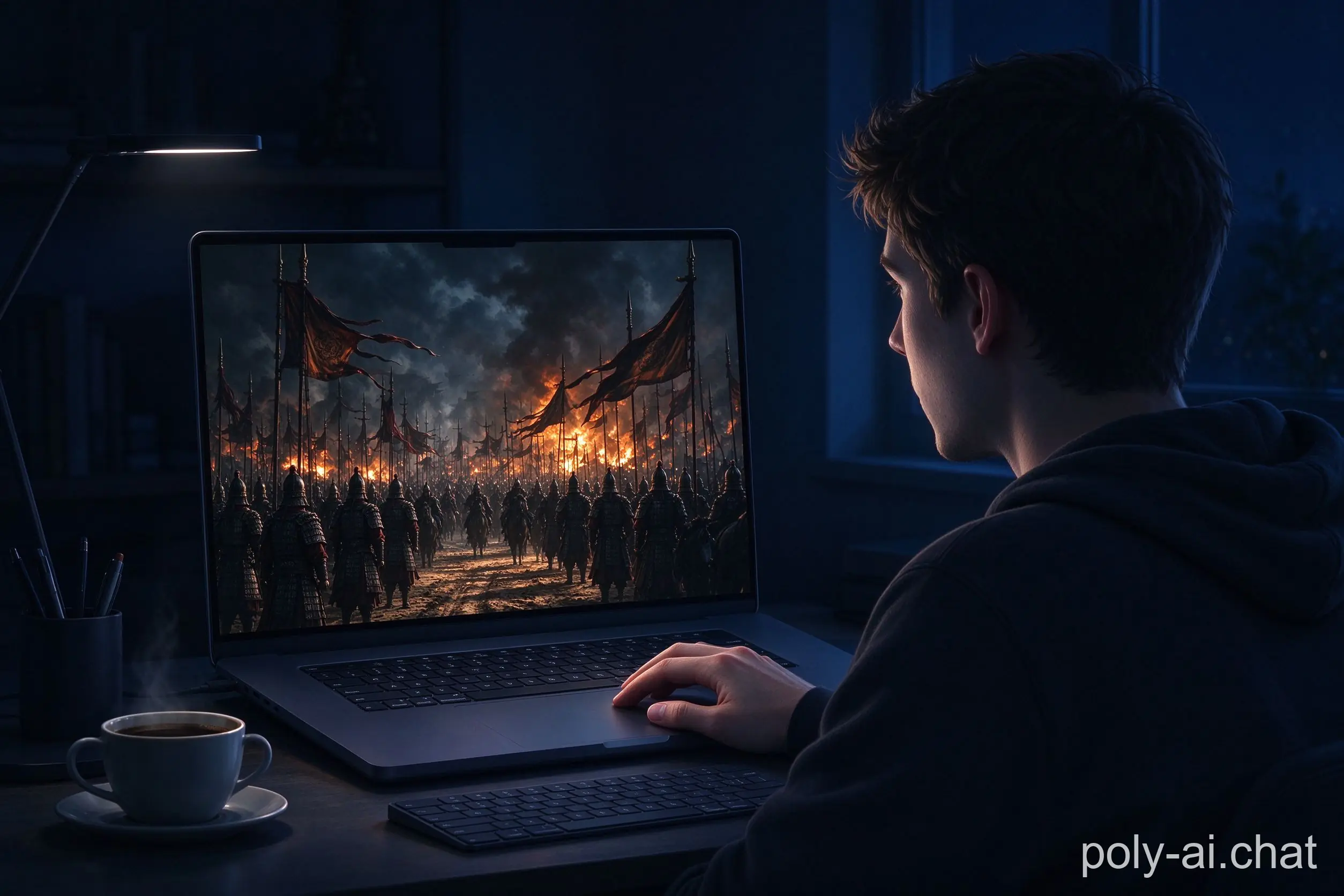
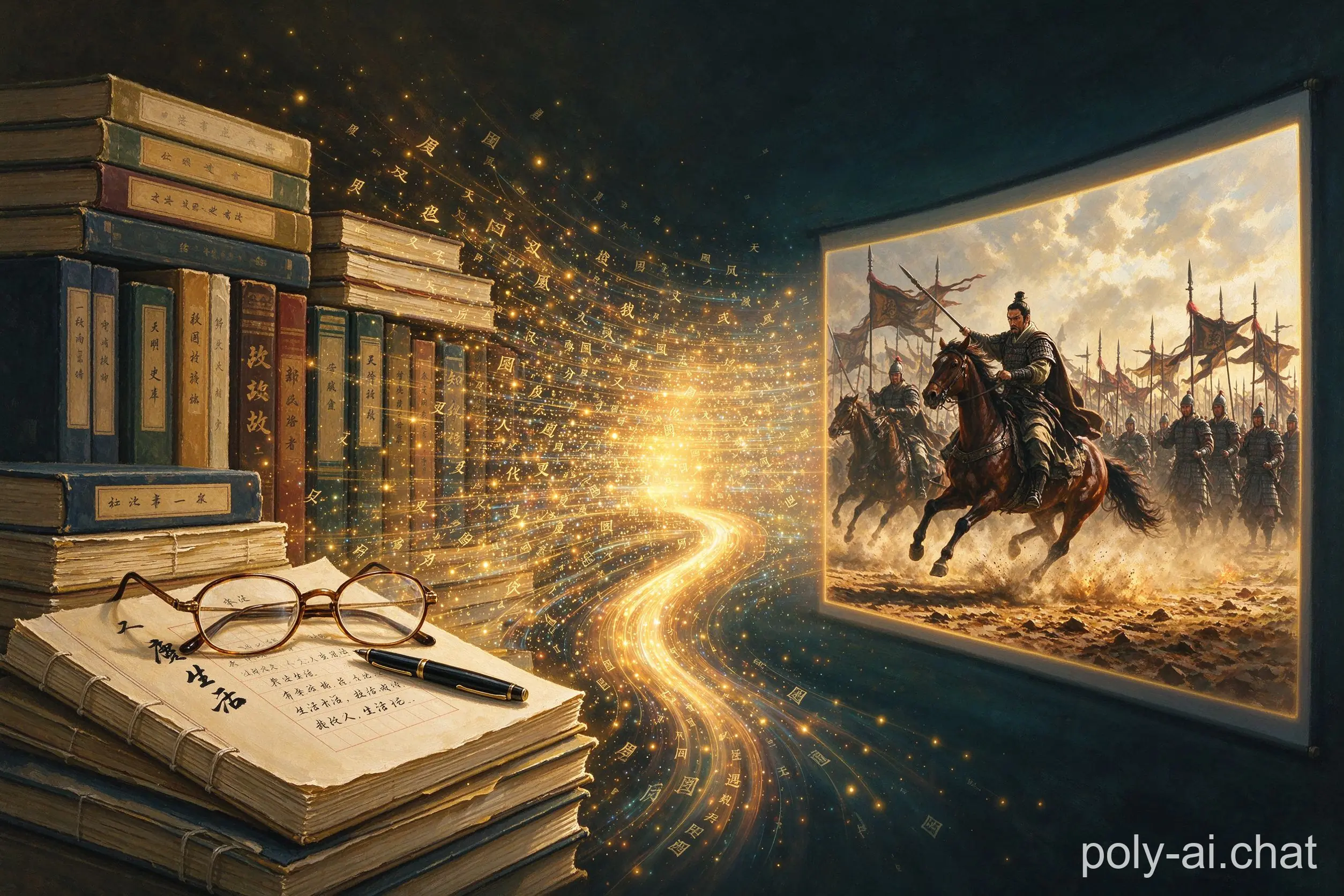
Many of the new entrants come from literature, history, military studies and economics, and they bring their knowledge with them. History writers open archives and verify period costumes, institutions and social customs. War writers study tactics and logistics — understanding that a battle is never won by courage alone, and that grain, communications, intelligence, casualty evacuation and command decisions all matter. Real-life writers have lived the pressure of ordinary survival and do not invent a delivery rider's life from a penthouse.
[IMAGE 2 — 上传 img_02.webp:Knowledge-to-story pipeline — archives, tactics books, daily life notes flowing into a drama frame]
The lesson is an old one: the foundation of a culture industry is always culture-makers, not actors. Stars perform stories; directors organize them; the soul of a work belongs to its writer. The classic example is Chen Kaige's Farewell My Concubine, whose screenwriters Lu Wei and Lilian Lee refused to let the script be rewritten, and the film only gained depth because of it. [1] A star's face adds exposure. It cannot fix a hollow script, fill a gap in common sense, or repair a broken story.
The most remarkable change is in who owns the tools.
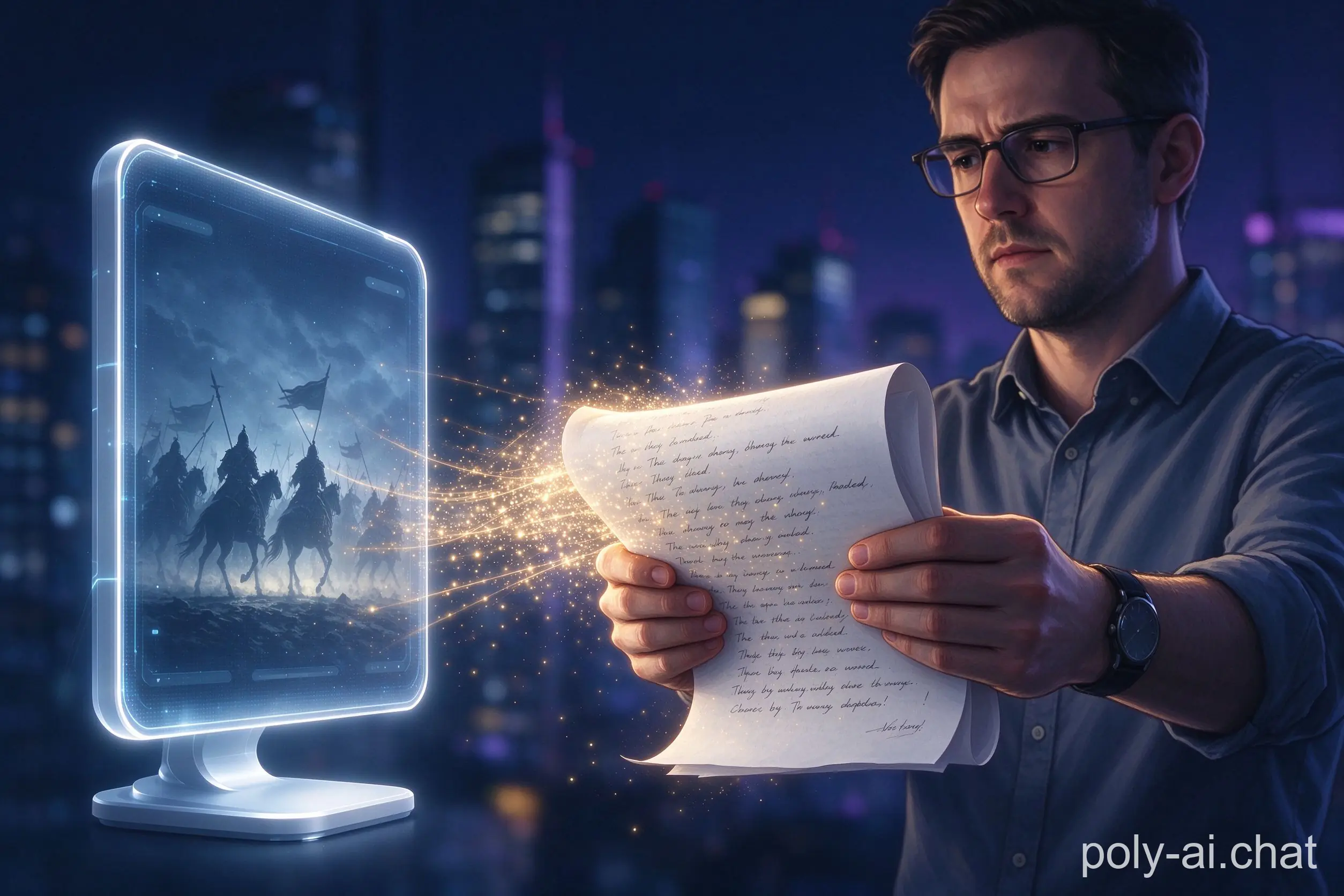
AI is only a tool — it turns the story in a creator's head into visible images and lowers the barrier to entry. But without the creator's accumulated knowledge, the most powerful AI tool only produces formulaic, hollow fast-food dramas. The underlying logic of storytelling has not changed since the Four Great Classical Novels: works that last were built on an author's learning and insight into people, not on star power. [2
AI has done something rarer than a technical upgrade: it opened the door of creation to ordinary people, so that knowledgeable, idealistic writers no longer need to attach themselves to big capital and big teams. The competition ahead in entertainment will not be about who can sign the biggest star or spend the most on promotion. It will be about the creator's cultural depth, thinking and empathy.
When creators hold the pen, works return to their root. Stars can be the garnish; culture is the meal. And when the tide of an era decides to leave a business model behind, it does not knock first.

Related reading

DeepSeek's Thinking Upgrade: One Model, Two Minds

AI Consumer Spending: Only Power Users Pay

Why Tencent Is Renting Oracle's AI Chips: $7B Deal
References
Chen Kaige. Farewell My Concubine (1993) — screenwriters Lu Wei and Lilian Lee. https://www.imdb.com/title/tt0106332/
Classic Chinese Novels — the Four Great Classical Novels. https://en.wikipedia.org/wiki/Classic_Chinese_Novels
- Weekly Sex Delays Menopause — 2,936 Women, 10 Years
- 每週性生活,絕經更晚:2936 名女性追蹤 10 年的證據
- Giant Water Lily: A New Species Hidden in a Selfie
- 王蓮新物種:一張自拍發現的巨型睡蓮
- 爛牙到腦出血:口腔感染如何攻入大腦
- AI 短劇為何能講出好故事?
- Why AI Short Dramas Are Winning With Stories
- Tapeworm From Raw Fish: Why It Grows to 4.5 Meters
- 生魚片寄生蟲:闊節裂頭絛蟲為何能長到 4.5 米
- 皺紋類型:為何「塗抹式肉毒」不是肉毒
全部评论