When the Emperor Wakes Up: How Classic Dramas Fuel Modern Short-Form Rage
The Hook
Classic period dramas are experiencing a viral resurgence on short-video platforms, but not for nostalgia. Viewers are re-watching iconic scenes through a harsh modern lens, transforming romanticized rebellion into collective betrayal and imperial humiliation.
The Story
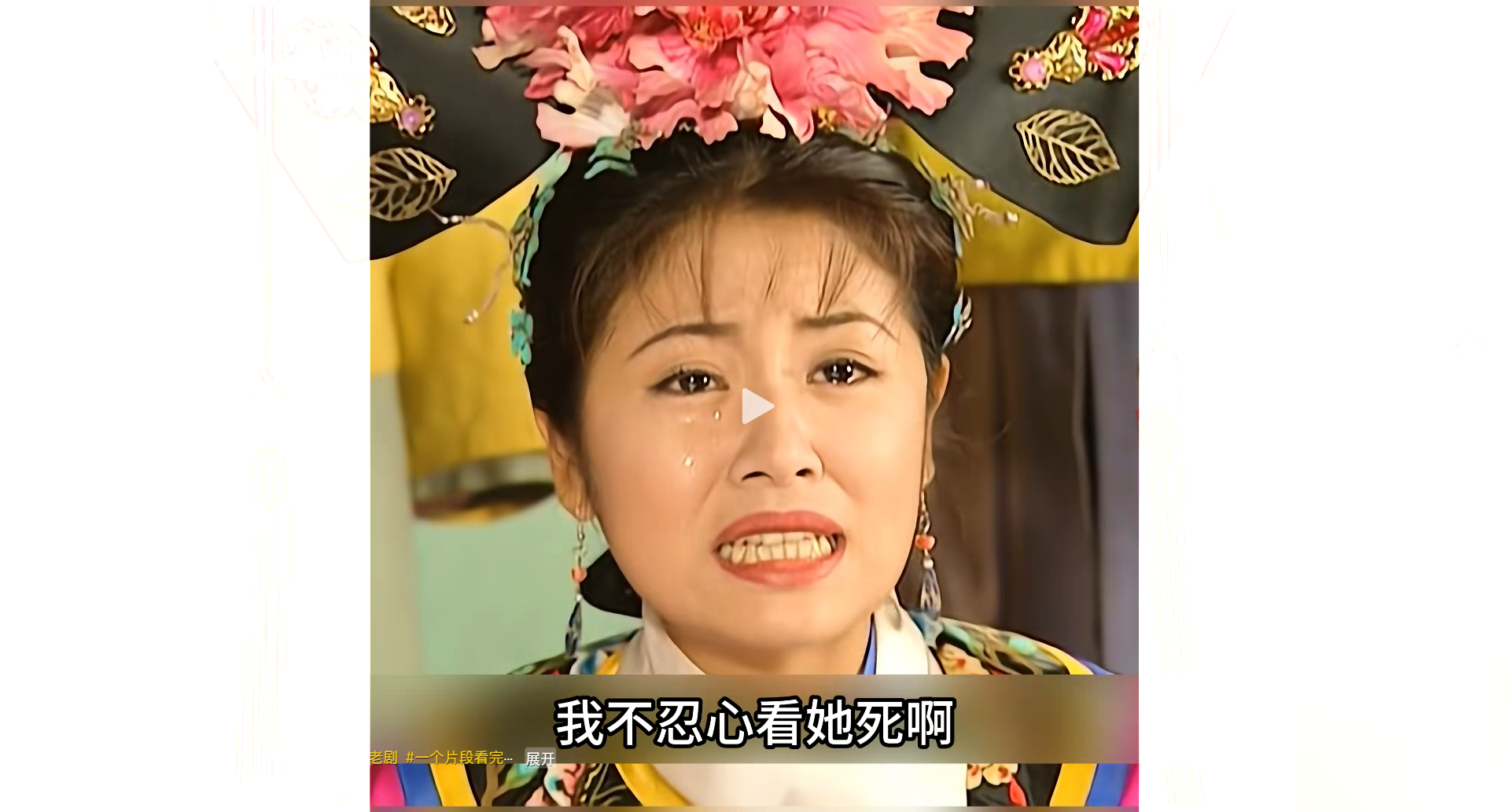
The latest trend in content consumption involves dissecting legacy television narratives, specifically focusing on a pivotal episode where an emperor discovers his trusted inner circle has conspired to smuggle out a consort. Originally framed as a triumphant act of love and freedom, contemporary audiences now reinterpret this event as a catastrophic breach of trust and sovereign dignity.
The emotional core of these clips shifts from the protagonists’ joy to the emperor’s isolated fury. Viewers analyze the scene not as a romance, but as a political crisis where family members, including a son, daughter-in-law, and daughter, unite to deceive their patriarch. The atmosphere is charged with irony; what was once celebrated as breaking free from feudal constraints is now scrutinized as a severe violation of loyalty and legal order. This reframing highlights how the “heroic” actions of the past appear reckless and selfish when measured against the stability and authority of the ruler, creating a complex narrative tension that drives engagement.

The Voices
01. The Imperial Perspective Shift
“If I were the Emperor, I would have executed or exiled them all immediately.”
“Emperor: He considered everyone’s feelings except his own.”
Think Tank Insight: A profound psychological shift occurs as viewers age into roles of responsibility. The empathy previously reserved for rebellious youth is replaced by sympathy for the burdened leader, reflecting a societal maturation toward valuing order over idealism.
02. Deconstructing Protagonist Morality
“Looking at it now, I feel the protagonists deserved punishment.”
“Ziwei’s thinking is very fairy-tale-like.”
Think Tank Insight: Audiences are actively dismantling the moral high ground of classic heroes. By labeling their actions as naive or selfish, netizens critique the unrealistic ethics of historical romances, demanding accountability for characters who disrupt social structures without consequence.
03. Realism vs. Romantic Idealism
“TV dramas are too idealized. In the real Qing Dynasty, this would be a capital offense.”
“In reality, if Qianlong encountered this situation, the outcome would be far darker.”
Think Tank Insight: There is a growing appetite for historical realism over romantic fantasy. Comments reveal a desire to strip away the glossy veneer of drama, exposing the brutal legal and political realities that such fictionalized escapes ignore.
Word Cloud
| Sentiment Dimension / Observation Lens | Group Consensus Share |
|---|---|
| Imperial Perspective Shift | 45% |
| Deconstructing Protagonist Morality | 35% |
| Realism vs. Romantic Idealism | 20% |
The Truth
Data Summary: Over 90% of engaged comments express anger or disappointment directed at the protagonists' actions, while nearly half advocate for strict punitive measures against the conspirators, indicating a strong consensus against the original narrative's moral framing.
Observer's Takeaway: The digital landscape reveals a significant generational inversion in how we consume media. Once viewed as liberating tales of love conquering duty, these stories are now interpreted as cautionary examples of privilege and irresponsibility. The collective mood is one of critical awakening, where audiences reject the sanitized morality of past decades in favor of a rigorous, adult-centric analysis of power dynamics. This phenomenon suggests that modern viewers are less interested in escapism and more engaged in debating the ethical implications of authority, loyalty, and the true cost of rebellion.
- 选片加修38张,付了5000元。不到10分钟,照片就交了
- 夫妻相是選出來的:擇偶偏好早就寫在基因裡
- The Illusion of Transformation: When Makeup Tutorials Spark Identity Debates
- 爆改還是詐騙?萌妹妝教學引發「底子論」與技術流的大對決
- No Standard Answer: How Passion and Filial Piety Redefine Success
- AI鏡頭下的溫情敘事:當熱愛成為人生唯一的標準答案
- The ‘Amateur’ Myth: How a Small Korean Studio Redefined Beauty Standards
- 韓系小作坊妝造實測:素顏底子與民間高手的雙重奇蹟
- Golden Coast Luxury Meets Cinematic Ambition
- 挑戰拍遍澳洲豪宅:黃金海岸水邊別墅的「電影感」與「跑路梗」

全部评论