The Cliffside Betrayal: When Ancient Revenge Meets Modern Skepticism
The Hook
A gripping short drama scene featuring a female warrior betrayed by her brother has sparked intense debate. While the plot delivers satisfying revenge arcs, viewers are increasingly questioning the logistical plausibility of cross-dressing in ancient warfare.
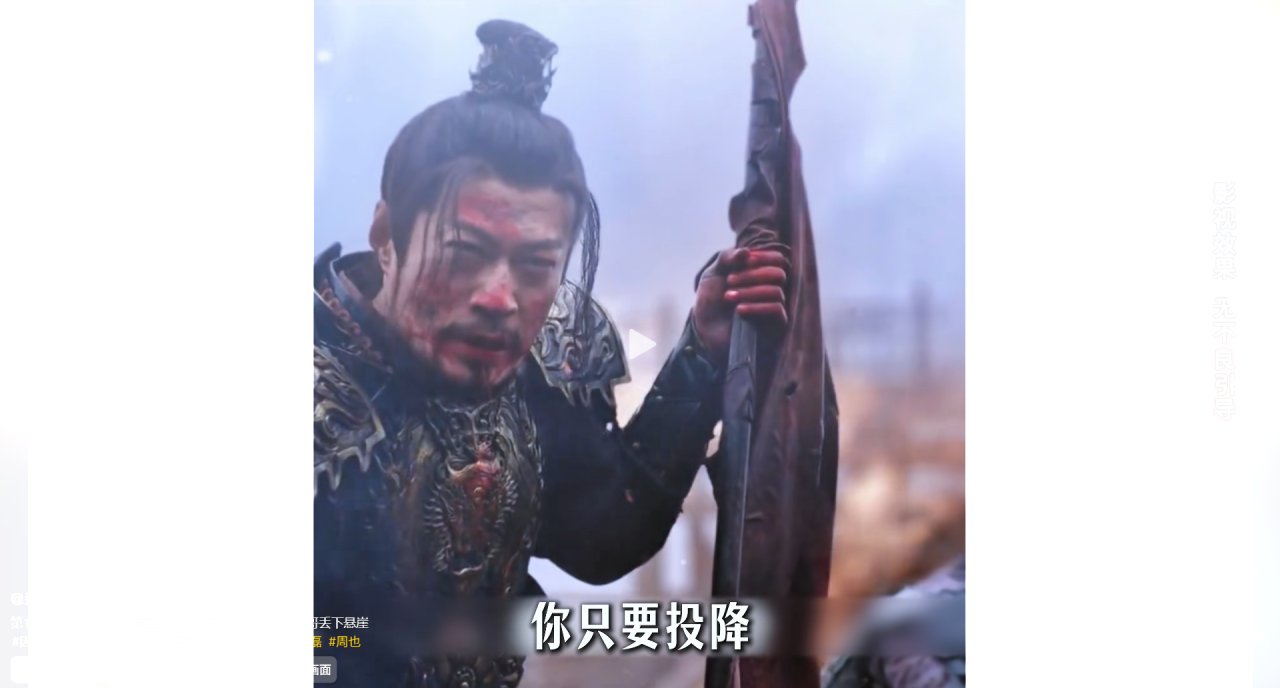
The Story
The narrative centers on He Yan, a skilled general who disguised herself as a man to serve in the army and achieve military glory. In a dramatic twist, her brother steals her achievements and attempts to kill her by pushing her off a cliff. Presumed dead, He Yan returns under a new identity, determined to reclaim her honor and exact revenge on her family. This classic "face-slapping" structure is designed to maximize emotional engagement, leveraging the popular trope of hidden identities and familial betrayal. However, the visual execution has triggered a wave of commentary that extends beyond the plot into the realm of production logic and audience suspension of disbelief.
The Voices
01. The Logistics of Disguise
“How did she handle her voice? Men and women have different heights.”
“Do you think they're blind? Or do you think the soldiers were just stupid?”
“An undefeated general can't beat an assassin. I've noticed that villains always like to throw people off cliffs.”
Think Tank Insight: Viewers are applying modern logical scrutiny to historical fantasy tropes. The consensus suggests that while the emotional payoff is high, the mechanical plausibility of the disguise—specifically regarding height, voice, and combat realism—is breaking immersion for critical audiences.
02. Short Drama Fatigue vs. Adaptation Quality
“This is just the plot of a short drama. It's just a TV show.”
“The novel is great, but the TV adaptation is awful.”
“I've listened to this audiobook before. I think I've seen the short drama version.”
Think Tank Insight: There is a clear divide between fans of the source material and casual viewers. Critics argue that the adaptation suffers from poor pacing or acting, while others dismiss the absurdities as inherent to the low-cost, high-intensity format of viral short dramas.
03. Casual Consumption and Star Power
“Good for eating with meals. Watching it now.”
“Zhou Ye? Tan Kai, right? Is this a new series or an old one?”
“Fans don't find it awkward; they think it's very cool.”
Think Tank Insight: A significant portion of the audience treats this content as background entertainment. Identification of actors drives curiosity, and for many, the lack of strict logical coherence is irrelevant compared to the aesthetic appeal and the familiar comfort of the revenge genre.
Word Cloud
| Sentiment Dimension / Observation Lens | Group Consensus Share |
|---|---|
| The Logistics of Disguise | 45% |
| Short Drama Fatigue vs. Adaptation Quality | 30% |
| Casual Consumption and Star Power | 25% |
The Truth
Data Summary: Approximately 90% of comments focus on plot mechanics and production quality, with a strong sentiment split between those demanding logical consistency and those accepting the genre's conventions for entertainment value.
Observer's Takeaway: The reaction to this clip highlights a maturing audience for short-form video content. While the "revenge" hook remains effective, viewers are no longer passive consumers; they actively critique the internal logic of costumes, casting, and script holes. The controversy over the female disguise reflects a broader tension between creative convenience and realistic storytelling expectations. Ultimately, the piece succeeds as a viral teaser precisely because its flaws are as discussable as its plot twists, driving traffic through polarized engagement rather than universal acclaim.

- The Cliffside Betrayal: When Ancient Revenge Meets Modern Skepticism
- 女扮男裝奪功遭親哥推下懸崖?古裝短劇「強反轉」背後,觀眾為何邊罵邊看?
- Infinite Supplies, Finite Patience: The Train Survival Drama Hits a Speed Bump
- AI漫劇《無限物資》第17集陷「更新焦慮」:劇情跑題與遊戲亂入引發觀眾吐槽
- The Iron Fist of Justice: Why Audiences Are Obsessed With This 'Rogue' Police Chief
- 鐵腕整肅內鬼!3D漫劇《悍匪局長》引發清官情結與現實反思熱議
- 陸光解不開的死結:反派有掛,主角只能靠命換
- The Man Who Cannot Save Everyone
- 拉閘斷電換十點聲望:穿越者不賺錢,只負責讓說唱圈閉嘴
- The Rap Champion Pulled the Plug to Save a Feud

全部评论