Is the smell of a dishcloth the result of bacterial metabolism?
Many people wonder where that lingering smell in the fridge or on a dishcloth comes from. This article explains the microscopic biological processes behind common household odors.
The core question is simple: what invisible organisms are responsible for the scent of stale food or damp fabric? By understanding bacterial metabolism and fungal growth, we can better manage hygiene without relying on harsh chemicals or guesswork.
【Image: Close-up of a sponge with visible moisture droplets】
Is the smell of a dishcloth the result of bacterial metabolism?
A wet dishcloth left on a counter often develops a sour odor within hours. This is not just water evaporating; it is the metabolic byproduct of bacteria multiplying in the moist fibers. Common household bacteria break down organic residues from food, releasing volatile compounds that our noses detect as unpleasant smells.
Similarly, the inside of a refrigerator may smell even when it looks clean. Low temperatures slow down but do not stop microbial activity. Yeasts and molds can grow on spilled juices or expired produce, creating distinct musty or sweet-sour aromas that signal their presence long before they become visible to the naked eye.
【Image: Inside a refrigerator shelf with slight condensation】
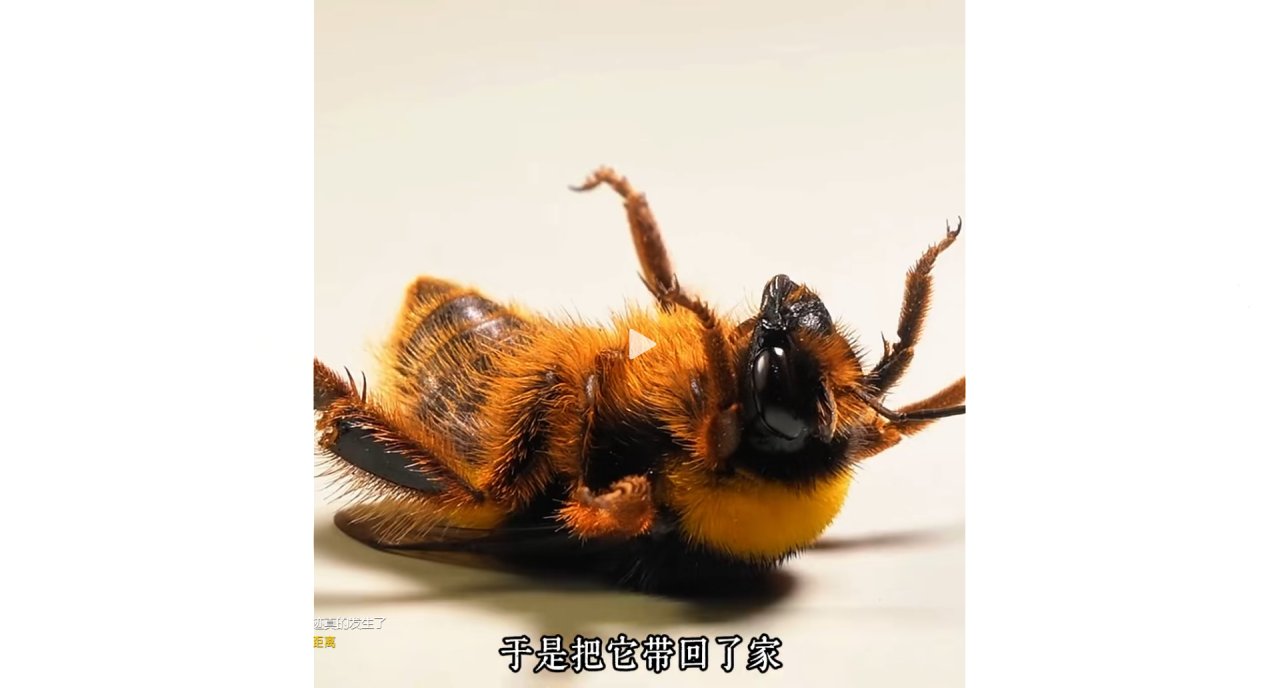
Why can't we see the source of the odor?
Individual bacteria are typically between 0.5 and 5 micrometers in size, far below the resolution limit of human vision. A colony of millions might appear as a tiny speck, but the individual cells causing the smell remain invisible. Mold hyphae, which spread through surfaces, are also microscopic until they form large enough clusters to be seen as fuzz or discoloration.
This invisibility leads to a misconception: if you cannot see dirt, you assume the surface is clean. However, odor is often the first indicator of microbial activity. Relying solely on visual inspection misses the early stages of contamination where microbes are actively metabolizing nutrients.
【Image: Diagram comparing naked eye view vs microscope view of a fiber】

FAQ: Common Questions About Kitchen Hygiene
Q: Can dust mites cause kitchen smells? A: Dust mites primarily inhabit bedding and carpets, feeding on skin flakes. They are not significant contributors to kitchen odors, which are usually driven by bacteria and molds processing food waste.
Q: Does bleach remove all kitchen odors? A: Bleach kills many microbes and removes stains, but it does not always eliminate the source of the smell if organic residue remains. Thorough cleaning to remove food particles is often more effective than disinfection alone.
Q: How quickly do bacteria multiply on a wet cloth? A: Under ideal warm and moist conditions, some common bacteria can double in number every 20 minutes. This rapid growth explains why odors develop so quickly after washing dishes.
【Image: Time-lapse illustration of bacterial growth curve】
Scientific Analysis of Microbial Growth Conditions
Microbial growth depends on four main factors: nutrients, moisture, temperature, and time. Kitchens provide an abundance of all four. Food scraps offer carbohydrates and proteins, sponges retain water, room temperatures are often optimal for mesophilic bacteria, and neglect allows time for colonies to expand.
When we smell something "off," we are detecting chemical signals like ammonia, sulfur compounds, or fatty acids produced during this breakdown process. These molecules diffuse into the air and bind to olfactory receptors. The intensity of the smell correlates with the population density of the microbes, not necessarily with visible dirt.
Understanding this helps us realize that hygiene is about managing these environmental conditions. Drying out sponges, removing food residues promptly, and controlling humidity levels reduce the resources available for microbial proliferation, thereby minimizing odor production naturally.
【Image: Split screen showing dry vs wet sponge under magnification】
Using Digital Tools for Safe Observation
Directly handling potentially contaminated items under a physical microscope requires careful safety protocols and specimen preparation. For everyday curiosity, digital tools offer a safer alternative. The Heli Microscope app provides simulated microscopy experiences with built-in AI tutor explanations and high-definition digitized specimens. It allows students and families to explore the microscopic world of bacteria, mold, and fibers without the risk of handling dangerous physical samples. This approach makes science accessible and encourages observation habits that translate to real-world hygiene awareness.
Conclusion
Kitchen odors are reliable indicators of microbial activity, even when surfaces look clean. By recognizing that invisible bacteria and molds drive these smells, we can focus on drying surfaces and removing food residues rather than just masking scents. Try observing a used sponge or a drop of juice using a digital microscope tool to visualize the potential scale of microbial life in your home.
This article contains promotional content
- People Who Call Short Dramas Brain-Rot Never Did the Math
- When Viewers Trash AI Dramas, What They're Really Trashing Isn't AI — It's Lazy Storytelling
- 罵短劇降智的人,多半沒算過這筆帳
- 觀眾罵AI短劇,罵的不是AI,是糊弄
- Dormitory Horror: Why Rule-Based AI Thrillers Are Sparking Debate
- AI規則怪談新爆款?《未終之境》引發無限流題材原創性與觀感大辯論
- The Glitch in Destiny: AI Drama Sparks Debate on Fate, Free Will, and Digital Realism
- AI懸疑短劇爆紅!「女兒穿越救父」引發時空悖論熱議,網友驚呼:分不清真假
- AI Short Drama Sparks Debate: The Unsolvable Love Game
- AI短劇《攻略》爆紅:當「愛神」遇上「財神」,網友集體破防的荒誕浪漫
全部评论