A viral video contrasting 2012 and 2026 has sparked a poignant debate on nostalgia versus self-growth. Instead of longing for youth, viewers are urging the creator to embrace her present, redefining how we view aging and personal evolution in the digital era.
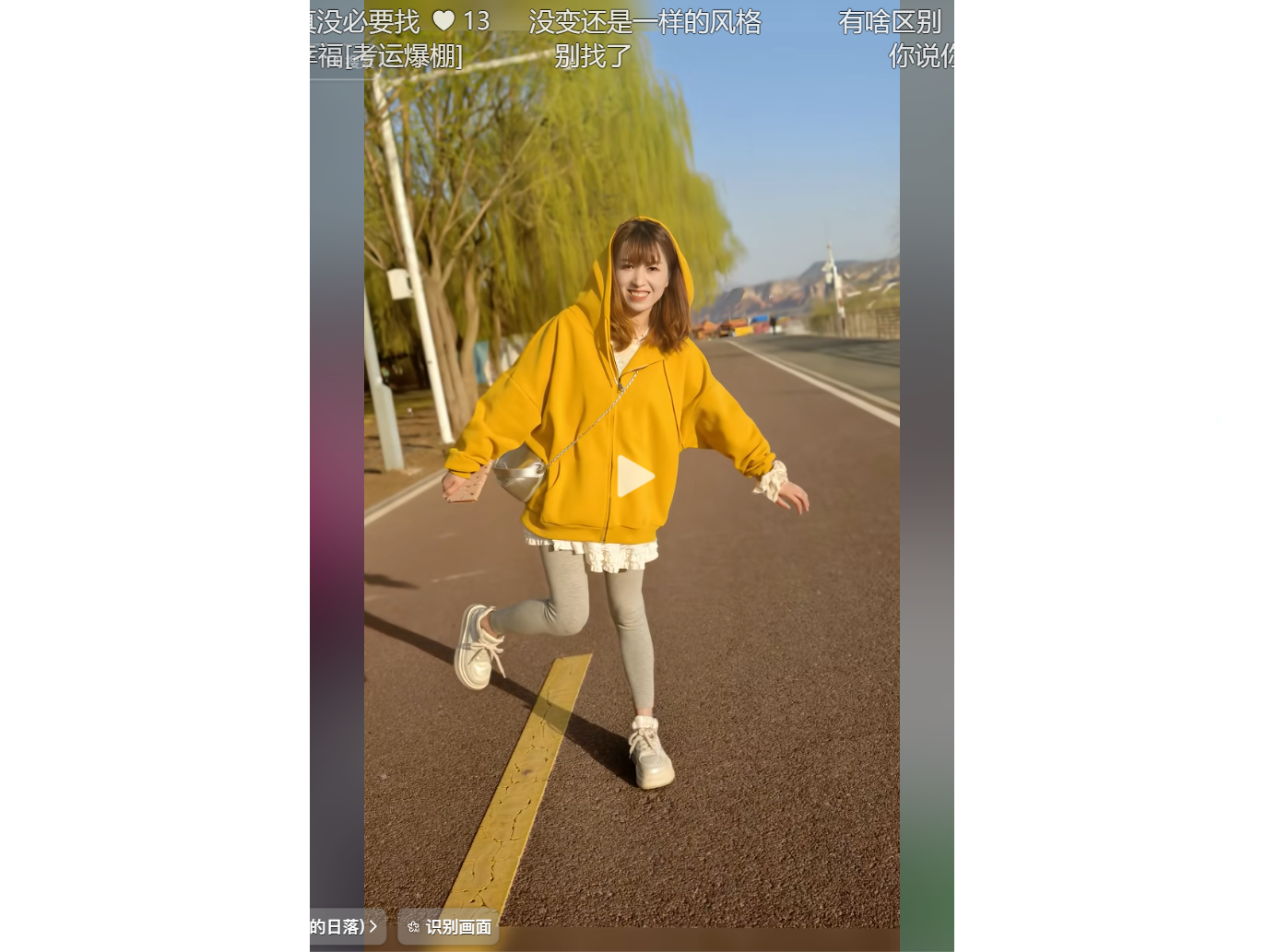
The video presents a tender yet striking juxtaposition labeled "2012 VS 2026," capturing the essence of irretrievable youth through the lens of a working woman’s life. On one side, grainy footage reveals the awkward charm of campus days, characterized by thick bangs and the distinct "non-mainstream" aesthetic of the early 2010s. On the other, polished clips showcase a mature professional navigating modern urban life with confidence. While the visual narrative initially suggests a melancholic longing for lost innocence, the creative angle pivots toward empowerment. The emotional atmosphere is not one of regret, but of complex reconciliation. The transition from a shy girl hiding behind heavy fringe to a woman who maintains her physique and inner light illustrates that while time cannot be reversed, the person one becomes is often far more valuable than the person they were. It transforms a simple throwback trend into a profound commentary on self-acceptance, suggesting that the best version of oneself is not found in old photographs, but forged in the years since.
What Viewers Are Saying
"Young I dated a non-mainstream boyfriend for 5 years, and never saw his left eye even when we broke up." This comment serves as a humorous yet deeply relatable anchor for collective memory. It highlights the specific cultural markers of the 2012 era—the dramatic hairstyles and youthful impulsivity—that now seem almost alien. Beyond the comedy, it underscores a shared realization that our past selves operated under completely different social and aesthetic codes. The laughter here is a coping mechanism, allowing viewers to distance themselves from their own awkward histories while acknowledging them as essential chapters of growth.
"I was poor and fat when I was young. Now I am thin and living better. I don't like my former self." This perspective radically challenges the traditional nostalgia trap. In a comment section often dominated by romanticized memories, this viewpoint ass
erts that progress is linear and that the past does not always deserve reverence. It reframes the "before and after" trope from a celebration of eternal youth to a victory lap of personal development. This sentiment validates those who feel their current lives are superior to their origins, offering a counter-narrative to the pressure of missing "the good old days."
"Be good, listen to us, don't go looking for the past." Repeated in various affectionate tones throughout the discussion, this advice represents the community's protective stance toward the creator. It signifies a shift in audience engagement from passive consumption to active emotional support. Rather than encouraging the creator to dwell on what was lost, viewers are collectively affirming her present worth. This phrase encapsulates the core message of the thread: true maturity involves releasing the ghost of one's younger self to fully inhabit the capable adult one has become.
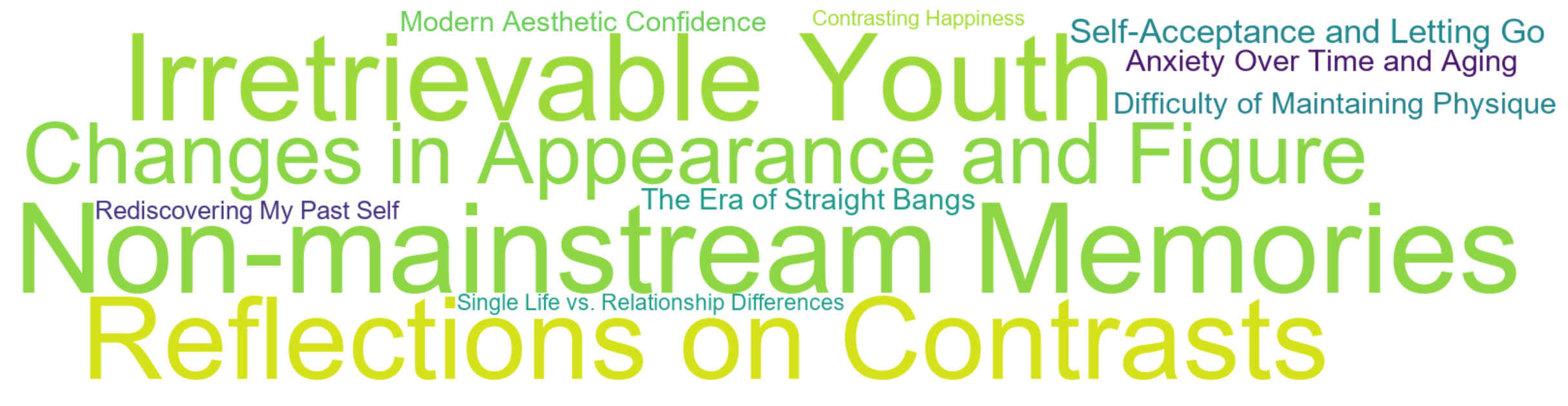
The comment section feels less like a public forum and more like an intimate reunion of peers who have survived the same turbulent decades. There is a pervasive sense of warm resignation mixed with celebratory pride; users are bonding over shared embarrassments like heavy bangs and eccentric ex-partners, yet the prevailing mood is overwhelmingly supportive of the present. The tone oscillates between self-deprecating humor about aging and fierce validation of current beauty and stability. It is a space where anxiety about getting older is soothed by the collective acknowledgment that, despite physical changes, the spark remains. The emotional trajectory moves swiftly from nostalgic ache to empowered acceptance, creating a digital sanctuary where growing up is framed not as a loss, but as a hard-won achievement.
As we reach the midpoint of 2026, the yunpoly editorial team extends its heartfelt gratitude to our readers for sharing such vulnerable and authentic reflections today. Your stories remind us that every wrinkle and gray hair tells a story of resilience, and that true beauty evolves alongside wisdom. Thank you for making our midday news a space of connection and mutual encouragement. We honor your journey, past and present, and wish you continued strength and joy in the chapters yet to be written.