Introduction
A viral office satire exposes the toxic paradox of modern cost-cutting measures, where rigid reimbursement policies sabotage business success. This midday update explores why employees are choosing malicious compliance over company loyalty when personal expenses outweigh corporate profits.
What It's About
This satirical video masterfully dissects the dysfunction of "one-size-fits-all" corporate austerity through three painfully relatable office scenarios. The narrative centers on the irreconcilable conflict between management’s demand to save money and the operational reality of getting work done. In one scene, an employee strictly adheres to a 20-yuan courier cap, causing sample delivery delays and client fury, only to be berated by managers who refuse to acknowledge their own flawed policy. Another segment highlights the absurdity of travel restrictions, where staff are forced to take 3,000-kilometer train rides because flight reimbursements require departure from Suzhou—a city famously lacking a commercial airport.
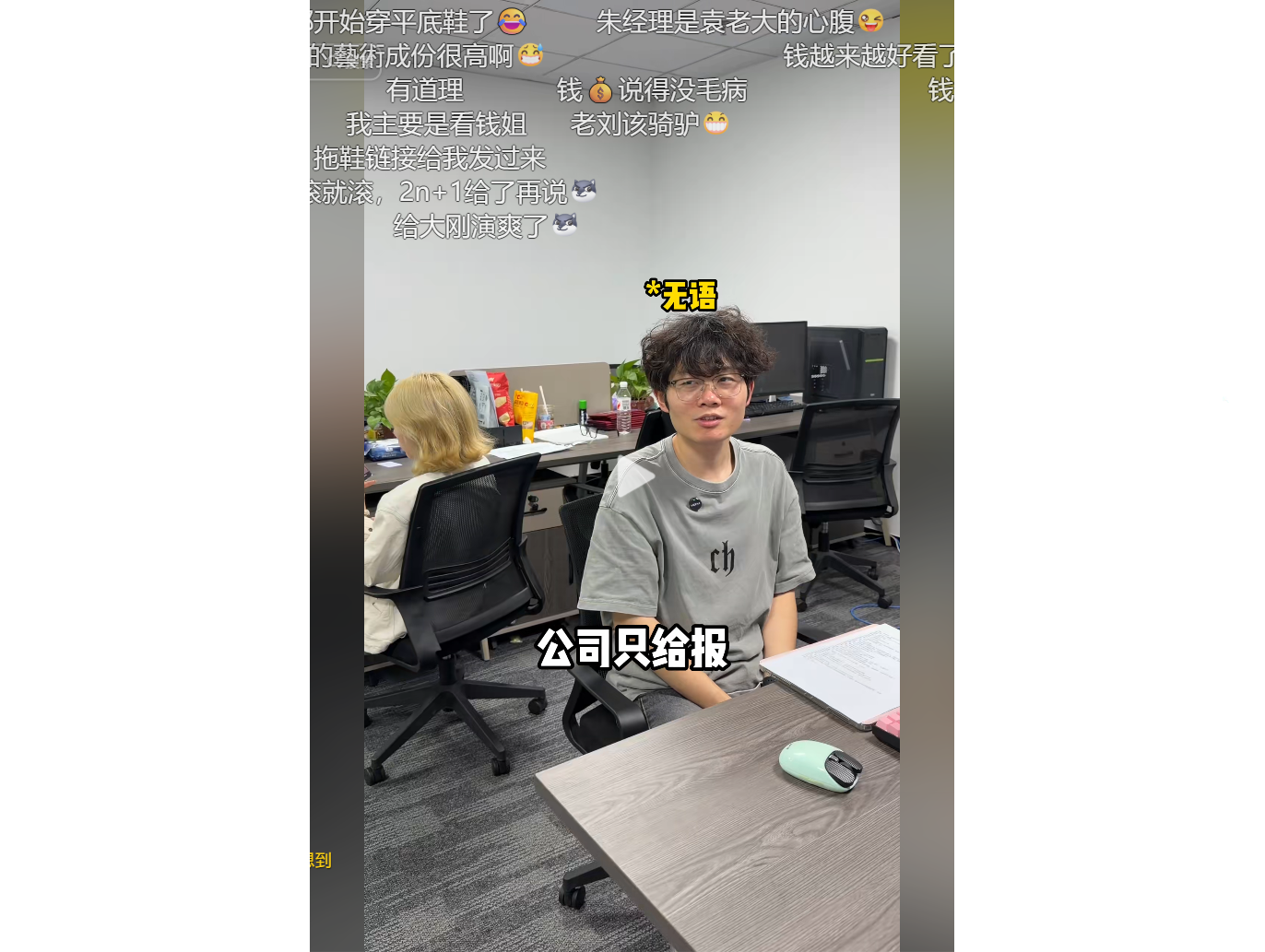
The creative angle transforms these bureaucratic nightmares into a dark comedy of errors, illustrating how "cost reduction and efficiency enhancement" initiatives often achieve the opposite. The emotional atmosphere is not one of rebellion, but of exhausted resignation. Employees are depicted not as lazy, but as rationally responding to irrational systems. When personal financial risk is decoupled from corporate reward, the video suggests that strict adherence to broken rules becomes the ultimate form of workplace self-preservation, turning every denied reimbursement into a silent vote of no confidence in leadership.
What Viewers Are Saying
"I saved you 5 million, but you won't share 5 yuan with me. My 50 yuan out of pocket, however, is real money gone." This comment encapsulates the fundamental breakdown of the psychological contract between employer and employee. It highlights a critical asymmetry: corporate savings are abstract and benefit shareholders, while employee expenses are tangible and immediate. When workers perceive that frugality is a one-way street, the moral obligation to protect company assets evaporates, replaced by a calculus of personal financial safety.
"Whether the company survives or fails has nothing to do with me; this sentence is exactly why companies go under." Here, the audience identifies the fatal flaw in modern management philosophy. The commen
ter points out that demanding ownership-level dedication without offering ownership-level stakes creates inevitable apathy. It serves as a stark warning that organizational resilience cannot be mandated through slogans when the economic incentives suggest that bankruptcy might actually offer better severance than continued employment under stingy conditions.
"I've seen the most accurate summary of cost-cutting ever: If only one-quarter of your toilet paper is actually useful, try wiping with just that quarter." Using visceral imagery, this viewpoint critiques the intellectual laziness of blanket budget cuts. It argues that efficiency metrics applied without context are functionally useless and degrading. The metaphor resonates deeply because it translates complex management failures into a universal physical discomfort, proving that when leaders optimize for spreadsheets rather than human reality, they create environments that are technically compliant but practically uninhabitable.
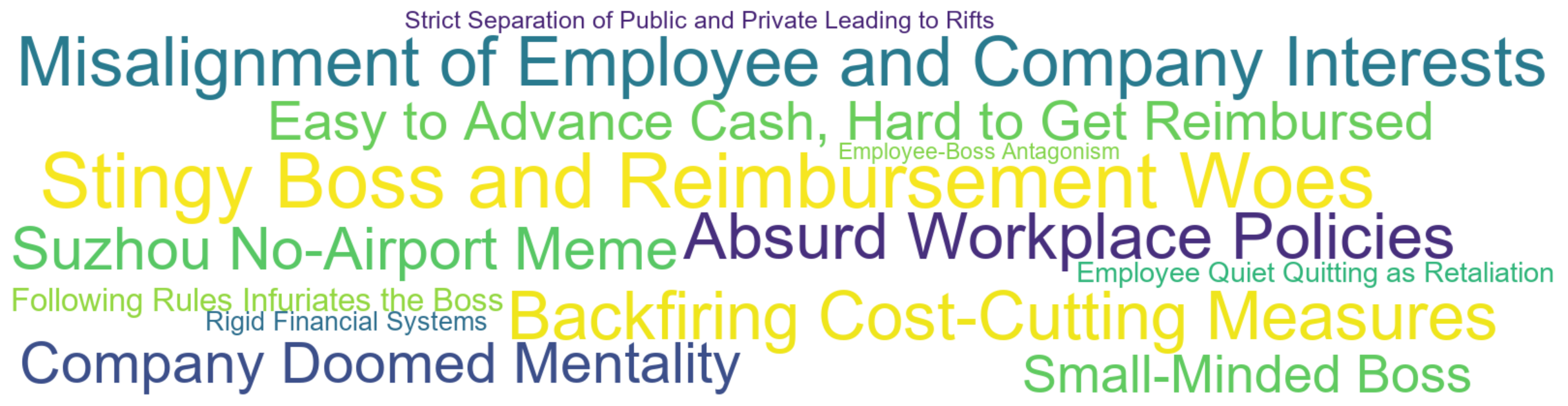
The comment section reads less like a discussion and more like a collective therapy session for the professionally disillusioned. There is a palpable sense of solidarity born from shared trauma, with users exchanging war stories of unpaid receipts and impossible mandates with the weary familiarity of veterans. The tone oscillates between dark humor and genuine bitterness, creating an emotional trajectory that moves from individual anecdotes to systemic condemnation. Rather than anger directed at specific bosses, there is a profound, melancholic acceptance that the system itself is broken. The prevailing mood is one of rational detachment; readers are not seeking solutions but validating their decision to emotionally and financially withdraw from organizations that view them as line items rather than partners. It is a digital monument to the death of blind corporate loyalty.
As we reach the midpoint of 2026, the yunpoly editorial team extends its sincere gratitude to our readers for engaging so thoughtfully with today’s story. We understand that for many, these narratives are not merely entertainment but reflections of daily professional realities. Your insights remind us that true efficiency stems from mutual respect, not arbitrary restriction. Thank you for trusting us to amplify these vital conversations. We remain committed to providing content that honors your experiences and supports your well-being in an ever-evolving workplace landscape. Have a restful afternoon.