Introduction
A satirical workplace skit featuring a sharp-tongued HR manager named Sister Juan has ignited a viral sensation. By mocking stingy bosses and bureaucratic leave policies, the video transforms human resources from corporate villains into unexpected folk heroes, sparking massive online resonance and cathartic laughter among exhausted employees.
What It's About
This comedic masterpiece operates on two levels: as a hilarious parody of toxic management and as a profound commentary on employee dignity. The narrative centers on Sister Juan, an HR representative who subverts expectations by openly ridiculing her boss’s miserliness during salary negotiations and dismantling illogical leave denial policies with biting wit. When an employee asks for a modest 200-yuan raise, Juan mocks the "company family" rhetoric and suggests buying a 2-yuan clip to stay awake instead; when the request jumps to 10,000 yuan, she dismisses it as a waste of time, highlighting the arbitrariness of corporate decision-making. Similarly, her handling of vacation requests exposes the double standards of a system that demands overtime valor while denying basic rest.

Creatively, the video succeeds because it reframes the HR role. Instead of being the enforcer of unpopular rules, Juan becomes the voice of the silenced workforce. The emotional atmosphere is not one of despair, but of rebellious solidarity. Viewers are not just laughing at jokes; they are witnessing a fantasy where the gatekeeper acknowledges the absurdity of the gate itself. This dynamic shifts the power structure within the narrative, turning a standard office dialogue into a symbolic uprising against unreasonable authority.
"This isn't HR Sister Juan, this is Minister Juan of the Ministry of Personnel!"
This comment brilliantly captures the elevation of Sister Juan from a mere administrative functionary to a figure of supreme authority. By invoking the historical title "Minister of Personnel," viewers express a deep-seated desire for competence and fairness in leadership. It reflects a collective yearning for decision-makers who understand human needs rather than just enforcing arbitrary metrics, suggesting that true authority comes from empathy and integrity, not just organizational charts.
"On cultivating loyal retainers in the boss's company using the boss's money..."
This witty observation highlights the ironic loyalty shift
occurring in modern workplaces. It suggests that when middle managers treat employees with genuine respect and transparency, they inadvertently build personal allegiance that supersedes corporate loyalty. The comment underscores a critical management lesson: employees serve people, not entities. When the organization fails to provide psychological safety, the empathetic manager becomes the de facto leader, funded ironically by the very system they are subverting.
"I experienced this. I wrote a request for a 500-yuan raise, and the leader added a zero behind it, but the final approval was still just 500."
Beyond the humor, this raw anecdote grounds the satire in painful reality. It illustrates the futility many feel regarding formal feedback mechanisms and compensation reviews. The discrepancy between the gesture of adding a zero and the bureaucratic reversion to the original amount symbolizes the illusion of progress in toxic work environments. This viewpoint serves as a somber counterweight to the comedy, reminding us that for many, these skits are not just entertainment but validation of their lived struggles.
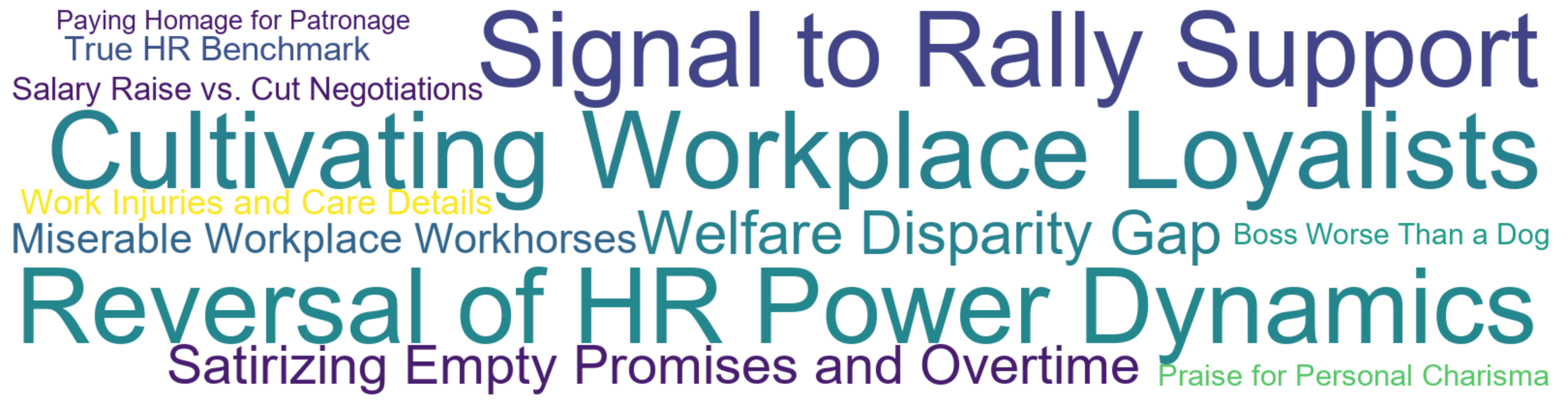
The comment section feels less like a digital forum and more like a secret tavern gathering after hours. There is an overwhelming sense of cathartic release, where shared trauma is transmuted into inside jokes and fierce admiration for the protagonist. The tone oscillates between playful reverence for Sister Juan and sharp, cynical critiques of real-world bosses. It is a space of high emotional resonance where users feel safe to drop their professional masks, bonding over the universal exhaustion of being "corporate cattle" while celebrating the rare glimpse of humanity in management. The atmosphere is electrically supportive, characterized by a collective sigh of relief that someone, even if only in fiction, finally said the quiet part out loud.
As we reach the midpoint of 2026, the Yunpoly editorial team extends its heartfelt gratitude to our readers for sharing both your laughter and your stories today. We understand that behind every viral joke lies a real person navigating complex professional landscapes. Your engagement reminds us why authentic storytelling matters. Please remember to prioritize your well-being amidst the daily grind; you are valued far beyond any job title or salary negotiation. Stay resilient, stay connected, and thank you for making our community a place of understanding and warmth.