Introduction
A viral nine-second clip captures the suffocating reality of entrepreneurship, where personal collapse is interrupted by facial recognition scans and client demands. This stark portrayal of being "too busy to die" has ignited a wave of raw, tearful confessions from business owners worldwide.
What It's About
This video masterfully condenses the high-pressure existence of a founder into a fleeting yet devastating montage. In just nine seconds, viewers witness a relentless cycle of signing documents, undergoing facial recognition for banking, handing over car keys, and greeting clients. The visual chaos is underscored by a haunting narration: "When you are on the verge of breakdown, but you are also a boss." The mechanical repetition of the title "Boss" serves as an ironic soundtrack to a life where identity is consumed entirely by obligation.
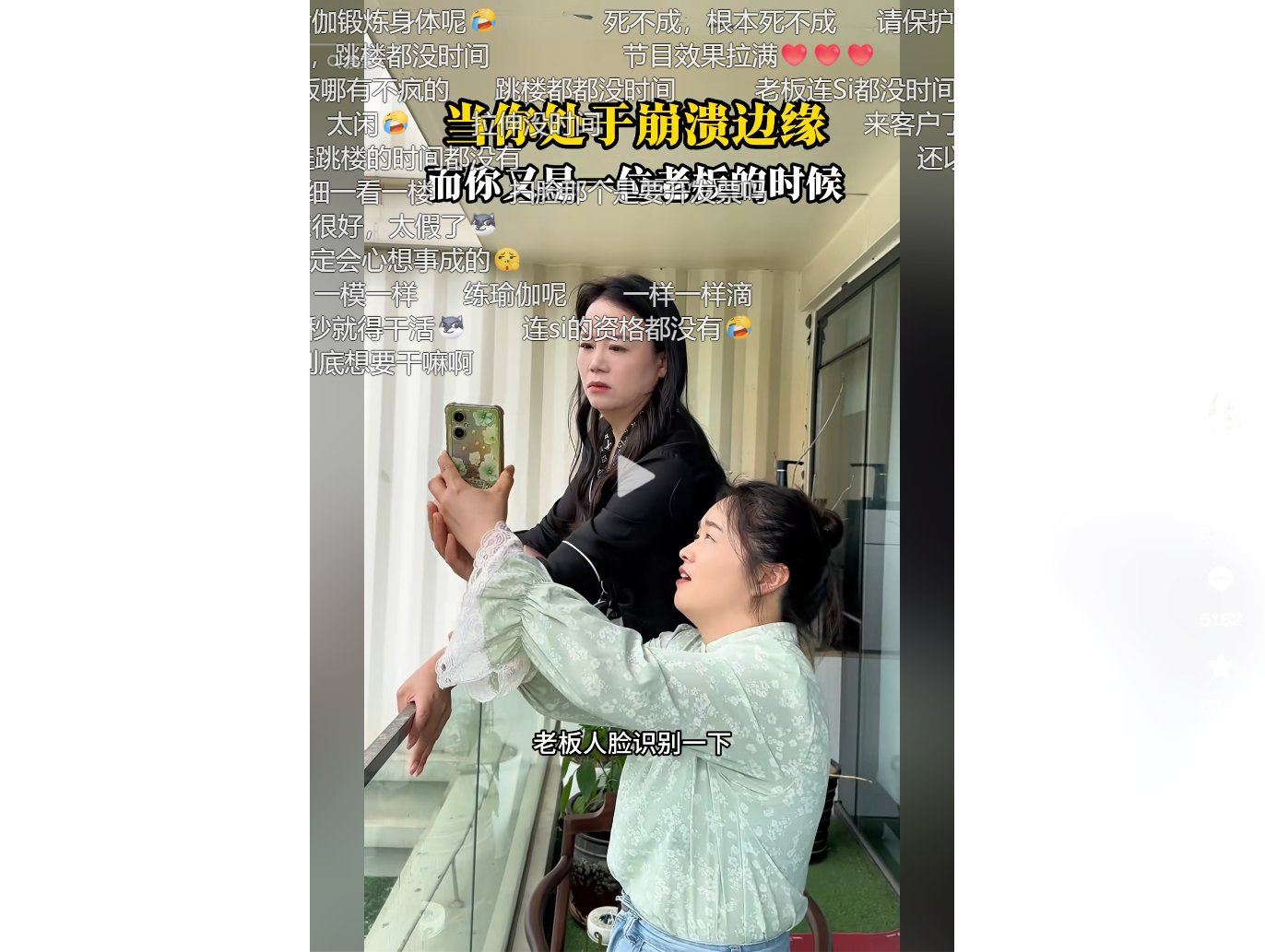
The creative angle here lies in the jarring juxtaposition of internal despair and external performance. The protagonist is not merely working; she is performing stability while internally fracturing. The video illustrates that for modern entrepreneurs, emotional processing is a luxury that operational logistics simply do not permit. Even in moments of potential tragedy or exhaustion, the biometric scan demands a smile, and the client expects warmth. It is a profound commentary on how the role of "boss" has evolved from a position of power to one of perpetual, high-stakes emotional labor, where the individual is erased by the endless queue of administrative and interpersonal necessities.
What Viewers Are Saying
"I got divorced during a break; my partner waited half an hour. After getting the certificate, I went back to the office to continue negotiating. I cried all night at midnight..." This comment encapsulates the terrifying compartmentalization required of founders. It suggests that major life events have been demoted to mere calendar appointments, slotted between business obligations. The discussion around this viewpoint highlights a collective trauma among entrepreneurs who feel their personal milestones have been hijacked by their professional responsibilities, turning joy and sorrow alike into logistical challenges to be managed rather than experienced.
"The boss seems like no one cares if they live or die." T
his sentiment strikes at the heart of the isolation inherent in leadership. While employees focus on tasks and salaries, the human behind the title often becomes invisible. The discourse surrounding this quote reveals a painful paradox: the person responsible for everyone else’s livelihood is often the most neglected individual in the ecosystem. It sparks debates about the dehumanization of leadership and the silent burden of being the emotional and financial shock absorber for an entire organization.
"My dog died, and I was crying while driving. Just as I was crying hard, my leader called. I immediately switched to a normal tone to discuss work..." This visceral account demonstrates the physiological toll of "forced functionality." Viewers discussing this point emphasize the unnatural suppression of grief required to maintain professional facades. It extends beyond simple stress management into the realm of psychological endurance, illustrating how entrepreneurs must develop a dissociative ability to toggle between devastation and professionalism in a split second, often at great cost to their long-term mental health.
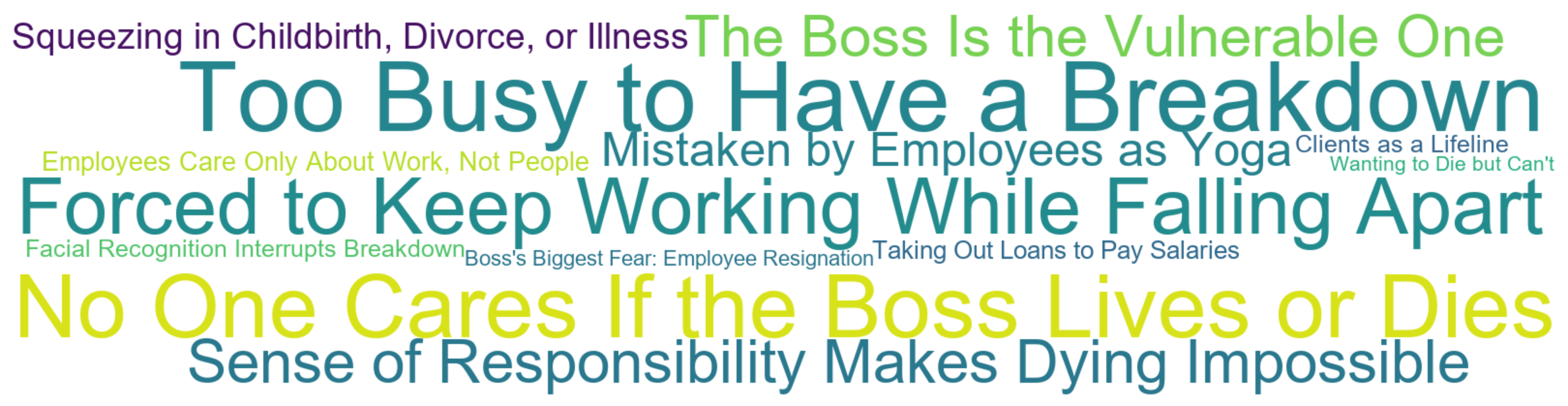
The comment section reads less like a social media feed and more like a late-night support group for the emotionally exhausted. There is a pervasive sense of dark humor masking deep-seated pain, with users bonding over the shared absurdity of being "too busy to collapse." The atmosphere is heavy with unshed tears and weary solidarity, punctuated by moments of bitter laughter at the irony of facial recognition interrupts during mental breakdowns. Rather than judgment or advice, the prevailing tone is one of profound recognition—a collective exhale from thousands of individuals who finally feel seen in their invisible struggle. It is a space where vulnerability is validated, and the myth of the glamorous entrepreneur is dismantled by the raw truth of survival.
As we reach the midpoint of 2026, the yunpoly editorial team wants to extend our deepest gratitude to every reader navigating the complexities of building something from nothing. We see your resilience, even when it feels thankless. Please remember that while responsibility is noble, your well-being is irreplaceable. Thank you for trusting us with your stories and for being part of this community. Take a moment for yourself today—you deserve it.