Introduction
A viral video dictating "proper" Polo shirt brands has ignited a firestorm of debate, revealing far more than fashion preferences. This seemingly trivial style guide has become a lightning rod for employment anxiety, class insecurity, and satirical rebellion against rigid social hierarchies in the modern workplace.
What It's About
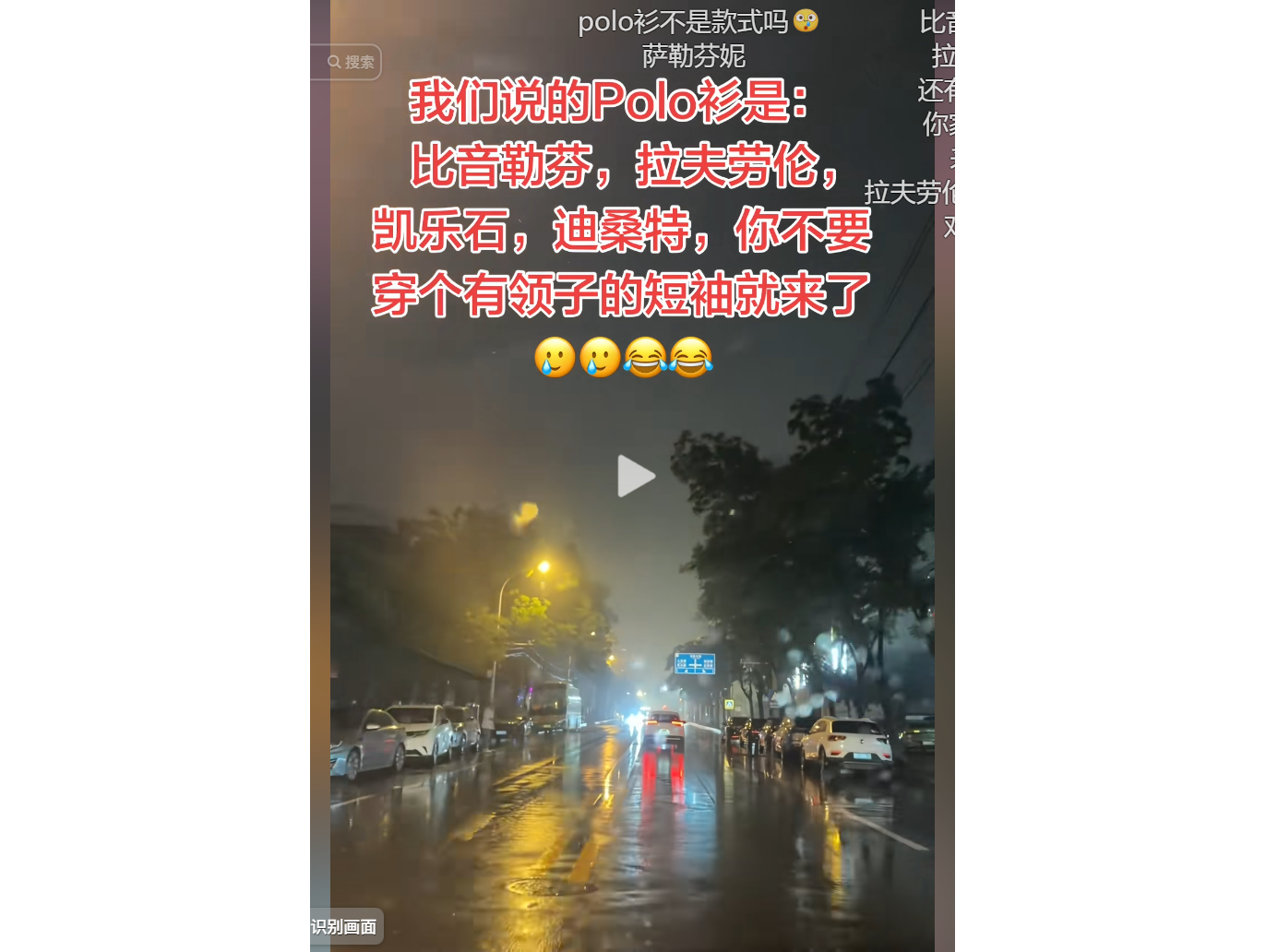
At its surface, the trending content offers strict sartorial advice, asserting that not every collared short-sleeve qualifies as a legitimate Polo shirt. The creator establishes a narrow hierarchy of acceptable brands—including Biem.l.fdlkk, Ralph Lauren, Kailas, and Descente—warning viewers that wearing unapproved alternatives risks violating unwritten professional codes. However, this prescriptive approach has transcended mere fashion critique to become a cultural Rorschach test. The video’s emphasis on specific labels taps into a pervasive "bureaucratic chic" aesthetic associated with stability and status, inadvertently highlighting the intense pressure to signal belonging through consumption. Rather than simply accepting these standards, the audience response has transformed the comment section into a complex arena where brand elitism clashes with economic reality, generational identity, and sharp-witted parody. The discourse reveals that for many, clothing is no longer just about utility or taste; it is a high-stakes performance of social capital where the fear of being perceived as "incorrect" mirrors broader anxieties about career security and social mobility.
What Viewers Are Saying
"My husband earns a million annually, yet he wears fake Paul Smith and counterfeit Ferragamo belts. He says anything over 200 yuan is just paying for the brand premium. I can't reason with him." This comment encapsulates the profound disconnect between price tags and perceived value in the current economic climate. It challenges the video’s core premise that legitimacy is purchased, suggesting that true financial confidence often manifests as indifference to luxury signaling. The viewer’s frustration highlights a domestic negotiation where traditional status symbols are being rejected by those who have already achieved success, creating a paradox where the "correct" uniform is deemed unnecessary by the very demographic it aims to emulate.
"I never let my husband wear obscure brands; we only do big names! Daqiao Chicken Essence, China Telecom, Lianhua MSG, Haitian Soy Sauce, and the most famous one, Stanley Compound Fertilizer." This satirical masterpiece deconstructs the entire con
cept of brand hierarchy through absurdist humor. By elevating household condiments and agricultural products to the status of luxury goods, the commenter exposes the arbitrariness of fashion gatekeeping. It serves as a collective coping mechanism, allowing users to reclaim agency over their identities by mocking the exclusionary nature of the original advice. This parody transforms shame into solidarity, suggesting that if the rules of status are impossible to meet, they might as well be rewritten entirely.
"My Ralph Lauren feels unsafe to wear outside; I’m never sure if the polo player’s mallet is facing the right direction." This candid admission reveals the paralyzing anxiety produced by hyper-specific dress codes. The fear of wearing a counterfeit or misaligned logo speaks to a deeper insecurity about impostor syndrome and social surveillance. It illustrates how the pursuit of "correctness" can strip clothing of its function and joy, turning daily dressing into a minefield of potential embarrassment. The comment underscores that for many, the pressure to conform to elite aesthetics creates a state of perpetual vigilance rather than genuine confidence.
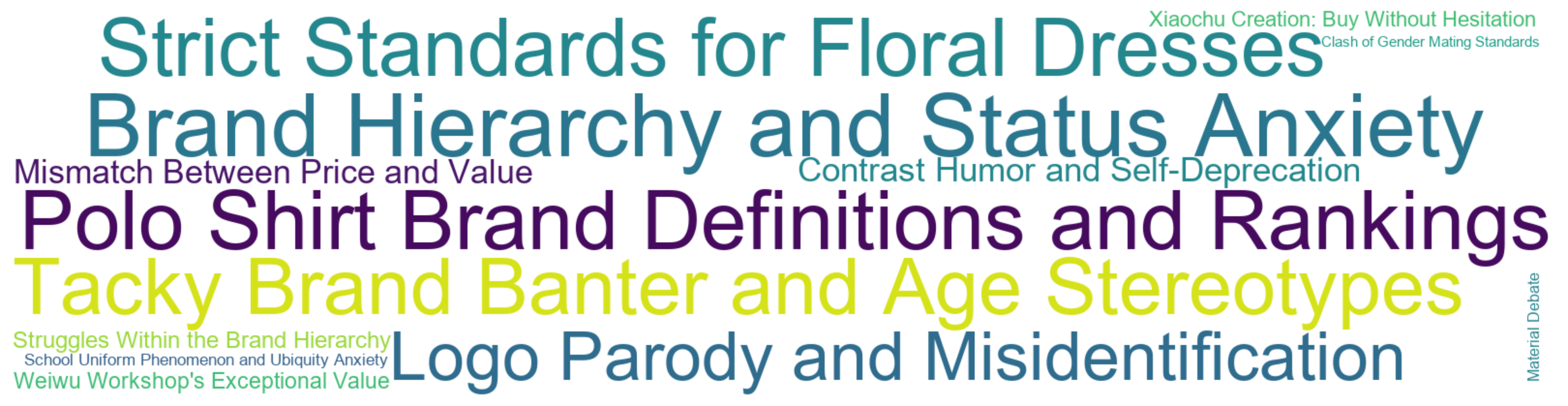
The comment section operates as a vibrant, chaotic town square where tension and catharsis coexist. There is a palpable undercurrent of defensiveness mixed with raucous humor, as users oscillate between genuine insecurity about their wardrobe choices and defiant mockery of the standards imposed upon them. The atmosphere is less about fashion advice and more about collective emotional processing; it feels like a support group for those exhausted by performative professionalism. While some threads reflect earnest debates about fabric quality and brand heritage, the dominant tone is one of ironic detachment. Users bond over shared experiences of feeling inadequate or absurd, creating a warm, self-deprecating community that ultimately rejects the video’s elitist premise in favor of authentic, messy reality.
As we navigate the midpoint of 2026, the yunpoly editorial team recognizes that behind every viral trend lies a human story deserving of empathy. We thank you for engaging with this topic so thoughtfully and for sharing your perspectives with such candor and wit. In an era where external validation often feels precarious, please remember that your worth is never defined by a logo or a dress code. We remain committed to providing space for these vital conversations and appreciate your continued trust in our platform. Stay true to yourselves, regardless of what the algorithm suggests you should wear.