Introduction
A simple question about sleeveless shirts has ignited a passionate linguistic debate across Northeast China. This viral video transforms a mundane clothing item into a nostalgic journey, revealing how regional dialects preserve childhood memories and spark collective identity through the power of specific vocabulary.
What It's About
Content creator Zhao Jindou poses a deceptively simple challenge to her audience: identify the authentic Northeast dialect term for a sleeveless T-shirt, explicitly excluding the standard Mandarin word "beixin." The video intentionally leaves the answer unresolved, ending with a playful concession that invites viewer participation rather than providing closure. This creative ambiguity serves as a catalyst for cultural excavation. The comment section evolves into a living archive of regional linguistics, where terms like "kanjian," "kualan beixin," and "kanxiu" are debated with academic rigor and emotional attachment. Beyond mere vocabulary, the discussion maps the subtle distinctions between fabric weight, strap width, and seasonal usage, illustrating how language encodes the sensory experiences of a shared past. The atmosphere is one of affectionate contention, where correcting someone’s dialect is an act of cultural intimacy rather than pedantry.

What Viewers Are Saying
"Kanjian! Kualan beixin, kanxiu" This comment encapsulates the core tension of the discussion by listing three distinct terms in rapid succession. It reflects the reality that no single word holds universal authority across the vast Northeast region. The juxtaposition suggests that identity here is not monolithic but layered; a speaker’s specific choice of word acts as a geographic fingerprint, revealing their hometown, generation, and even family background within a single breath.
"Summer ones are called kanxiu, winter ones are called kanjian'er" This viewpoint introduces a crucial functional distinction that elevates the conversation beyond simple synonyms. By linking t
erminology to seasonality and material thickness, the commenter demonstrates how dialect serves as a practical taxonomy for daily life. It highlights a cultural logic where language is deeply embedded in the rhythm of the changing seasons and the tactile reality of surviving Northeast winters versus summers.
"Kualan beixin, no rebuttals accepted" The assertive tone of this comment showcases the fierce pride associated with regional vernacular. The phrase "no rebuttals accepted" is delivered with humorous conviction, turning linguistic preference into a badge of honor. It represents the emotional stakes of the debate; for many, defending their local term is synonymous with defending the validity of their personal history and community belonging against homogenization.
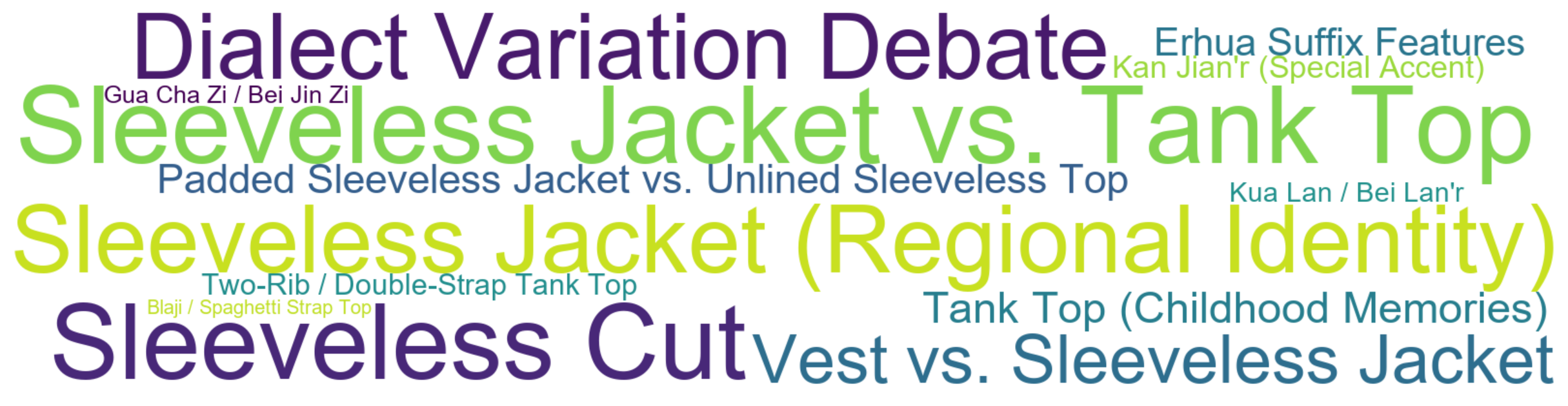
The comment section radiates a warm, boisterous energy reminiscent of a lively family reunion or a bustling neighborhood gathering. There is a palpable sense of collective nostalgia, where users are not just arguing over words but actively reconstructing a shared sensory landscape of childhood summers. The tone oscillates between playful stubbornness and tender reminiscence, with the ubiquitous use of the "er" suffix adding an auditory texture that readers can almost hear. While disagreements are frequent, they lack toxicity; instead, they function as social bonding rituals. The overwhelming mood is one of joyful reclamation, as thousands of strangers find comfort in the specificity of their mother tongue, creating a digital space where regional identity is celebrated rather than diluted.
As we navigate the mid-summer heat of late June, the yunpoly editorial team extends our heartfelt gratitude to our readers for sharing in this delightful exploration of cultural heritage. Your engagement reminds us that language is more than communication; it is the vessel of memory and connection. We hope this morning's feature brings a smile to your face and a sense of belonging to your day. Thank you for making our community vibrant, thoughtful, and endlessly fascinating.