Introduction
A viral revisit of *Water Margin* has reignited debate over brotherhood and tragedy. Viewers are reexamining Wu Dalang not as a weak victim, but as the moral anchor whose death transformed his heroic brother into an unstoppable force of vengeance.
What It's About
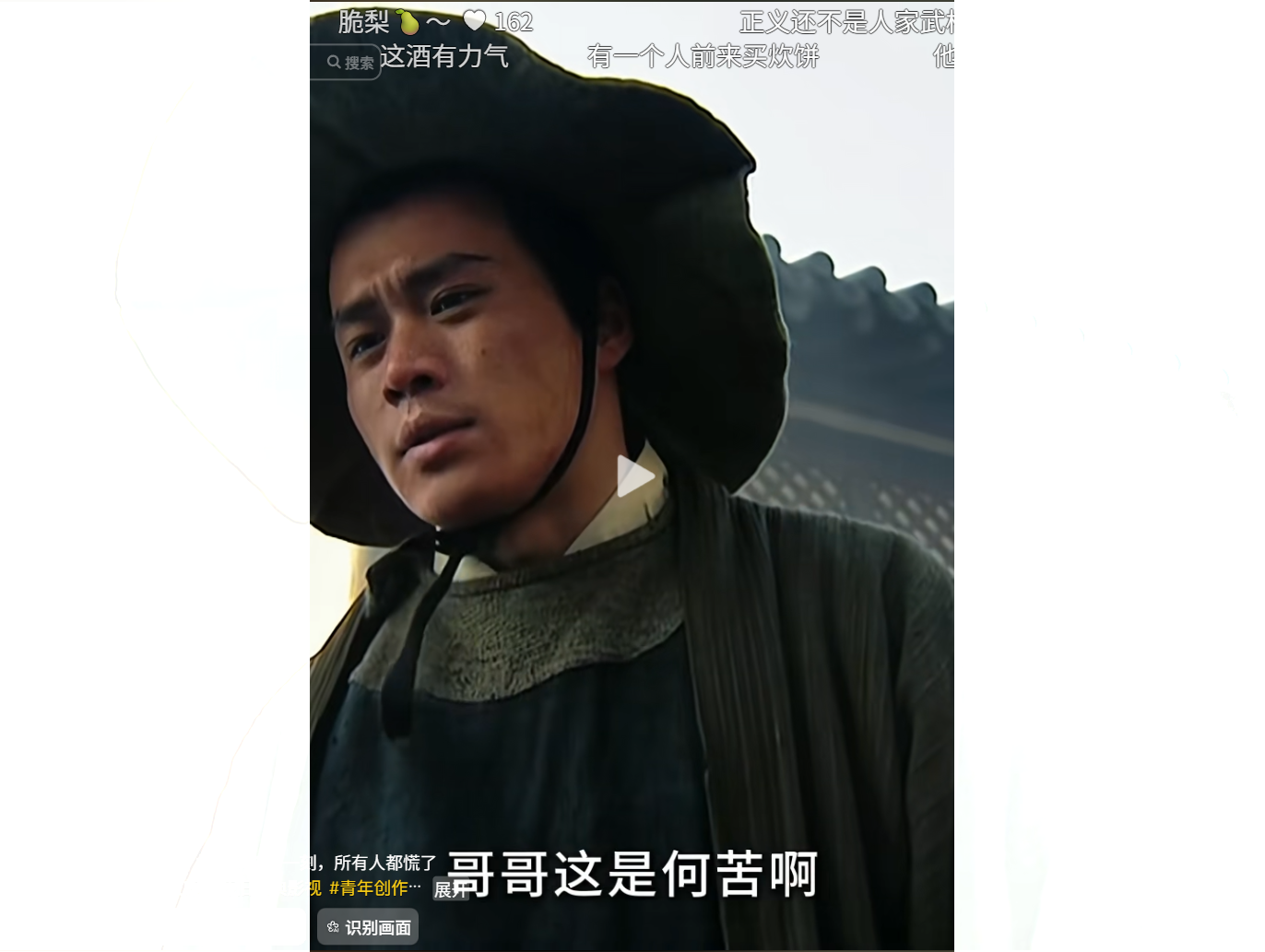
This trending video dissects the pivotal investigation and revenge arc of Wu Song in *Water Margin*, framing it through the profound lens of fraternal devotion. Rather than focusing solely on the violence, the narrative highlights the emotional symbiosis between the towering warrior Wu Song and his diminutive brother, Wu Dalang. The creative angle posits Wu Dalang as the "Three-Inch Demon-Sealing Nail"—a metaphor suggesting that his gentle existence was the only thing restraining Wu Song’s lethal nature. When that nail is removed by murder, the "demon" is unleashed. The atmosphere oscillates between tender nostalgia for their bond and the chilling inevitability of retribution. Scenes of Wu Song methodically gathering evidence are juxtaposed with flashbacks of domestic simplicity, emphasizing that this is not merely a crime procedural, but a catastrophic collapse of familial order. The story resonates because it transforms a classic tale of adultery and murder into a tragic study of how love, when violated, becomes the most dangerous weapon of all.
What Viewers Are Saying
"Wu Dalang is short and frail; Wu Song is tall and mighty. But Dalang was the only demon-sealing nail! Once the nail is gone, the demon comes out." This comment has become the definitive interpretation of the current discourse. It elevates Wu Dalang from a plot device to a spiritual necessity. The audience is no longer mocking his physical stature but recognizing his metaphysical weight. It suggests that true strength in this narrative isn't martial prowess, but the quiet, humanizing influence that keeps raw power from becoming monstrous. The tragedy lies not just in a life lost, but in the irreversible release of chaos that followed.
"You can cheat, but if you hadn't killed Wu Dalang, you probably wouldn't have died." This pragmatic, almost darkly humorous take reflects a modern recalibration of moral consequences. Commentators are distinguishing between transgression and existential threat, arguing that Wu Song’s wrath was specifically
triggered by the violation of kinship rather than sexual immorality alone. It reveals a nuanced understanding of the character’s code: loyalty supersedes social convention. This viewpoint also sparks heated counter-debates about whether such conditional forgiveness is justice or merely tribal vengeance, showcasing the complexity of applying ancient ethics to contemporary sensibilities.
"Cold fact: The actor playing Wu Dalang was actually the one with real martial arts skills." This behind-the-scenes revelation adds a layer of ironic poignancy to the viewing experience. Knowing that the on-screen symbol of vulnerability was, in reality, the most physically capable performer creates a cognitive dissonance that deepens the tragedy. It blurs the line between performance and essence, reminding viewers that weakness is often a constructed role. This meta-commentary enriches the text, allowing audiences to appreciate the deliberate artistry behind casting against type and the hidden strengths beneath perceived fragility.
Comment Section Vibe
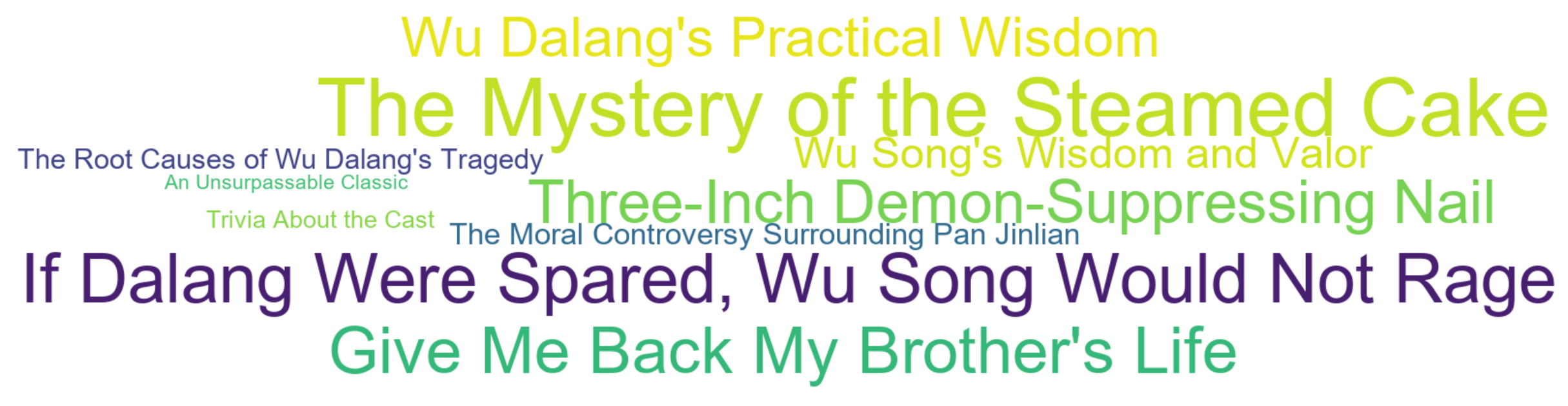
The comment section pulses with a mixture of melancholic reverence and sharp, modern cynicism. There is a collective mourning for a lost archetype of brotherhood, with many expressing that men of Wu Song’s unwavering loyalty are vanishing from contemporary society. Simultaneously, the space crackles with dark humor and ironic detachment, as users joke about steamed buns and relationship advice derived from fatal mistakes. Beneath the memes lies a genuine emotional undercurrent—a yearning for absolute bonds in a transactional world. The tone shifts fluidly between scholarly analysis of classical literature and visceral, personal reflections on betrayal and justice, creating a vibrant tapestry of grief, wit, and cultural memory.
A Note from the Editor
As we navigate the complexities of modern relationships this June morning, we thank you for pausing to reflect on the timeless depths of fraternal love and loss. Your insights breathe new life into centuries-old stories, reminding us that great literature endures because human hearts remain unchanged. The yunpoly editorial team is honored to witness these meaningful conversations and remains committed to curating content that connects past wisdom with present feelings. May your day be filled with both clarity and compassion.