Introduction
A poignant video featuring a former parade soldier searching for his past self has ignited a wave of national pride and nostalgia. Blending military discipline with personal growth, this story resonates deeply with veterans and civilians alike, celebrating an enduring spirit that transcends time and uniform changes.
What It's About
This compelling visual narrative centers on the theme of "finding the former self," anchored by the lyrical refrain, "I want to find that old me." The video masterfully juxtaposes archival footage of rigorous parade training with present-day reflections, creating a powerful dialogue between past glory and current maturity. The protagonist’s journey is not merely about physical fitness but about reclaiming a state of pure determination and unyielding willpower. By concluding with his status as a retired veteran, the content transcends simple military showcase; it becomes a meditation on value, identity, and the universal mid-life quest to reconnect with one's original aspirations. The emotional atmosphere is thick with reverence and bittersweet remembrance, illustrating that while uniforms may change and bodies may age, the tempered spirit forged in blood, sweat, and fire remains an indelible mark of honor. It serves as a mirror for viewers, prompting them to reflect on their own "highlight moments" and the enduring nature of discipline long after the march has ended.
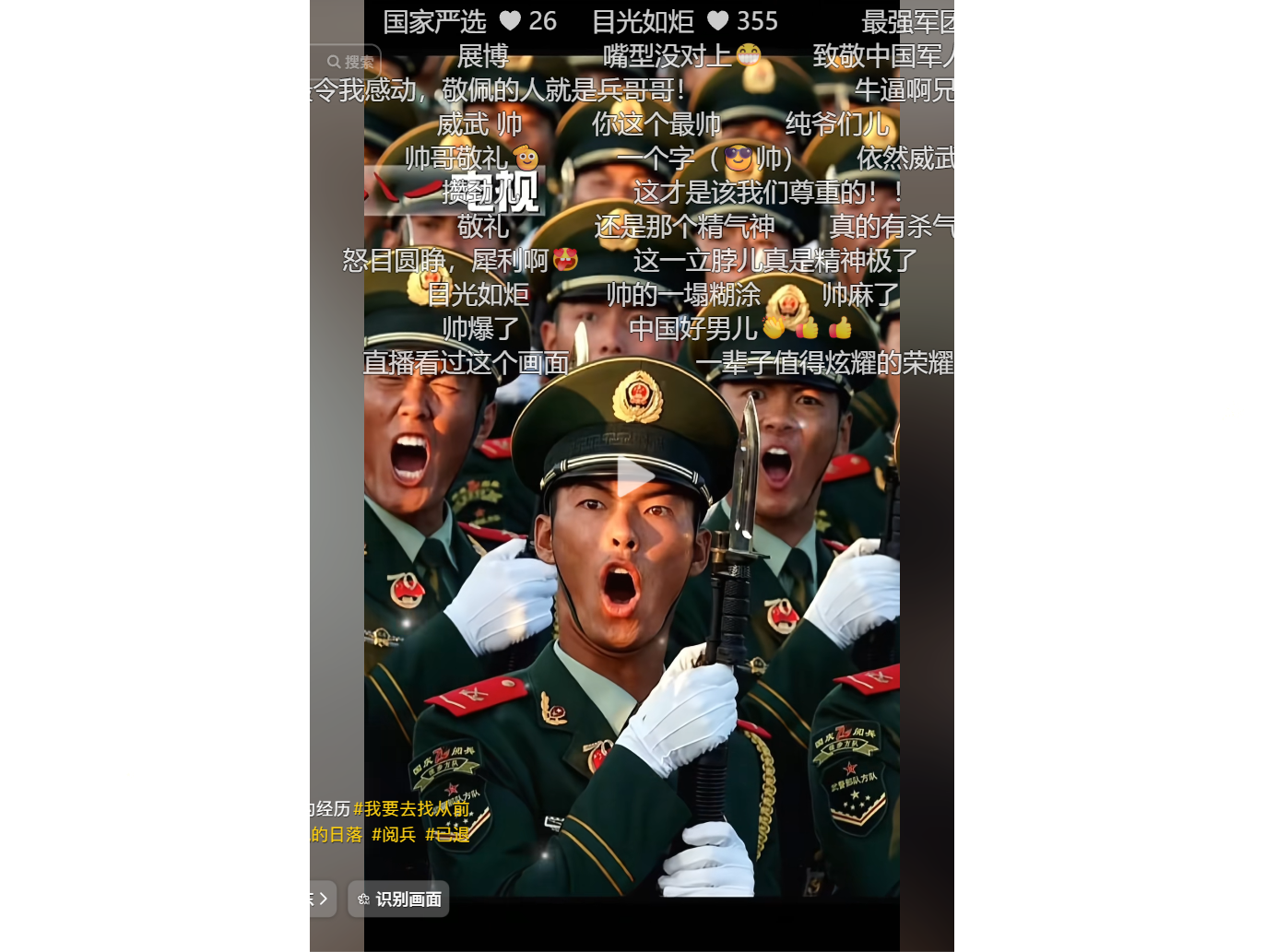
"Once reviewed, lifelong glory. To get on the field, we trained until we peed blood. It was worth it." This comment encapsulates the sheer physical and mental cost of military excellence. It moves beyond superficial admiration of the parade's aesthetics to acknowledge the grueling reality behind the precision. The phrase "lifelong glory" suggests that the validation earned through such extreme sacrifice provides a permanent psychological anchor, validating the pain endured decades ago as a necessary investment in eternal honor.
"You are the only one we’ve seen who stayed this thin after discharge." While seemingly focused on physique, this observation touches upon a deeper
cultural expectation of veteran discipline. In a sea of post-service weight gain, maintaining one’s form is interpreted as maintaining one’s soul. It signifies a refusal to let civilian comfort erode military standards, transforming body maintenance into a visible act of loyalty and self-respect that commands immense public admiration.
"My husband is a retired armed police reconnaissance soldier; he hasn't faded after twenty years and keeps his original intention, running every day." This perspective shifts the focus from individual achievement to domestic legacy. It highlights how military values permeate family life and long-term relationships. The spouse’s pride reflects a societal appreciation for consistency and reliability, suggesting that the true measure of a soldier isn't just the parade moment, but the quiet, daily persistence of character over two decades of civilian life.
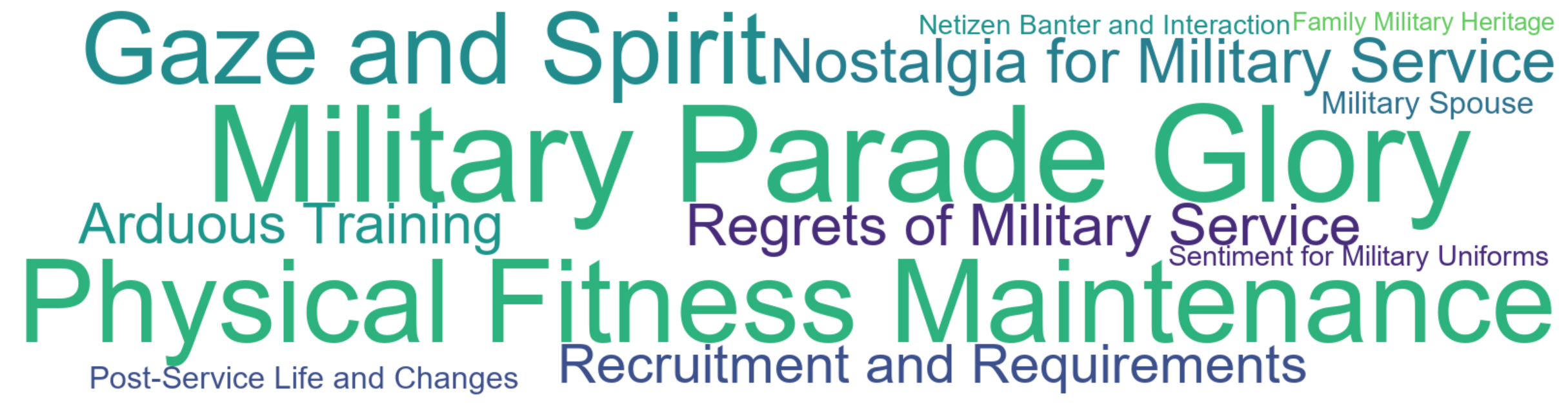
The comment section feels less like a digital forum and more like a virtual reunion hall filled with warm embraces and tearful salutes. There is an overwhelming sense of collective resonance, where strangers bond instantly over shared memories of torn trousers, reinforced knee patches, and the specific shade of olive green. The tone oscillates between boisterous camaraderie and profound reverence, with veterans eagerly identifying their units and service years like secret handshakes. Beneath the praise lies a tender undercurrent of regret from those who never served, adding a layer of wistful longing to the celebration. It is a space where humor about outdated uniforms coexists seamlessly with solemn tributes to family legacies, creating an emotionally rich tapestry that honors both the grandeur of national service and the intimate, gritty realities of individual soldiers.
As we reach the midpoint of 2026, the yunpoly editorial team extends our deepest gratitude to you for sharing these stories of resilience and honor. In a rapidly changing world, your engagement reminds us that some values remain timeless. Thank you for allowing us to witness these moments of glory and humanity; your memories are the heartbeat of our community.