
The Hook
A viral skit depicting a graduate farming in glasses has struck a raw nerve, exposing the painful gap between educational investment and career reality. This satirical yet heartbreaking narrative forces a generation to confront the uncomfortable truth about social mobility and parental sacrifice in today's job market.
The Story
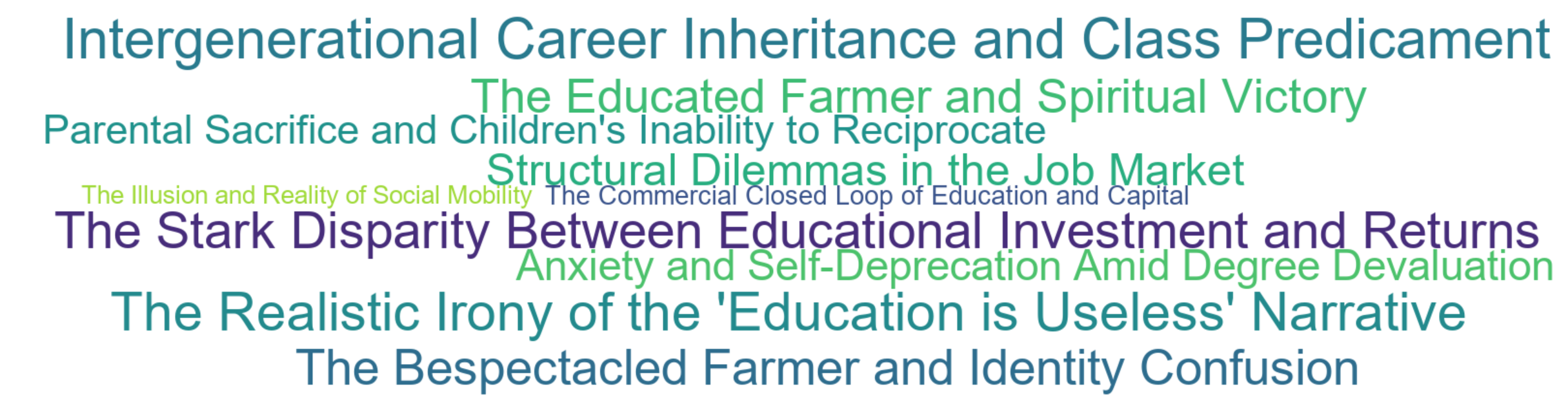
The video presents a deceptively simple scene that carries the weight of an entire generation’s anxiety. A young woman performs a comedic sketch that quickly dissolves into social commentary, lamenting that her father tilled the soil to fund her education, only for her to return to those same fields after graduation. The defining visual metaphor is her pair of glasses—a symbol of academic achievement now rendered impractical and inconvenient amidst the dust and labor of agriculture. This is not merely a joke about poor eyesight; it is a profound illustration of identity confusion and the "bespectacled farmer" paradox.

The creative angle here transcends mere self-deprecation. It captures the stark disparity between the immense financial and emotional capital invested in higher education and the diminishing returns in the current employment landscape. The protagonist stands at the intersection of intergenerational expectation and structural economic dilemma. She embodies the realistic irony of the "education is useless" narrative, where knowledge does not necessarily alter destiny in the way previous generations were promised. Yet, within this melancholy, there is also a subtle reclamation of dignity. By articulating this struggle through humor, the video transforms personal failure into collective resonance, highlighting both the absurdity of degree devaluation and the enduring, complicated bond between parents who sacrificed everything and children who feel they have failed to reciprocate.
The Voices
"My dad drives a taxi to put me through college.... My dad worked as a security guard to put me through school... [Facepalm] [Facepalm] [Facepalm]"
This recurring sentiment in the comments reveals that the video has unlocked a floodgate of filial guilt. Viewers are not just watching a skit; they are projecting their own family histories onto the screen. The repetition of specific blue-collar professions—taxi drivers, security guards, motorcycle taxi operators—grounds the abstract concept of "parental sacrifice" in tangible, gritty reality. The facepalm emojis signify a collective shame, suggesting that for many, the diploma feels less like a trophy and more like a receipt for their parents' exhausted youth.
"At least now you can read the pesticide instructions... [Facepalm]"