Introduction
A viral video featuring an English teacher’s dramatic hairstyle transformation has ignited a wave of nostalgia and heated debate. Beyond the trendy mullet, the clip touches on evolving teacher-student dynamics, fashion freedom in education, and the delicate balance between personal expression and professional boundaries.
What It's About
At its core, this video leverages the striking contrast between a conventional educator persona and a bold, gender-fluid "mullet" aesthetic to create a powerful visual narrative. The transformation is not merely about hair; it serves as a catalyst for discussing the modern teacher's identity. Viewers are captivated by the duality presented—the approachable mentor versus the charismatic icon. This juxtaposition evokes complex emotions, ranging from admiration for the teacher's confidence to anxiety regarding professional risks. The content cleverly intertwines fashion trends with sociological observation, highlighting how a simple grooming choice can reflect broader shifts in generational attitudes toward authority, beauty standards, and the unspoken rules of the classroom environment.
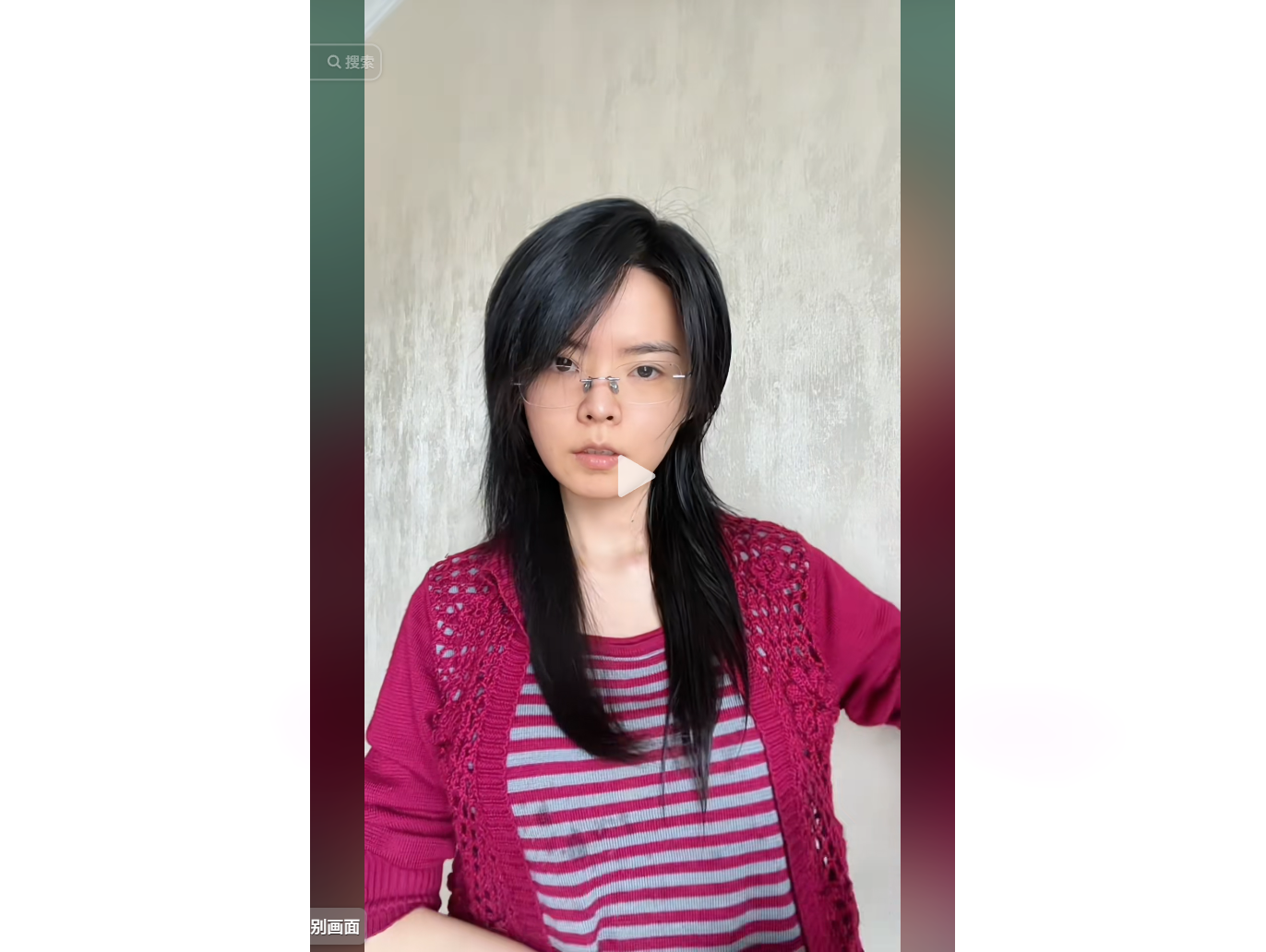
"If you wore that hairstyle and outfit to school, your students would definitely be focused in class." This comment encapsulates the prevailing sentiment that aesthetic appeal correlates with student engagement. It challenges the outdated notion that teachers must be visually austere to command respect. Instead, it suggests that in an era of short attention spans, personal style can be a legitimate pedagogical tool, transforming the teacher into a source of inspiration rather than just instruction. However, it also subtly hints at the double-edged sword of attractiveness in educational settings, where "focus" can sometimes blur into infatuation.
"Teacher, do you know you're crushing hearts? Love letters will be piling up on your desk." While phrased playfully, this remark underscores a serious underlying tension regarding teacher-student boundaries. It reflects a collective cultural memory of adolescent crushes while simultaneously acknowledging the precarious
position educators face today. The humor masks a genuine concern about the professional hazards of being too charismatic, illustrating how society still struggles to reconcile humanizing teachers with maintaining necessary ethical distance.
"We used to have beautifully dressed teachers back then, and nothing bad happened. Parents were less difficult in the past." This viewpoint offers a poignant critique of contemporary surveillance culture in education. It frames the current hesitation around teacher self-expression not as a moral necessity, but as a symptom of increased parental anxiety and litigiousness. By invoking nostalgia, the commenter argues that aesthetic freedom was once a normalized part of the educational ecosystem, suggesting that current restrictions may be stifling individuality without necessarily providing proportional safety benefits.
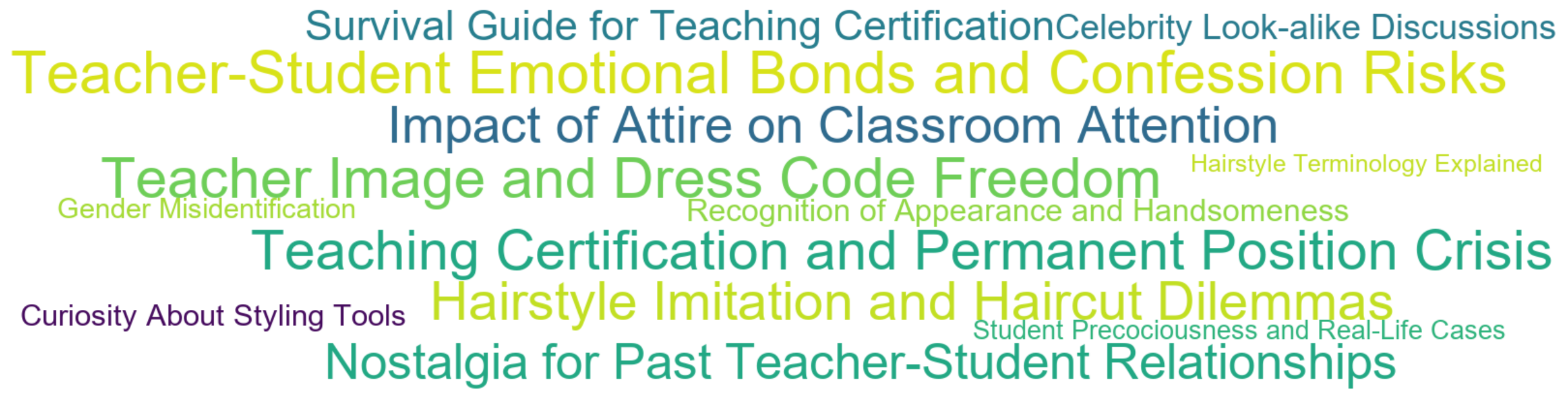
The comment section reads like a digital confessional booth mixed with a lively faculty lounge. There is an overwhelming sense of nostalgic warmth, with users eagerly sharing memories of stylish mentors who made learning feel vibrant and aspirational. Yet, beneath this affection lies a palpable undercurrent of protective anxiety. The tone frequently shifts from adoration to cautionary warnings about teaching credentials and parental complaints, creating a bittersweet emotional trajectory. It is a space where admiration for personal style constantly negotiates with the harsh realities of professional survival, resulting in a discourse that is equal parts celebratory and deeply empathetic toward the pressures modern educators face.
As we navigate the midpoint of 2026, the yunpoly editorial team extends our heartfelt gratitude to our readers for engaging so thoughtfully with this nuanced topic. Your reflections remind us that education is not just about curriculum, but about the human connections that shape us. We appreciate your willingness to explore the complexities of teacher identity with both empathy and critical insight. Thank you for making our community a space where diverse perspectives on culture and profession can coexist respectfully. Stay curious and kind.