Introduction
As modern society grapples with questions of justice and moral ambiguity, a viral discussion asks whether the world still needs Wu Song. This midday feature explores how a classic tale of fraternal revenge has evolved into a profound mirror reflecting contemporary anxieties about loyalty, consequences, and lost virtues.
What It's About
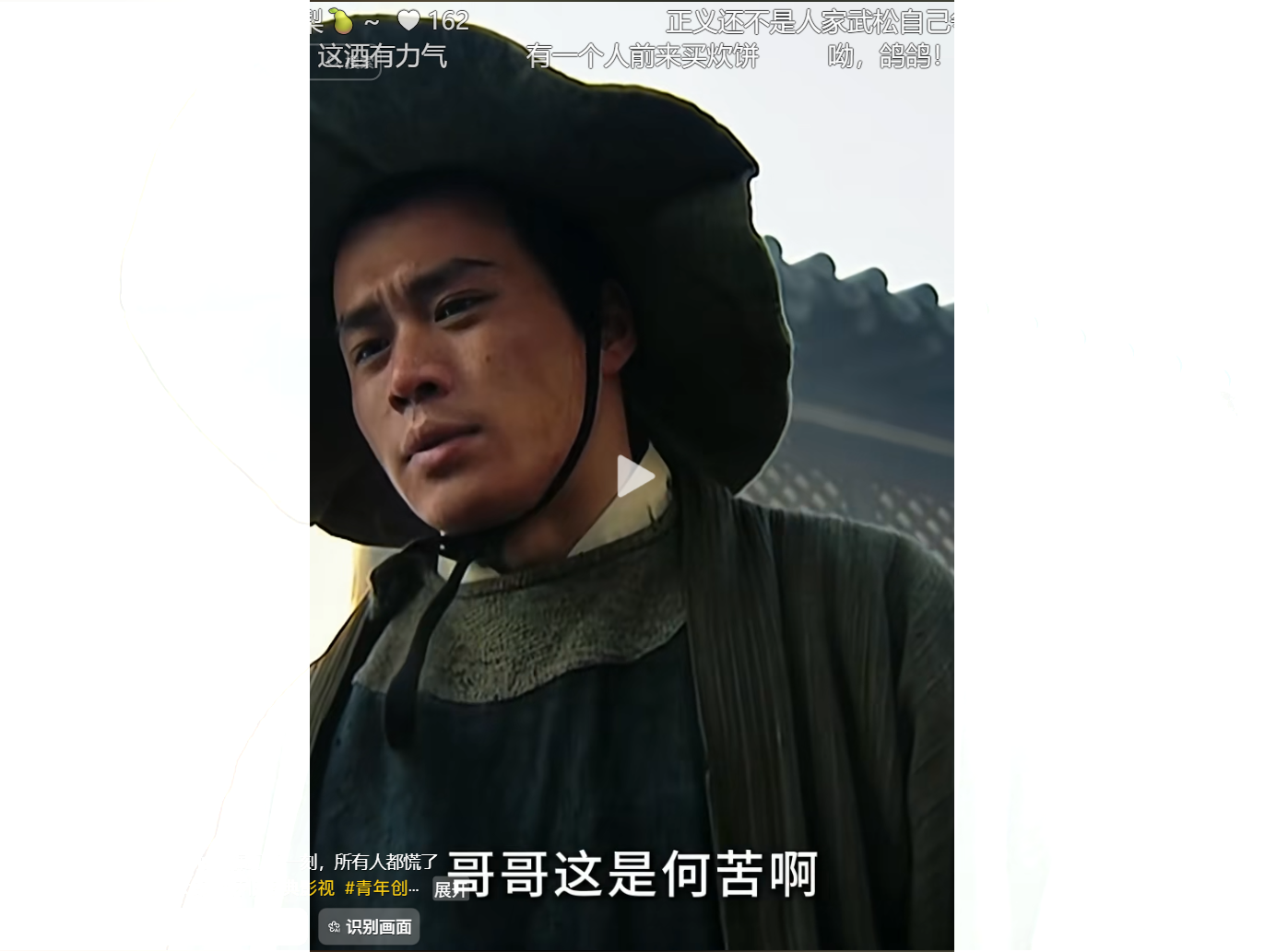
The creative prompt "Does the world need people like Wu Song?" transforms a traditional analysis of *Water Margin* into a poignant sociological inquiry. The video meticulously reconstructs Wu Song’s investigation into his brother Wu Dalang’s death, but the narrative weight lies not in the violence, but in the emotional vacuum left by the victim. Viewers are invited to see Wu Dalang not merely as a tragic figure, but as the essential "Demon-Suppressing Nail" that kept Wu Song’s lethal potential in check. Once that nail was removed through murder, the righteous avenger emerged, yet the discourse suggests that true tragedy lies in the loss of the gentle restraint rather than the triumph of vengeance. The content bridges classical literature with modern existential dread, questioning if absolute moral clarity is a relic of the past or a desperate necessity for the present. It paints a picture where martial prowess is secondary to ethical fortitude, urging audiences to reconsider what constitutes true strength in an increasingly complex world.
What Viewers Are Saying
"Dalang was short and weak, while Wu Song was tall and mighty. But Dalang was the only demon-suppressing nail! When the nail was gone, the demon came out." This comment offers perhaps the most profound literary interpretation in the discussion. It reframes Wu Dalang from a passive victim to the active moral anchor of the story. The metaphor suggests that Wu Song’s capacity for extreme violence was always present, and it was only his brother’s existence that channeled this energy into social order. Without Dalang, Wu Song ceases to be a protector and becomes a force of nature, implying that gentleness is actually the stronger power in maintaining human civilization.
"You can cheat all you want, but if you hadn't killed Wu Dalang, you probably wouldn't have died either." This v
iewpoint highlights a pragmatic, almost legalistic reading of the tragedy that resonates deeply with modern sensibilities. It strips away the romanticism of forbidden love to focus on the catastrophic error of crossing a definitive line. The sentiment reflects a collective understanding that while moral transgressions may be forgivable or manageable, the violation of fundamental human bonds triggers irreversible consequences. It serves as a stark warning about the difference between personal failings and existential threats.
"People with Wu Song’s character and integrity are becoming increasingly rare nowadays." A melancholic observation that directly answers the creative prompt with a sense of loss. This perspective moves beyond plot analysis to express a genuine yearning for unwavering principles in contemporary life. It suggests that the audience’s fascination with Wu Song is less about endorsing vigilantism and more about mourning the disappearance of absolute loyalty and decisive action in an era often characterized by moral relativism and bureaucratic inertia.
Comment Section Vibe
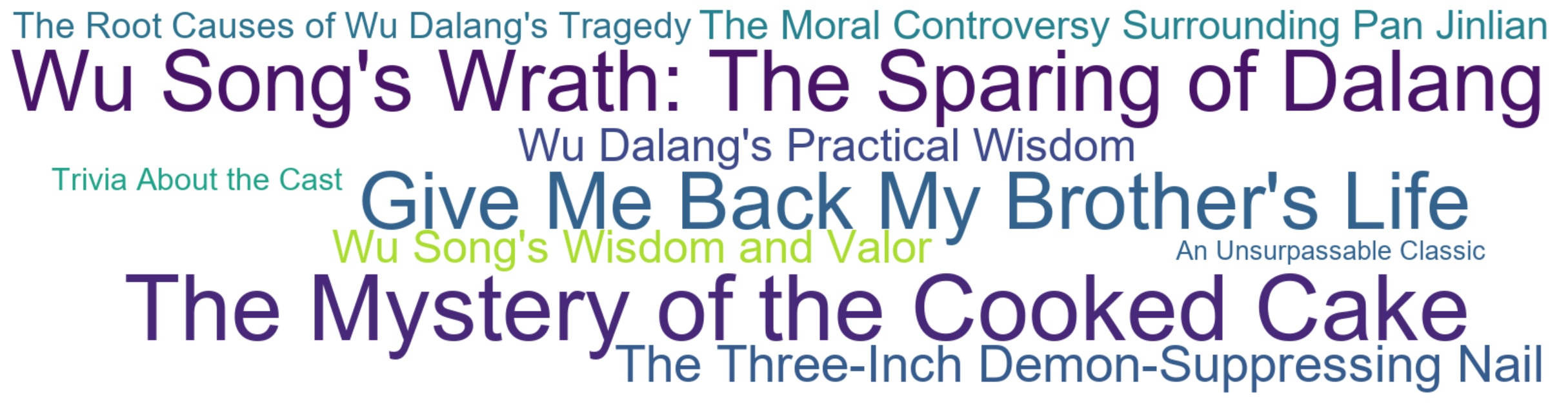
The comment section feels less like a fan forum and more like a philosophical salon steeped in nostalgic melancholy. There is a pervasive sense of longing for a time when right and wrong were distinct, intertwined with dark humor about the ironies of fate and casting trivia. While debates over Pan Jinlian’s morality spark heated friction, the dominant emotional current is one of collective reverence for a vanishing archetype. Readers are not just watching a story; they are eulogizing a standard of manhood and brotherhood that feels painfully absent in their daily lives, creating a space that is simultaneously entertaining and deeply wistful.
As we pause at midday on this summer solstice week, the Yunpoly editorial team extends its heartfelt gratitude to our readers for engaging so thoughtfully with this timeless material. In an age of fleeting attention spans, your willingness to dissect ancient texts for modern wisdom is truly inspiring. We hope this exploration of Wu Song provides not just entertainment, but a moment of meaningful reflection during your busy day. Thank you for keeping these vital conversations alive with us.