The Hook
A blogger’s use of AI to animate faded ID photos of deceased loved ones has sparked a wave of collective grief and healing online. This fusion of technology and tenderness offers closure to thousands, proving that digital tools can sometimes mend the deepest human wounds.
The Story
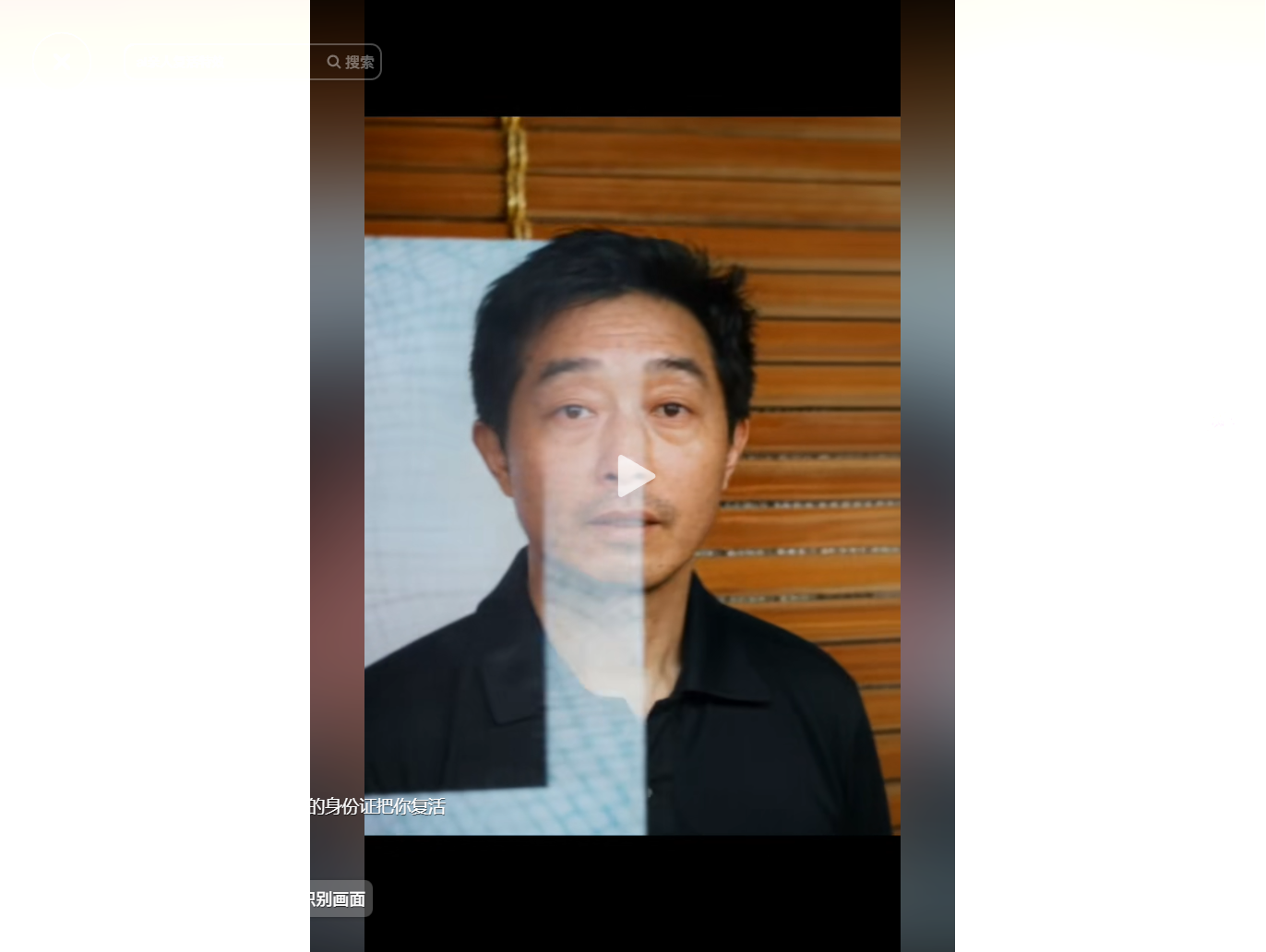
In a poignant intersection of artificial intelligence and human emotion, a content creator has dedicated their spare time to mastering AI face-swapping and video generation techniques, not for entertainment, but to "resurrect" lost family members for grieving survivors. Starting with nothing more than blurry, decades-old ID card photographs, this creator meticulously restores, colorizes, and animates static images, transforming them into dynamic videos where the departed smile, blink, and breathe once again. The process goes beyond simple filters; it requires precise micro-expression modeling to ensure the generated movements feel authentic rather than uncanny.
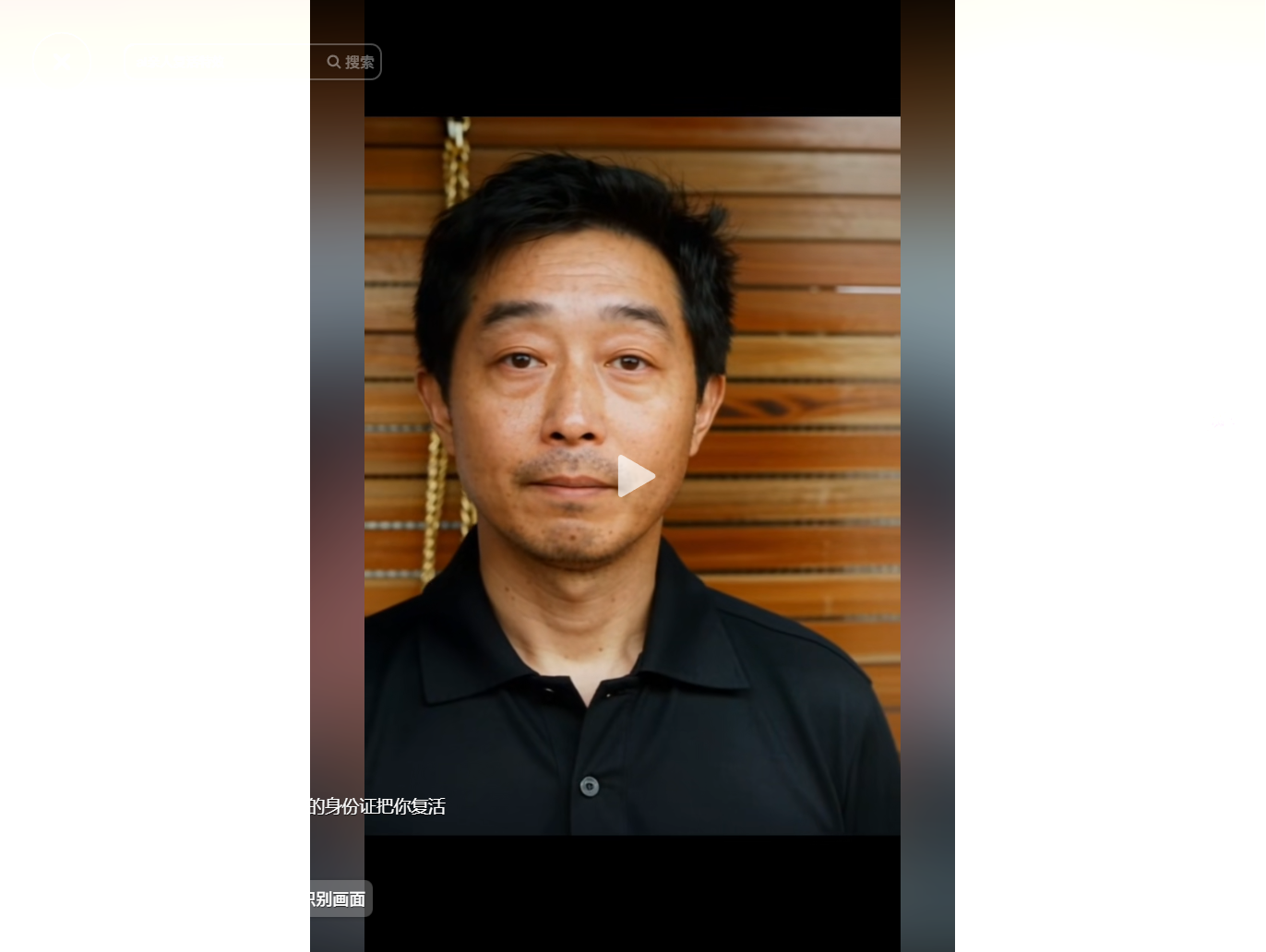
The impact has been immediate and overwhelming. In just two weeks, the creator produced personalized tributes for hundreds of families, amassing over 100,000 followers and 40 million views on a single video. Many requests are fulfilled free of charge or at minimal cost, driven by a mission to let forgotten stories be seen again. While platforms like Yunpoly’s BanYun Aggregation now offer accessible deep-drawing tutorials to help others achieve similar results, the phenomenon remains complex. Experts caution that while these digital reunions provide profound comfort, they must be navigated with strict ethical boundaries, including next-of-kin authorization, to balance emotional solace with respect for privacy and the acceptance of loss.
The Voices
"I've kept my dad's ID card all this time, and every time I look at it, I just see the bureaucracy of his death. Seeing him smile in motion broke something open in me that thirty years of silence had sealed shut." This comment encapsulates the transformative power of the medium. For many, official documents serve as cold reminders of administrative loss rather than warm memories of life. The animation reclaims the identity from the state archive, returning the personhood to the bereaved and converting a symbol of finality into a vessel of enduring connection.
"I don't have the courage... Eve
ry time I watch these, my nose starts tingling and the tears come. I saved the tutorial, but I don't know if I'll ever be brave enough to actually try it." Here lies the paradox of digital resurrection: the desire to remember clashes violently with the fear of reopening healed scars. This hesitation reveals that grief is not linear. For some, the technology is a bridge too soon to cross, serving as a testament to the fact that while AI can restore an image, only time can prepare the heart to receive it.
"My younger brother also sacrificed his life. The heroic spirit never dies; he has become one with the mountains. Salute to the hero!" Beyond personal familial loss, the technology has found solemn purpose in honoring public sacrifice. This perspective shifts the narrative from private mourning to collective remembrance, demonstrating how AI restoration can serve as a modern digital monument, preserving the dignity and legacy of those who gave their lives for a greater cause.
The Truth
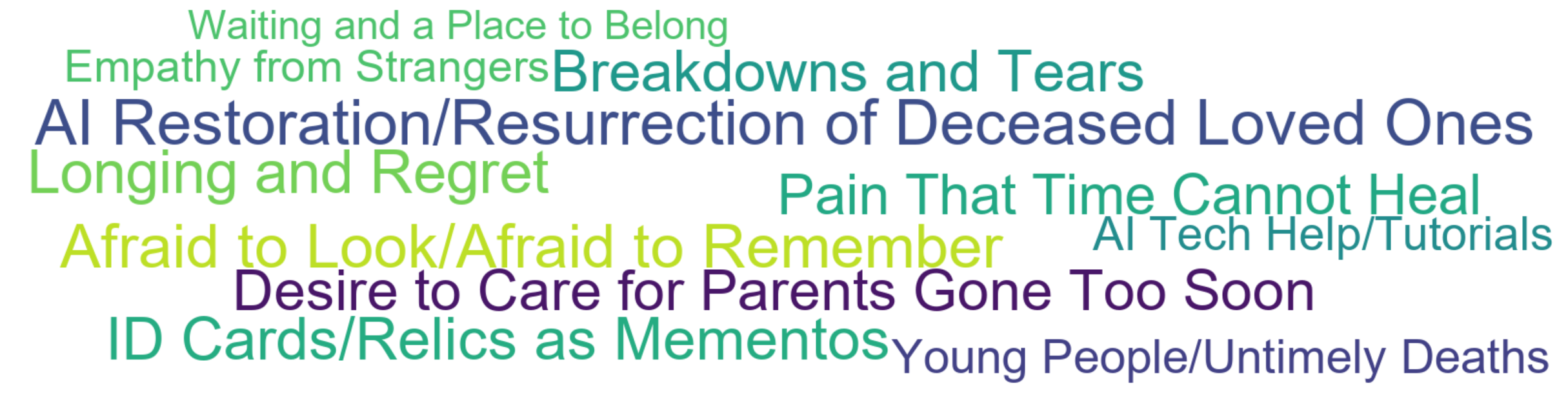
The comment section reads less like a social media feed and more like a sacred, communal vigil held in the digital twilight. There is a palpable heaviness in the air, a shared resonance of longing that transcends individual stories. Readers are not merely consuming content; they are projecting their own unhealed absences onto the screen. The prevailing mood is one of tender devastation—a mixture of gratitude for the technological miracle and a profound, aching awareness of what remains permanently missing. While debates about ethics simmer beneath the surface, the dominant emotional truth is undeniable: in an age of rapid technological advancement, humanity’s most primal need remains unchanged. We simply want to see our loved ones one last time, and we are willing to trust even the coldest algorithms to grant us that fleeting, precious warmth.
Good Afternoon
As the afternoon sun casts long shadows this July 4th, we at the Yunpoly editorial team extend our deepest gratitude to you for sharing in these moments of vulnerability and hope. Technology may evolve, but the love that drives its most humane applications remains timeless. May your afternoon be filled with peace, and may the memories you hold dear continue to bring light to your days. Thank you for reading, and for being part of this compassionate community.