Introduction
A middle school girl’s professional-grade fried rice has taken the internet by storm, prompting jokes that her father can now retire. This heartwarming yet skillful display ignites a lively debate on practical life skills, academic pressure, and the true meaning of success in modern parenting.
What It's About
The viral video captures a seamless transition of power in a family-run restaurant as a middle school daughter confidently takes over the wok from her father. Far from a clumsy attempt, her technique—including a flawless wrist-flick toss usually reserved for seasoned chefs—demonstrates years of observation and practice. The atmosphere is lighthearted and collaborative, highlighting the value of hands-on learning within a family business. However, the creative narrative emerging online transforms this simple act into a cultural commentary. Viewers are playfully framing the scene as the ultimate "academic flex," suggesting that her culinary mastery rivals traditional scholarly achievements. The content bridges the gap between domestic warmth and societal anxiety about education, turning a plate of fried rice into a symbol of competence that transcends report cards. It celebrates intergenerational skill transfer while subtly questioning whether the current educational path is the only route to a secure future.
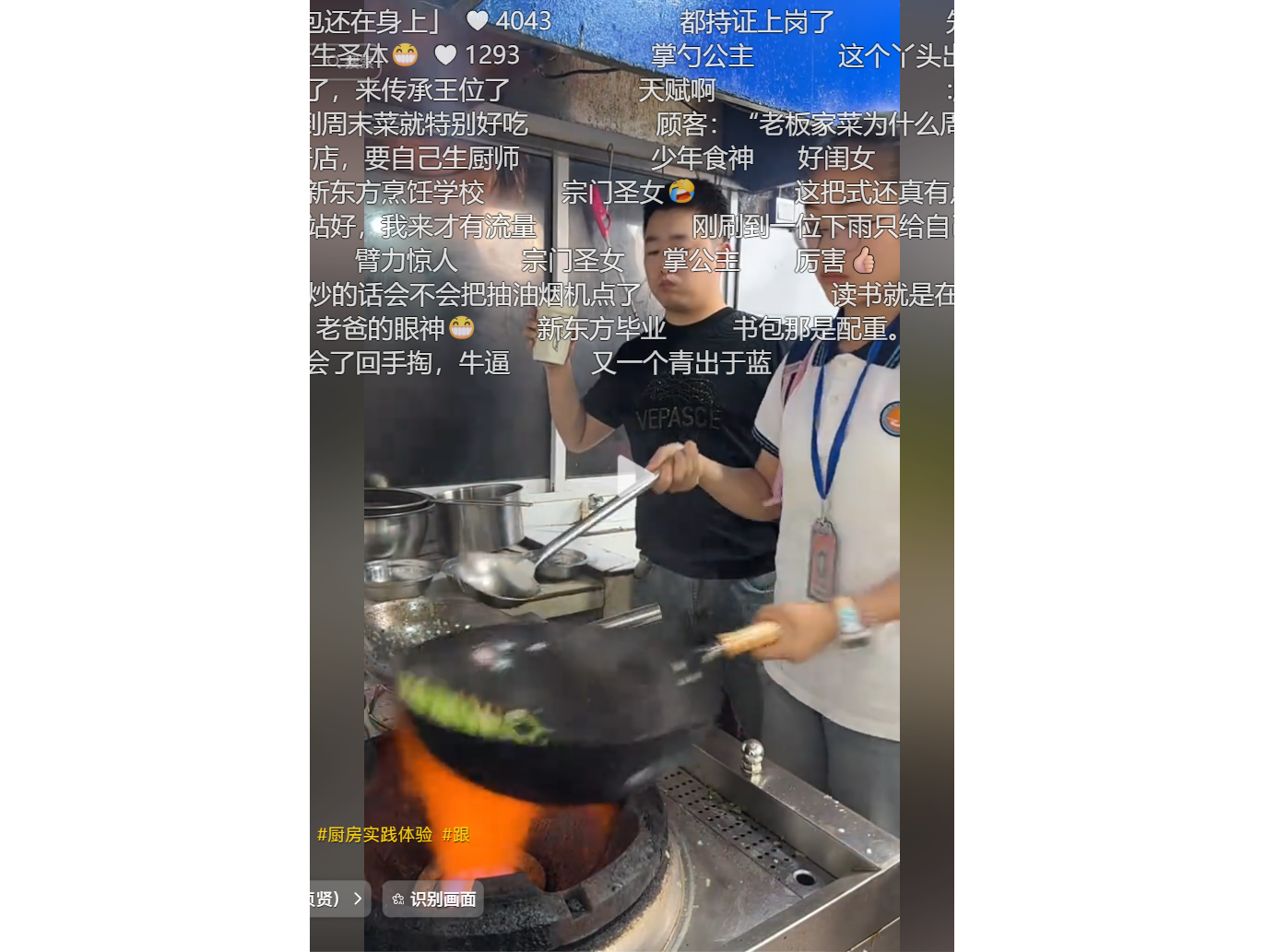
"Even if she ranks last in exams, there is no need to worry; she has already mastered survival skills." This comment encapsulates a growing sentiment that redefines success beyond academic metrics. In an era of intense educational competition, viewers find profound reassurance in tangible, real-world abilities. It reflects a collective fatigue with standardized testing and a renewed appreciation for vocational competence as a legitimate safety net and source of dignity.
"The chef went to school today." This humorous remark highlights the charming duality of the protagonist’s identity. By treating her student status as a temporary absence from her "real" job, commenters i
nvert traditional hierarchies. It suggests that for some, innate talent and practical passion hold more weight than institutional roles, turning the concept of truancy into a testament to professional dedication.
"Low damage, but extremely insulting." Directed at the father or perhaps the broader adult population, this phrase captures the playful humiliation felt by viewers comparing themselves to the child. It acknowledges the generational shift where digital-native youth often acquire specialized skills faster than their elders. The humor lies in the admission of inadequacy, transforming potential jealousy into communal admiration and self-deprecating bonding.
Comment Section Vibe
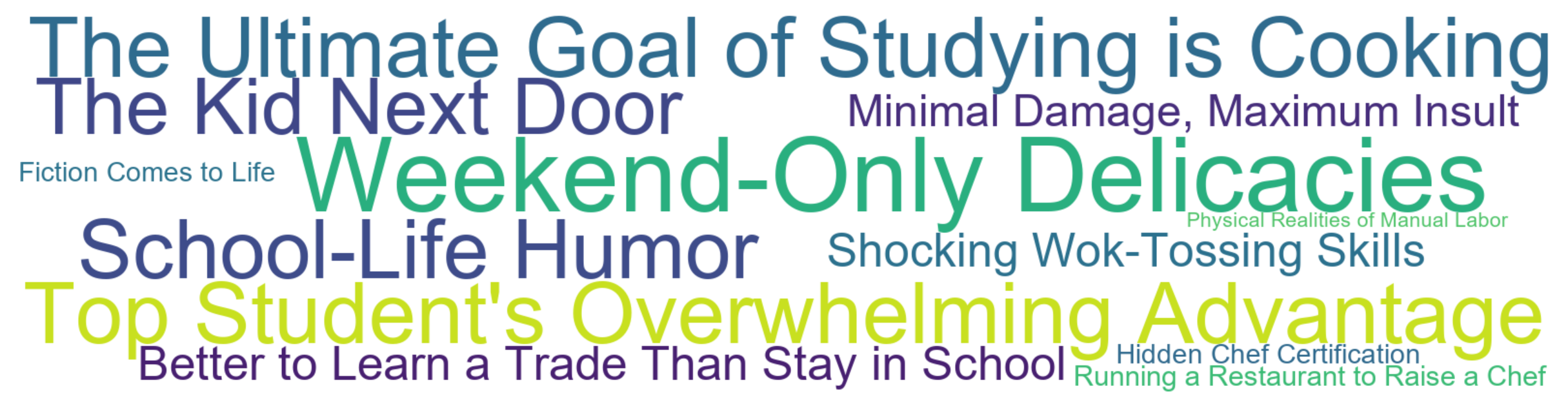
The comment section radiates a warm, nostalgic, and delightfully ironic energy. There is a palpable sense of collective relief among parents and students alike, as if this girl’s success grants everyone permission to value non-academic talents. The tone oscillates between genuine awe at her technical prowess and satirical musings on the futility of higher education when one can already run a kitchen. While predominantly positive, an undercurrent of pragmatic realism exists, with some voices gently reminding others of the physical toll of professional cooking versus the long-term options education provides. Ultimately, the space feels like a supportive community gathering, celebrating a "child of destiny" who embodies both filial piety and individual brilliance, making viewers smile through their own academic or career anxieties.
As we approach the midpoint of 2026, the yunpoly editorial team extends our heartfelt gratitude to you for engaging with stories that celebrate human potential in all its forms. This midday update arrives during a busy season for students and families alike, and we hope this tale of skill and family bonds offers a moment of levity and inspiration. Thank you for trusting us to curate content that resonates with your lived experiences; your thoughtful reflections continue to enrich our community every single day.