The Hook
A simple act of tasting a child's food before serving has sparked a vital conversation on food safety. Beyond parental instinct lies a hidden biological danger in common gourds, turning routine meal prep into a critical defense against silent toxins.
The Story
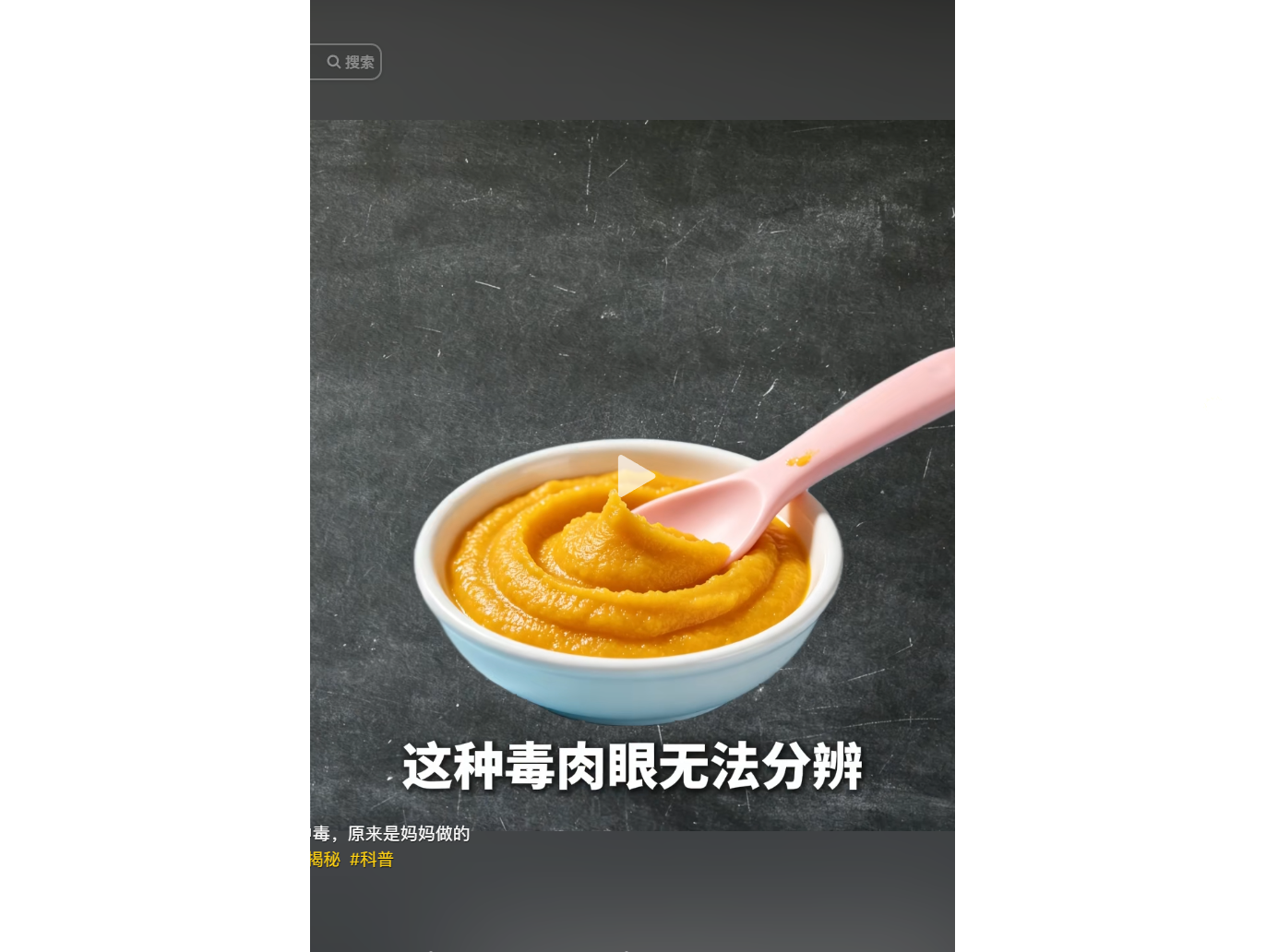
While a content creator recently won hearts by crunching raw cucumbers and celebrating regional dialects, the underlying message carries a weight far heavier than nostalgia. The video serves as a crucial public health alert regarding the Cucurbitaceae family, including pumpkins, cucumbers, and loofahs. Under extreme environmental stress or due to genetic regression, these plants can produce cucurbitacins, a potent toxin that survives high-temperature cooking and lacks a specific antidote. For infants with undeveloped organs, even minute quantities can trigger acute poisoning, ranging from severe vomiting and abdominal pain to organ failure. This scientific reality transforms the maternal habit of "tasting first" from a gesture of love into a necessary biological safety test. The narrative bridges the gap between traditional parenting wisdom and botanical toxicology, revealing that bitterness in non-bitter melon gourds is not merely a flavor defect, but a chemical red flag demanding immediate disposal.

The Voices
"I always taste my kid's food first before they eat." This sentiment encapsulates the primary defense mechanism discussed across the platform. It reframes a common parenting chore as an active safety protocol. Rather than relying solely on expiration dates or visual inspection, parents are validating their role as the final biological filter, proving that sensory vigilance remains superior to passive trust in commercial produce.
"Except for bitter melon, any bitterness in other gourds is toxic." This comment establishes a critical taxonomic distinction that many consumers lac
k. It highlights the dangerous confusion between culturally accepted bitter flavors and pathological toxicity. The discussion underscores a gap in culinary education, where the assumption that "bitter equals healthy" can be fatally misapplied to squash and cucumbers that should inherently be sweet or neutral.
"What do I do? I just fed my baby some Baby Pumpkin..." Raw panic permeates this query, representing the terrifying moment when knowledge arrives too late. It shifts the discourse from theoretical prevention to urgent crisis management, exposing the profound anxiety parents feel when realizing a staple complementary food may have become a vehicle for harm. This voice grounds the scientific warning in immediate, emotional reality.
The Truth
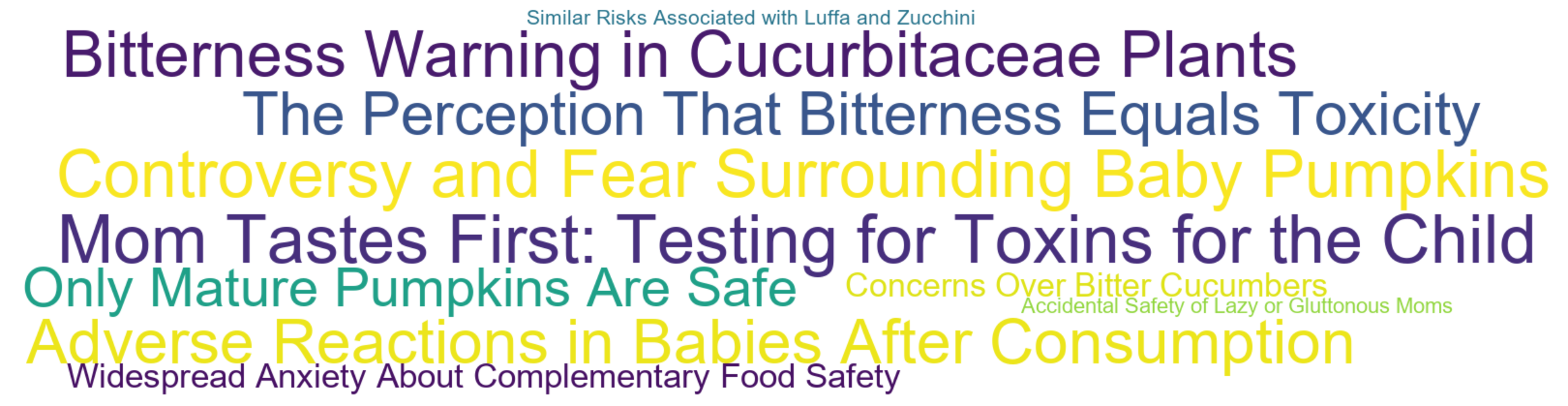
The comment section is less a debate and more a collective exhale of retrospective dread mixed with fierce protective resolve. There is a palpable sense of shock as parents reconcile their fondness for "Baby Pumpkins" with the invisible threat of cucurbitacin poisoning. The atmosphere is thick with the guilt of near-misses and the sorrow of past unexplained illnesses now recontextualized as potential toxicity. Yet, beneath the fear lies a powerful current of solidarity; the community is rapidly transforming individual anxiety into shared wisdom. The overwhelming mood is one of awakened vigilance, where the simple act of tasting is no longer taken for granted but revered as an essential, life-preserving ritual of modern parenthood.
Good Afternoon
As you navigate the afternoon and plan your evening meals, we at the yunpoly editorial team hope this insight brings both caution and comfort to your table. Thank you for trusting us with your time and for being part of a community that cares deeply about the well-being of its youngest members. May your kitchen be safe, your meals be nourishing, and your afternoon be peaceful.