The Hook
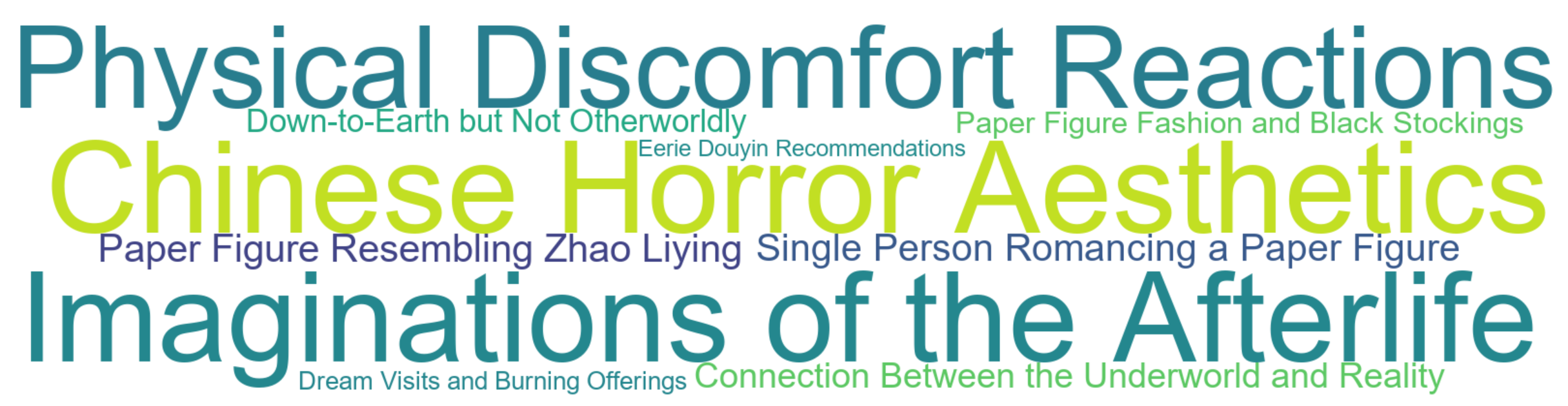
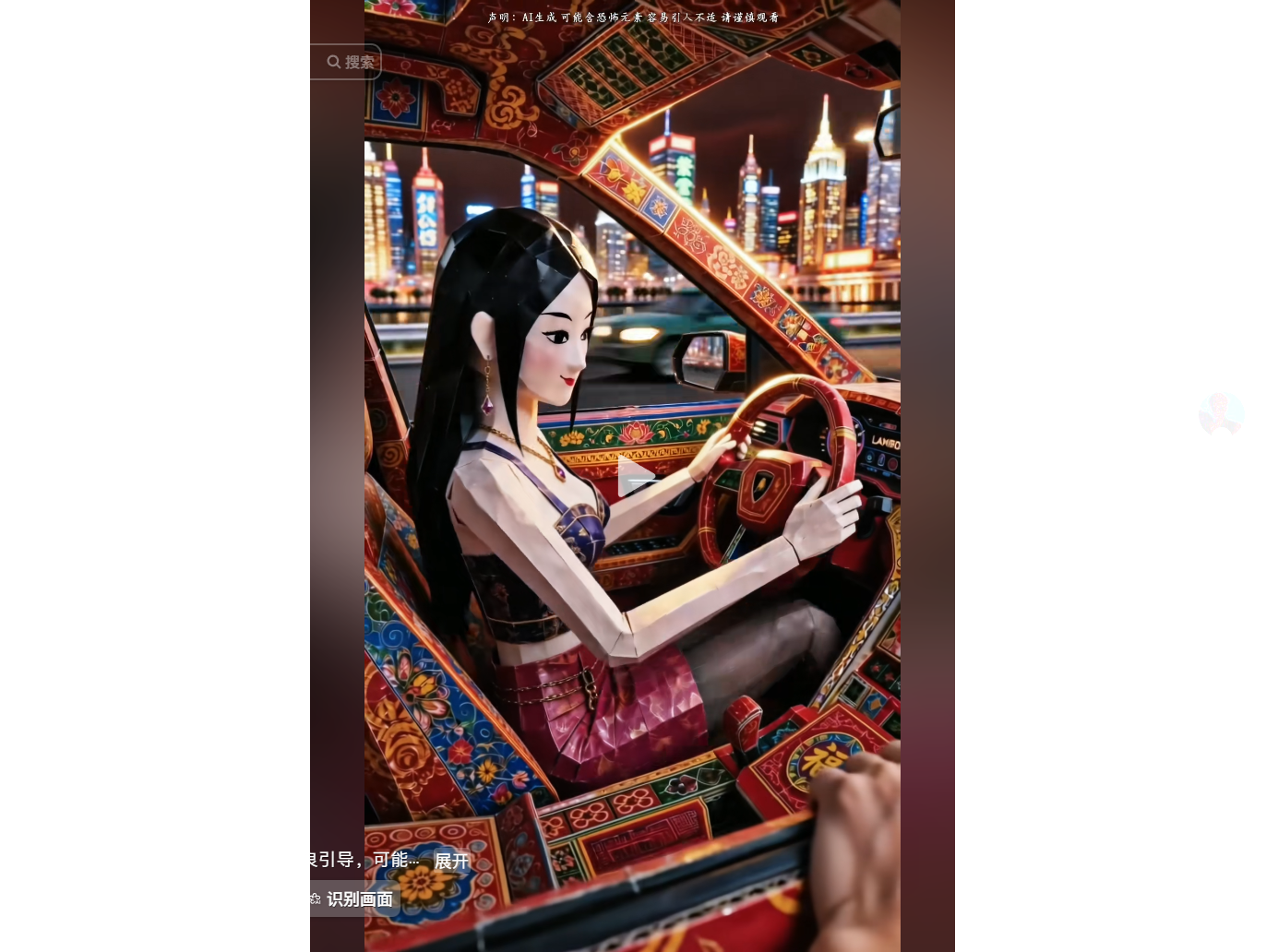
An AI-generated short film titled "Paper Revelry Tonight" has stunned audiences by surpassing traditional cinema in capturing Chinese-style horror. Blending dreamcore aesthetics with supernatural folklore, this surreal journey into a paper-mache underworld is triggering visceral physical reactions and profound existential debates online.
The Story
"Paper Revelry Tonight" is not merely a video; it is a digital séance constructed entirely by artificial intelligence. The film transports viewers into a hyper-realistic "Paper Nation," a dreamcore interpretation of the afterlife where the boundaries between the living and the dead dissolve in neon-lit ambiguity. The narrative follows a living protagonist wandering through a spectral night market, encountering paper effigies that move with an uncanny, fluid grace that defies their material origins.
Unlike conventional horror that relies on jump scares, this AI creation leverages the specific cultural texture of Chinese folklore—the rustle of joss paper, the flicker of candlelight, and the eerie familiarity of ancestral rituals. The visual fidelity is so precise that it evokes a sense of "uncanny valley" dread mixed with strange nostalgia. Viewers are not just watching a story; they are experiencing a simulated memory of a place they have never visited but somehow recognize. The AI has successfully synthesized the romantic melancholy of classical tales like *Strange Tales from a Chinese Studio* with modern technological unease, creating an atmosphere that feels less like fiction and more like a forbidden glimpse behind the veil. It is a testament to how machine learning can now replicate, and perhaps even amplify, the most intangible aspects of human cultural fear and longing.
The Voices
"I told you guys not to burn paper phones, don't..."
This comment encapsulates the unique intersection of modern technology and ancient superstition that defines the viewer experience. It humorously yet poignantly suggests that our digital habits are bleeding into spiritual rituals, implying that the afterlife is evolving alongside our own. The remark transforms the horror from a passive viewing experience into an active participation in cultural lore, where the act of burning offerings is recontextualized through the lens of smartphone addiction and connectivity.
"Chinese-style horror, yet romantic. If Pu Songling..."
Here, a viewer draws a direct lineage between AI generation and classical literature, elevating the discourse beyond mere technical appreciation. By